

That big crash in the yard usually comes with two questions right away: Is everyone safe, and who removes fallen trees? The answer depends on where the tree landed, what it hit, and whether there is still active danger from power lines, structural damage, or hanging limbs under tension. In some cases, it is a tree service. In others, it may be the utility company, the city, or your insurance carrier directing the next steps.
If you are standing on your property looking at a tree across a driveway, fence, roof, or pasture gate, the safest move is to slow down before anybody grabs a saw. Fallen trees are rarely simple. Weight shifts, cracked trunks, hidden tension, unstable root plates, and nearby electrical hazards can turn a cleanup job into an emergency fast.
Who removes fallen trees on private property?
Most of the time, a professional tree service removes fallen trees on private property. That includes trees that fall in a front yard, backyard, driveway, private road, ranch entrance, fence line, or on top of a home, garage, shed, or other structure. If the tree is on your land and there is no public utility involvement, the responsibility usually starts with the property owner.
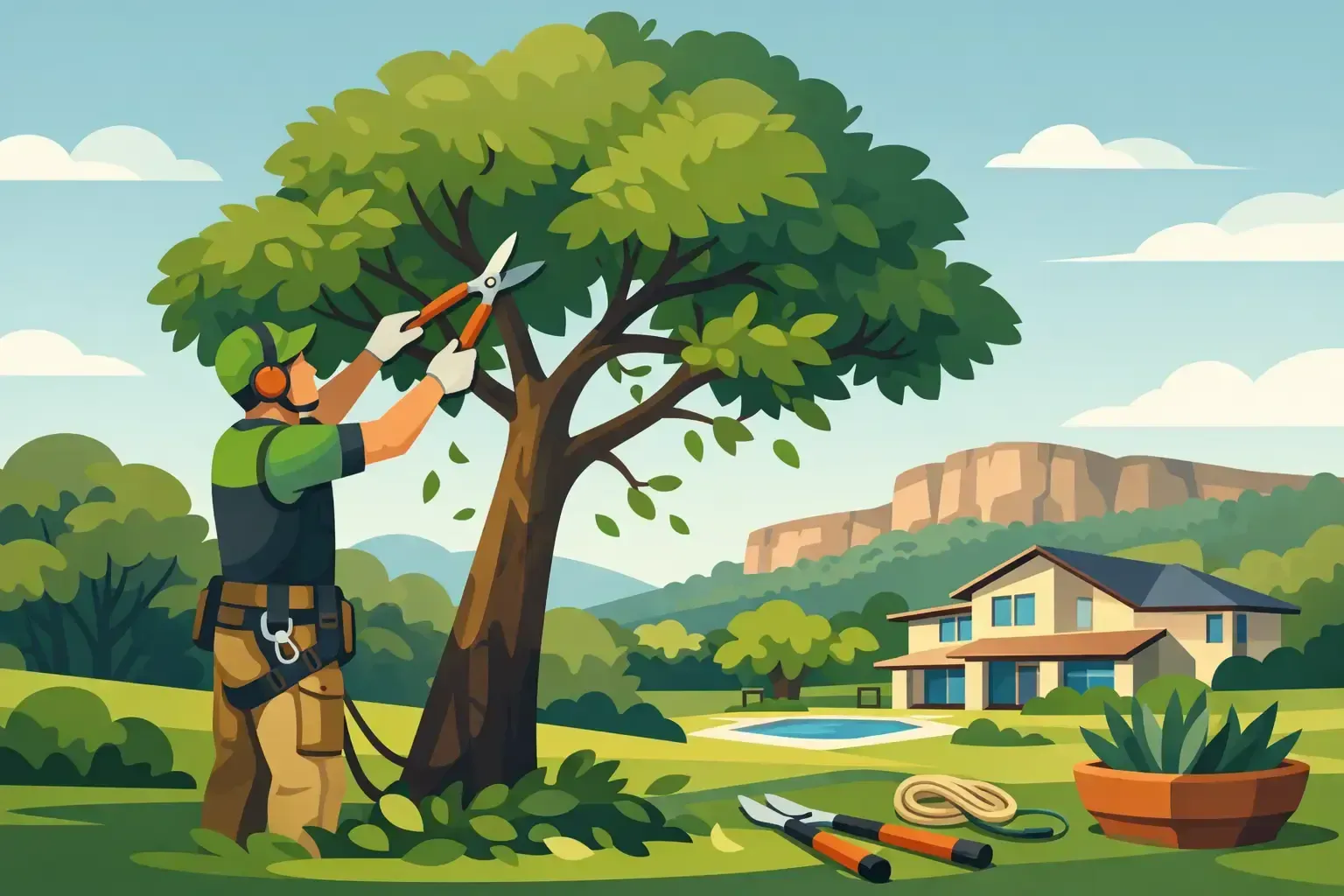
That said, not every tree service is built for storm work. Storm-damaged trees are a different animal than routine pruning or scheduled removals. The job often involves pressure points, compromised wood, heavy debris spread across a wide area, and the need to protect roofs, vehicles, septic areas, gates, and neighboring property while clearing the site.
This is where experience matters. A disciplined crew does not just cut until the pile gets smaller. They assess the load, sequence the work, control the release of pressure, and clean the property in a way that does not create a second problem.
When a utility company removes the fallen tree
If a tree is tangled in power lines, leaning into service lines, or blocking electrical infrastructure, call the utility company first. Do not touch the tree, the fence near it, or anything else that may be energized. Even if the line looks dead, treat it as live until the utility confirms otherwise.
In these cases, the utility company may remove part of the tree, de-energize the area, or make the site safe enough for a tree service to complete the rest. Their priority is restoring power and reducing immediate electrical danger, not necessarily performing full property cleanup. That is an important distinction. The utility may cut enough to access lines and leave the remaining wood and debris for the owner to handle.
If the fallen tree took down the power drop to your home but did not damage the main neighborhood lines, the utility company may handle only its portion of the system. You may still need a tree company and an electrician before service can be fully restored.
Who removes fallen trees from roads and public areas?
If a tree falls across a public road, city street, park, sidewalk, or other public right-of-way, the city, county, or state agency may be responsible for clearing it. The exact answer depends on where the tree is and which entity maintains that area.
For example, a tree blocking a neighborhood street may be addressed by local public works or road crews. A tree on private land that falls into the road can create a gray area, especially in rural parts of Central Texas. Sometimes public crews clear access first, then the property owner remains responsible for the rest of the tree on private land.
HOAs and commercial sites can have their own version of this. If the tree falls in a common area, private roadway, shared entrance, or managed greenbelt, the association or property manager may coordinate removal. If it starts on your lot and lands in a common area, responsibility may be shared or disputed. That is one of those it-depends situations where good documentation helps.
What if the tree fell on a house, fence, or car?
When a fallen tree hits a structure or vehicle, the cleanup side and the insurance side start overlapping. You will usually want to document the damage with photos, contact your insurer, and then arrange emergency mitigation and tree removal as needed.
If the tree is on your house, speed matters, but so does coordination. In many cases, the insurer wants to see the damage before major cleanup is complete, unless there is an immediate safety issue. Most carriers also expect homeowners to take reasonable steps to prevent further damage, such as emergency tarping or removing the section of tree that is actively worsening the situation.
Fence damage can be simpler, but not always. If your tree falls onto a shared fence with a neighbor, the question of who pays can depend on ownership, local rules, and whether the tree was healthy or obviously neglected before the storm. A healthy tree that fails in severe weather is often treated differently than a dead tree that should have been removed earlier.
If a tree lands on a car, auto insurance may come into play instead of homeowners insurance. The tree still needs to be removed safely, but the claim path may be different.
Who removes fallen trees if the tree came from a neighbor's yard?
This is where people expect a simple answer and usually do not get one. In many storm cases, each property owner is responsible for the damage on their own side, regardless of where the tree started. If your neighbor's healthy tree falls into your yard during a storm, your insurance may cover your damage, and you may be responsible for removal from your property.
If the tree was dead, visibly hazardous, or previously reported as unsafe, the conversation can change. Negligence matters. But proving that is not always quick or easy in the middle of a cleanup emergency.
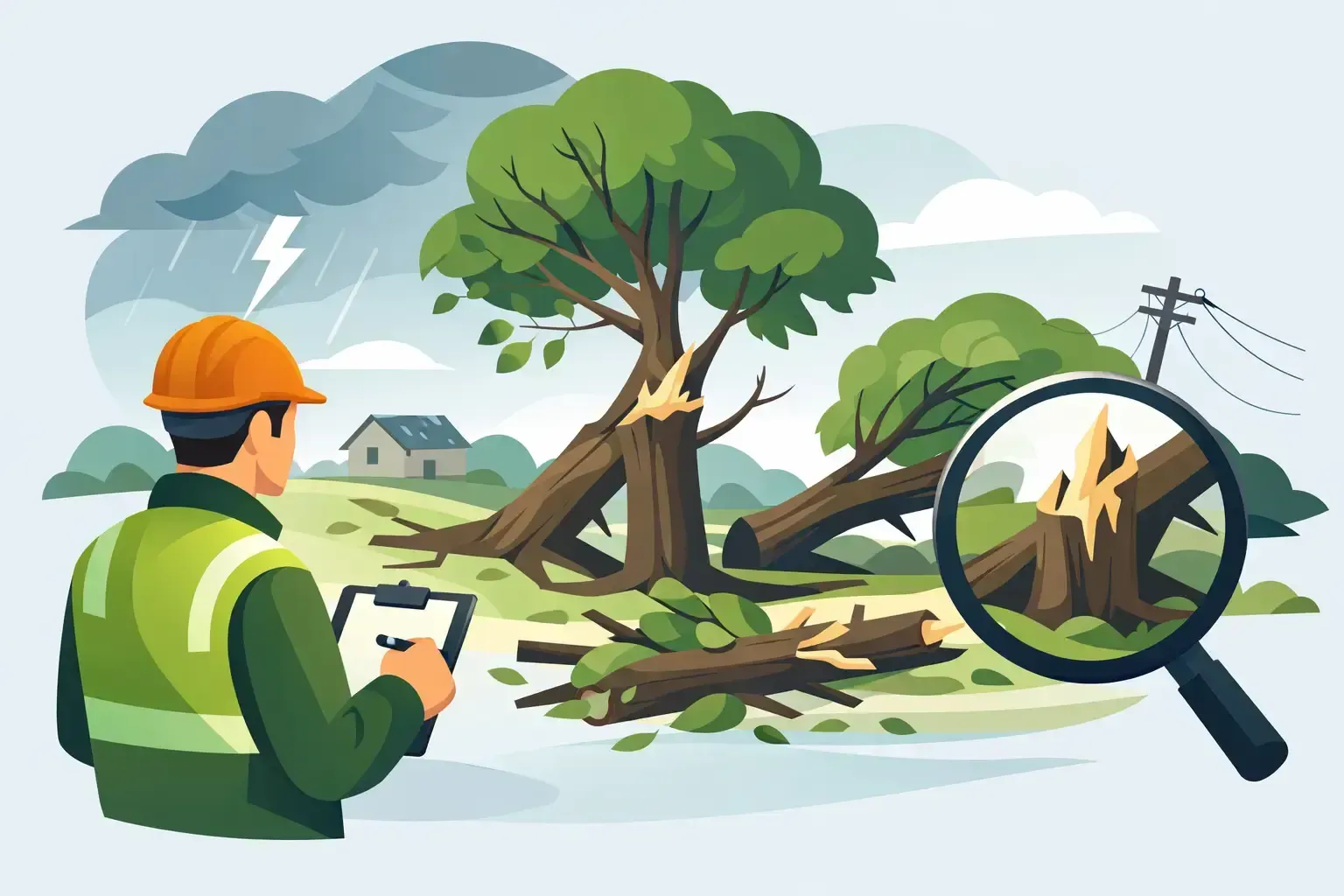
The best move is to stay calm, take photos, and avoid turning a storm mess into a neighborhood feud. A professional tree service can often help document what failed and what conditions were visible. That does not replace legal advice, but it can help establish whether this looked like storm failure, deferred maintenance, or a long-standing hazard.
How to know when it is an emergency tree removal
Some fallen trees can wait a day or two for scheduling. Others need immediate response. If the tree is on a home, blocking access, creating fire risk, damaging utilities, or leaving broken limbs suspended overhead, treat it as urgent.
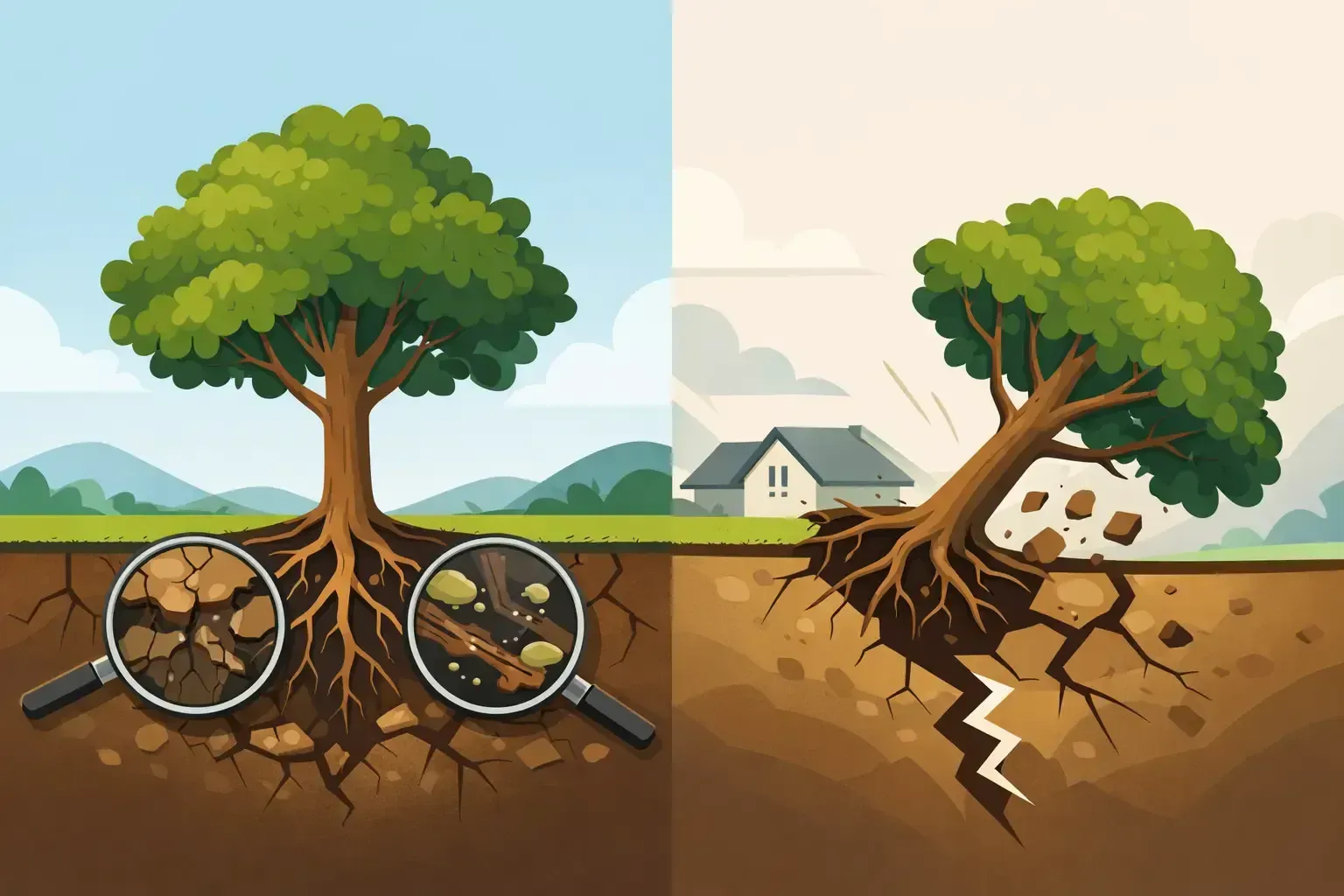
Tension-loaded wood is one of the biggest dangers people underestimate. A trunk pinned against a fence, a limb twisted under another stem, or a root ball partially lifted out of saturated soil can release hard and fast when cut the wrong way. That is why emergency tree removal
is not handyman work and definitely not a DIY weekend project.
A qualified crew should be able to assess site safety, identify what needs to happen first, communicate clearly about the plan, and remove the material without tearing up the rest of your property in the process.
What a good tree service should handle
When people ask who removes fallen trees, they are really asking who can take control of a messy, stressful situation without making it worse. That means more than showing up with saws and a trailer.
A solid tree service should be able to evaluate risk, protect nearby structures and surfaces, coordinate around access issues, and clean up thoroughly. If the storm damage is part of a larger property problem, they should also be able to talk with you about preventive trimming, deadwood removal, wildfire fuel reduction, and long-term tree health.
That last part matters more in Central Texas than many property owners realize. A fallen tree is often the visible problem, but overstocked canopies, drought stress, root competition, and unmanaged brush are what set the stage. If your property has repeated storm issues or heavy fuel buildup, cleanup should lead to a smarter plan, not just a cleared pile.
What to do before help arrives
First, keep people and pets away from the area. Second, do not move branches that may be holding weight unless you are absolutely certain there is no hazard. Third, take photos for insurance and documentation. Fourth, call the right party based on the danger - utility company for electrical hazards, emergency services if there is immediate life safety risk, and a qualified tree service for removal and site stabilization.
If you can do so safely, move vehicles away from the area and protect interior belongings if a roof has been damaged. Beyond that, let the pros do the heavy lifting. Precision matters most when the situation feels chaotic.
At Dynamo Dusty's Tree Service, this is exactly how we approach storm response: clear communication, disciplined execution, and cleanup that respects your property instead of roughing it up.
A fallen tree can make a property feel out of control in a hurry. The right team brings order back fast, handles the danger with skill, and leaves you with a safer, cleaner place to move forward from.