
Community Arboricultural Management and Planning for HOAs, MUDs, and Property Managers
Managing trees across a community is a different challenge than caring for a single property. Roads, common areas, trails, amenity zones, and hundreds of individual trees all compete for limited budgets and staff attention. Dynamo Dusty's Tree Service brings ISA Certified Arborist-led community arboricultural management and planning to HOAs, MUDs, property managers, and large landowners across Dripping Springs, Wimberley, Driftwood, Hays County, and the broader Texas Hill Country. We help boards and managers move from reactive fire-drills to structured, phased programs that protect residents, preserve valuable trees, and hold up to stakeholder scrutiny.
Why It Matters
HOA Tree Management Requires More Than a Pruning Crew
Community tree care works best as a plan, not a series of one-off decisions. Without clear priorities, hazards, preservation opportunities, budgets, and resident expectations can compete for attention. Dynamo Dusty's approaches HOA and community tree management as a planning problem first. Our team considers canopy health, structural risk, root zones, site conditions, and property use together. From that assessment we can build a written scope with priorities, sequencing, and budget-cycle options so decision-makers have a practical basis for board and stakeholder discussions. Work is recommended because the assessment supports it, not because every property needs the same program.
Our Approach
Structured Planning for Neighborhood Tree Care at Any Scale
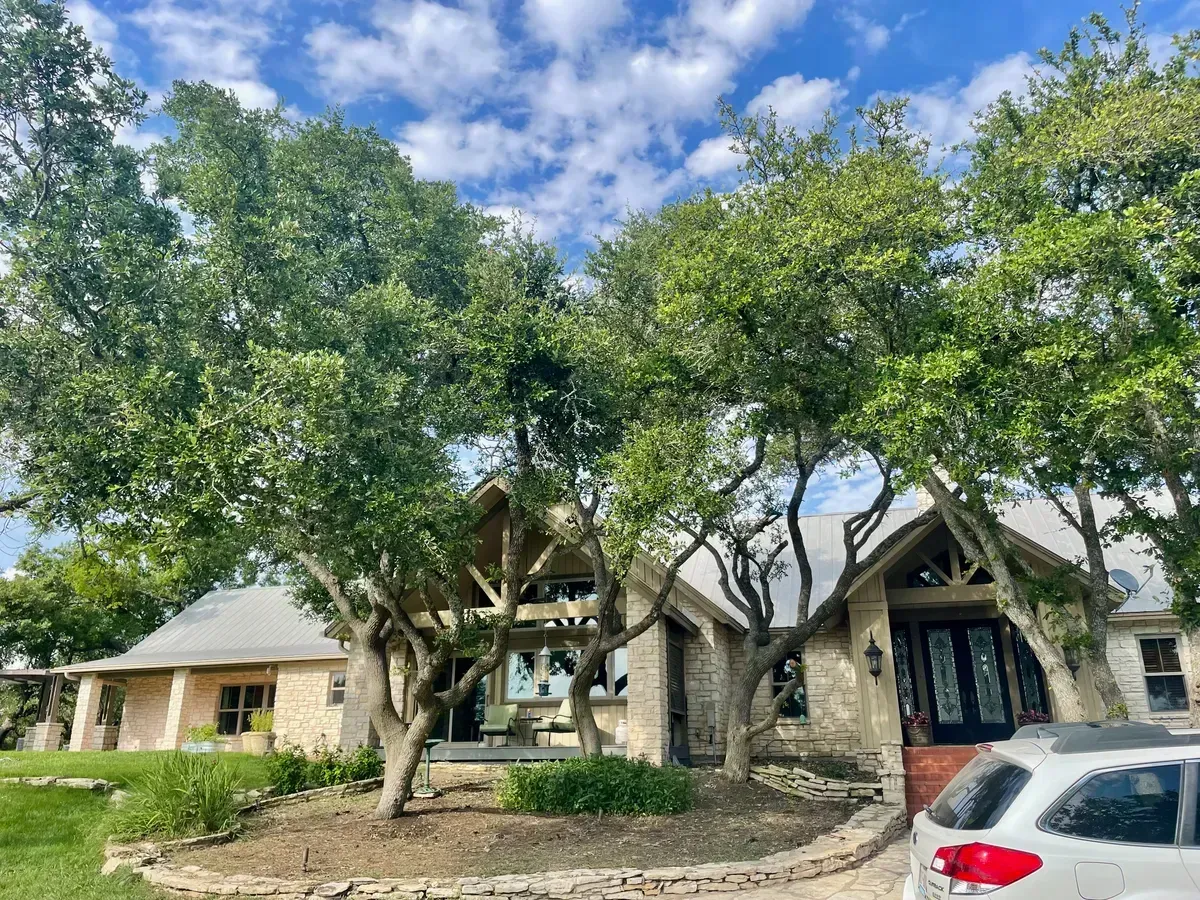
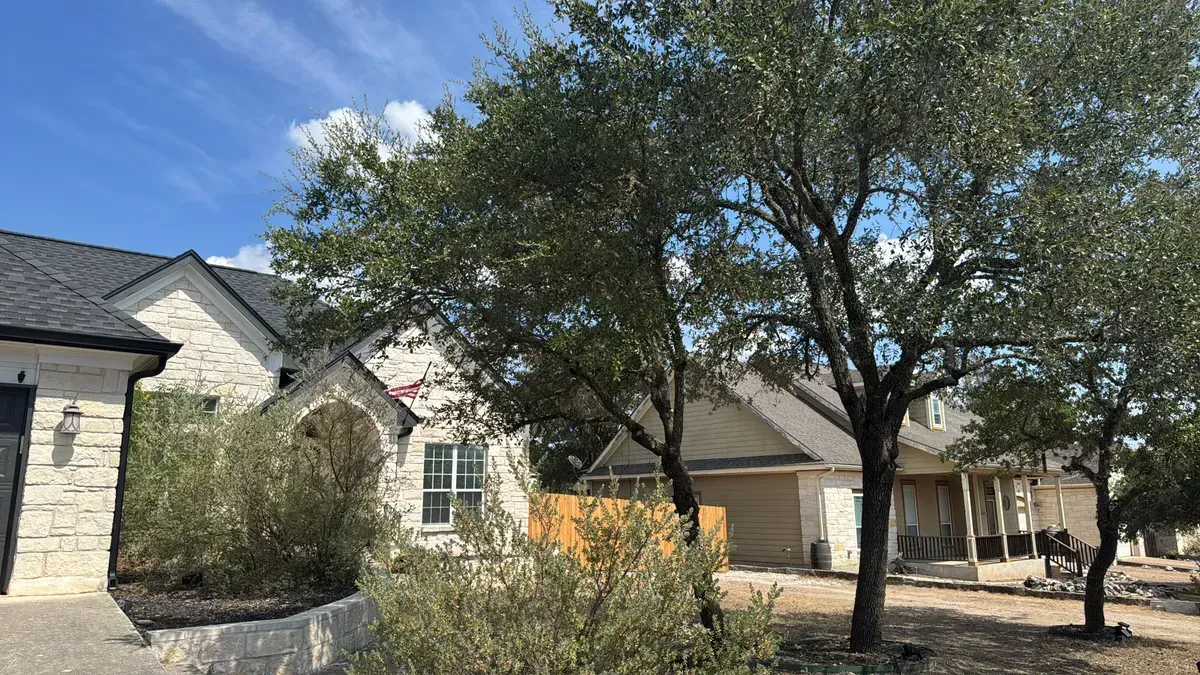
Effective neighborhood tree care starts with a thorough property walkthrough. We evaluate common-area trees, trees near roads and parking areas, trails, open space, and mature or valuable trees that may warrant preservation. We document conditions, identify higher-priority hazards, and distinguish trees that may benefit from pruning or monitoring from those that present a more serious risk. From there, we can build a phased work plan. Phasing can help HOAs, MUDs, and property managers address the highest-priority needs first, budget for later work across fiscal cycles, and communicate clearly with boards and residents about what is coming and why. Proposals are written to explain the recommendation, scope, and priorities in practical terms. Our ISA Certified Arborist leadership also means oak wilt, wildfire fuel management, and construction-related root damage can be considered when they are relevant to the property rather than treated as separate afterthoughts.
What Sets Us Apart
Arboricultural Credentials, Engineering Thinking, and Honest Recommendations
Dusty Drake holds an ISA Certified Arborist credential (TX-359957A), an ISA Texas Wildfire Risk Reduction qualification (TXWRRQ-262), and an ISA Texas Oak Wilt qualification (TOWQ-725), along with a BSME and MBA. That combination of arboricultural and engineering experience shapes how we approach community tree programs: assess the property, define priorities, document the reasoning, and plan work in a sequence that makes sense for the site and budget. Dynamo Dusty's is also veteran-owned, with a culture that emphasizes clear communication, accountability, mentorship, and professional development. Detailed scopes, property protection, and thorough cleanup are part of the same disciplined approach to larger and phased projects.
Common Questions
What Community Clients Ask Before Getting Started
Can a community tree program be phased across multiple budget cycles?
Yes, and for most HOAs, MUDs, and property managers, phasing is the practical approach. After a full property assessment, we produce a prioritized work plan that separates immediate hazards from lower-priority maintenance and longer-term preservation work. Each phase can be scoped and priced independently so that boards can approve work within a given budget year while knowing what is planned for subsequent cycles. This keeps the highest-risk trees addressed first without requiring a large single-season expenditure.
What does a community tree assessment actually include?
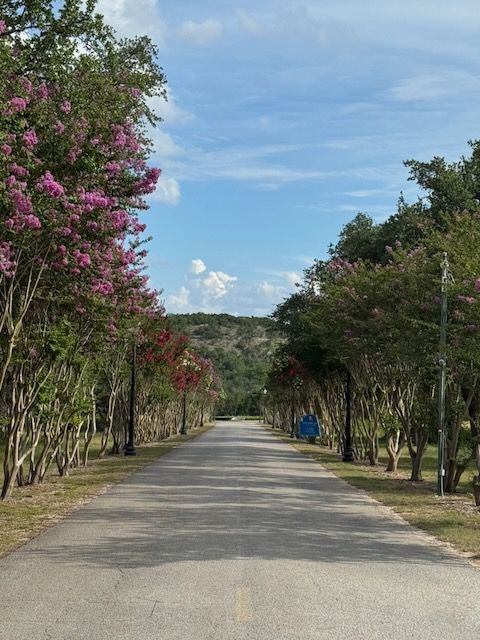
A community assessment can cover common areas, roads, trails, parking, and amenity zones while evaluating tree condition, canopy, roots, site use, structures, safety, and wildfire or oak wilt concerns where relevant. Depending on the scope, the output may include priorities, recommended actions, phased work, budgets, and board-facing rationale that help managers and boards plan what comes next.
How is arborist-led work different from hiring a standard tree trimming contractor?
A trimming contractor typically performs the work requested. An arborist-led program starts with an assessment of what the trees and the property actually need, then recommends work based on those findings. The difference matters for communities because hazards can be prioritized, healthy trees can be preserved where practical, and the work scope is easier to explain when a board member or resident asks why a particular tree was included. Dynamo Dusty's is an ISA Certified Arborist-led company, so arboricultural judgment informs the planning and recommendations for community work.
Does Dynamo Dusty's address oak wilt concerns in community settings?
Yes. Dusty Drake holds an ISA Texas Oak Wilt qualification, and oak wilt management is part of how we sequence and time community pruning and removal work. In Central Texas, pruning wounds on live oaks and red oaks during certain periods can increase transmission risk. We factor that into project scheduling and can advise boards and property managers on timing, wound treatment, and what to watch for in the community canopy. This is especially relevant in Dripping Springs, Wimberley, Driftwood, and other Hill Country communities where live oaks are a significant part of the landscape.
Can you provide documentation suitable for presenting to residents or stakeholders?
Yes. Community projects can include detailed proposals, assessment summaries, phased work plans, and plain-language rationale that boards, managers, residents, and other stakeholders can understand. The exact documentation depends on the project scope, but the goal is to make priorities and recommendations clear enough to support board decisions and communication.
How does wildfire risk factor into a community tree program in the Hill Country?
Wildfire fuel management is a meaningful part of community arboricultural planning in Central Texas. Dusty Drake holds an ISA Texas Wildfire Risk Reduction qualification, and our assessments consider ground fuels, ladder fuels, canopy separation, and defensible space around structures. A well-planned community tree program can meaningfully reduce fuel load and improve conditions around roads, structures, and common areas. This work is most relevant for communities in Dripping Springs, Wimberley, and other Hill Country areas with significant cedar and mixed brush.
What should a property manager do first when inheriting a community with deferred tree maintenance?
The most useful first step is a comprehensive property walkthrough with an ISA Certified Arborist. Deferred maintenance often means a mix of genuine hazards, trees that are declining but not yet dangerous, and trees that simply look untidy but are structurally sound. An assessment separates those categories so you can prioritize spending, document the current condition of the canopy, and begin building a forward-looking program. Starting with a clear picture of what exists prevents both overspending on unnecessary removals and missing real risks that could become liabilities.
What Our Clients Say