
Ranch and Estate Land Clearing / Selective Thinning in the Texas Hill Country
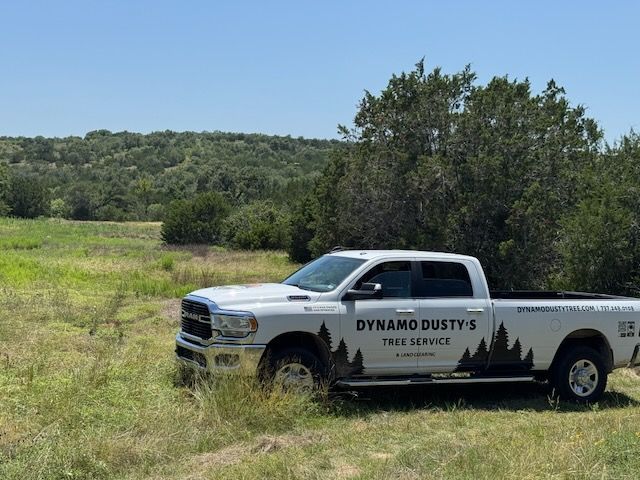
Whether you're improving ranch usability, reducing cedar and brush, opening fence lines or access routes, or selectively thinning acreage, Dynamo Dusty's Tree Service brings ISA Certified Arborist-led planning to land clearing across Dripping Springs, Driftwood, Wimberley, Hays County, and the surrounding Hill Country. Our approach is selective and preservation-minded, protecting desirable trees and the character of the land while clearing what no longer serves the property.
Our Approach
Acreage Clearing Services Built Around Your Property Goals
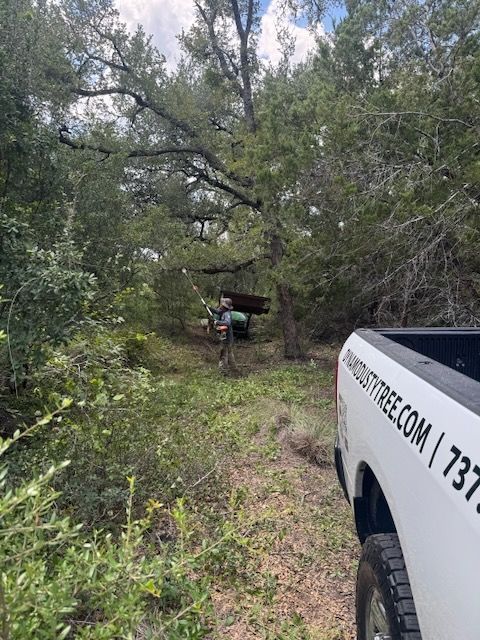
Not every acre needs the same treatment. Before equipment moves, we walk the property with you to understand your goals, identify trees and vegetation worth protecting, and develop a clear scope and method. That assessment shapes the equipment plan, clearing sequence, and access strategy so the work fits the land. Our acreage clearing work can include ranch and estate clearing, selective thinning, cedar and brush reduction, fence lines, access routes, sightline improvements, hand clearing, and forestry mulching when appropriate. We apply the same engineering-based planning that guides our complex tree work to larger clearing projects, with oak-wilt and wildfire considerations included when they are relevant to the property.
What We Do
Brush and Tree Removal, Selective Thinning, and Forestry Mulching
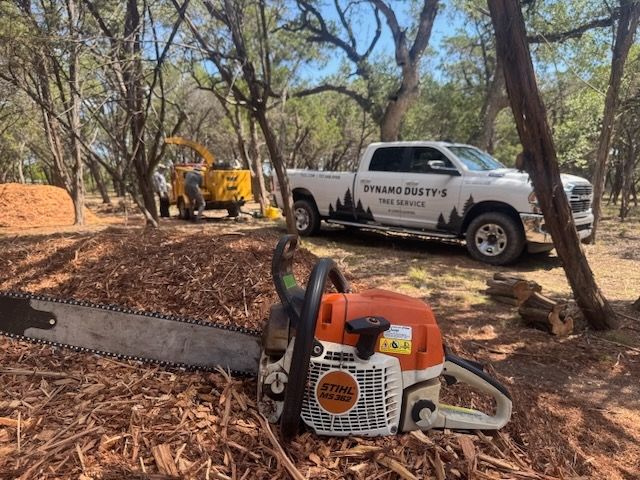
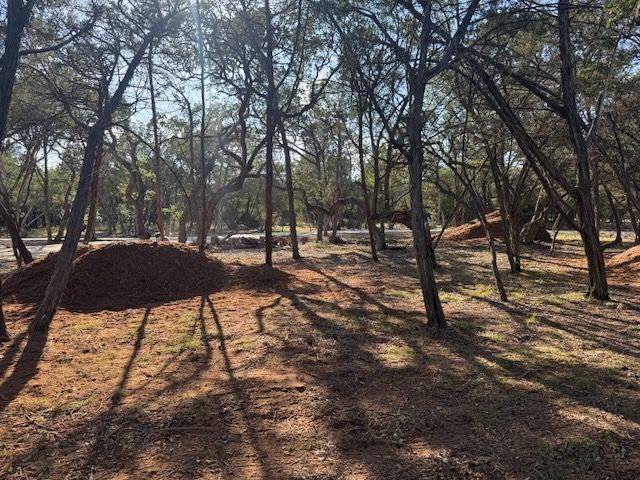
Brush and tree removal on larger properties requires more than chainsaws and a haul truck. Depending on the terrain, vegetation density, and intended use of the land, the right method might be selective hand clearing, forestry mulching, or a combination of both. We evaluate each situation and recommend the approach that accomplishes your goals while preserving the mature trees, native canopy, and landscape character that give Hill Country properties their value. Selective thinning is often the right answer for ranches and estates where the goal is improved usability, reduced wildfire fuel loads, or better visibility, not a cleared lot. We identify which trees and shrubs to keep, which to remove, and how to sequence the work so retained trees aren't stressed or damaged in the process. The result is a property that looks and functions better without losing what made it worth owning in the first place.
Large Properties and Phased Projects
Land Preparation for HOAs, Property Managers, and Large Landowners
Large-scale clearing can involve multiple stakeholders, phased budgets, and the need for clear documentation. We work with HOAs, MUDs, property managers, and large landowners across Hays County and the Hill Country when open space, trails, access, brush, or selective thinning need to be managed in practical phases. Detailed proposals can outline the method, sequence, equipment and access plan, and priorities for the work. That organization supports communication with boards, residents, landowners, or other stakeholders and helps phased projects maintain continuity over time. Property protection and cleanup are considered as part of the planned scope.
Common Questions
Land Clearing FAQs
Can you preserve specific trees while clearing the rest of a property?
Yes, and that's often the goal. Before clearing begins, an ISA Certified Arborist-led assessment helps identify trees worth protecting for shade, landscape character, or long-term property value. We build the clearing plan around those trees, managing equipment access and root-zone protection so they are considered throughout the project. If you're preparing land for construction, that work is handled through the construction clearing and site-planning process so retained trees and the build footprint can be considered together.What is the difference between selective thinning and full land clearing?
Full clearing removes most or all vegetation from a defined area, while selective thinning removes specific trees, shrubs, and brush while preserving desirable trees and the character of the land. For ranches, estates, and acreage improvement, selective thinning is often the better fit when the goal is improved access, usability, or wildfire fuel reduction without stripping the property. Construction-specific clearing is handled separately with site planning and retained-tree protection in mind.What is forestry mulching and when does it make sense?
Forestry mulching uses a specialized machine to grind trees, brush, and vegetation into mulch in place, eliminating the need to haul material off site. It works well on larger acreage where speed and ground cover retention matter. It's not always the right tool, though. Terrain, soil conditions, vegetation density, and what you plan to do with the land afterward all factor into the decision. We evaluate each project individually and recommend the method, or combination of methods, that best fits the site and your goals.How do you manage oak wilt risk during clearing and tree removal?
Oak wilt is a serious concern in Central Texas, and fresh wounds on oak trees during high-risk periods can create an entry point for the fungus. We factor oak wilt exposure into our planning from the start, including the timing of cuts and the treatment of fresh wounds when necessary. If your property has live oaks or other oak species, we'll discuss the risk and how we manage it as part of the walkthrough and proposal process.Can a large clearing project be split into phases across multiple budget cycles?
Yes. We regularly work with HOAs, MUDs, property managers, and large landowners on phased projects. We develop a detailed proposal that outlines the full scope, then identify logical phases that can be prioritized and budgeted separately without losing continuity. That approach makes it easier to manage costs, communicate the plan to boards or stakeholders, and keep the project moving even when the full budget isn't available upfront.Do you handle clearing for wildfire risk reduction as well as development?
Yes. Reducing ground fuels, ladder fuels, and canopy density is a common goal on Hill Country properties, and it often overlaps with general clearing and thinning work. Dynamo Dusty's is led by an ISA Texas Wildfire Risk Reduction Qualified arborist, so fuel management considerations inform how these projects are assessed and planned. The goal is to improve defensible conditions without stripping the property of the trees and vegetation that give it value. Thoughtful clearing and thinning can reduce risk, though no treatment eliminates it entirely.Which areas of the Texas Hill Country does Dynamo Dusty's serve for land clearing?
Our primary service area for land clearing and acreage work includes Dripping Springs, Driftwood, Wimberley, and Hays County, along with surrounding Hill Country communities. We also serve Buda, Kyle, Johnson City, Woodcreek, and parts of Southwest Austin depending on project fit. If you're unsure whether your property falls within our range, reach out and we'll let you know. The best first step is scheduling a complimentary property walkthrough.
What Clients Say