
Tree Preservation During Construction: Site Planning That Protects What Matters
Construction changes a site quickly, and tree damage is not always obvious when the work is finished. Root-zone disturbance, soil compaction, grade changes, equipment access, and construction sequencing can affect mature trees during and after a project. Dynamo Dusty's Tree Service brings ISA Certified Arborist-led construction tree preservation and site planning to Central Texas properties, helping builders, developers, property managers, and landowners protect valuable trees before ground breaks and while work is underway.
Why It Matters Before You Build
Construction Damage to Trees Often Shows Up Years Too Late
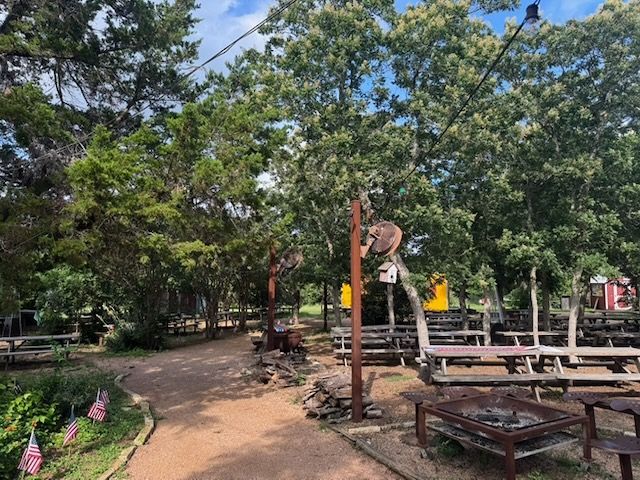
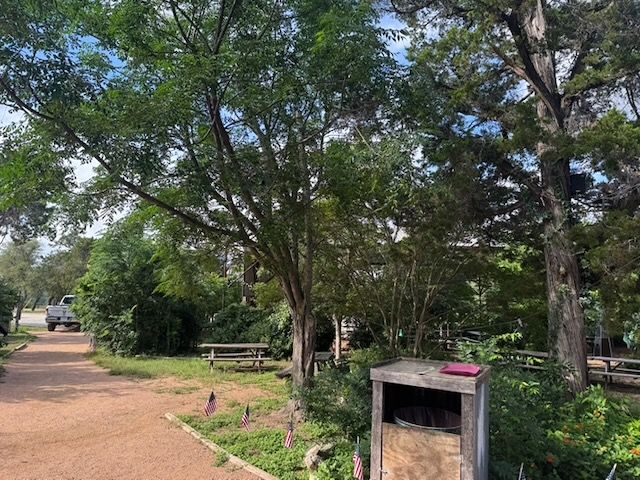
Construction-related root and soil damage can take years to become obvious in a tree's canopy. Compaction, grade changes, root-zone disturbance, and poorly planned access can all affect long-term tree health even when the trunk itself is untouched. Tree preservation planning addresses those risks before construction begins. That means assessing the site, identifying trees worth retaining, considering root zones and construction limits, and defining protection measures that the project team can follow. Protection may include fencing, equipment-exclusion areas, sequencing guidance, and other steps that reduce avoidable impacts to retained trees. For properties in Dripping Springs, Driftwood, Wimberley, and across Hays County, mature and heritage trees can represent significant shade, landscape character, and long-term value. Early planning gives the project team a better chance to protect that value while still meeting construction needs.
What Arborist Site Planning Includes
A Methodical Process, Not a Walk-Around Opinion
Effective development tree management starts with a thorough site assessment. Dusty Drake holds a Bachelor of Science in Mechanical Engineering, an MBA, and ISA Certified Arborist credentials, bringing both arboricultural knowledge and structured planning to construction decisions. Depending on the project, site planning may include tree surveys or condition assessments, blueprint and site-plan review, building or improvement placement, root-zone protection, soil-compaction risk, construction fencing and sequencing, tree-permit guidance where applicable, and preservation recommendations for retained trees. Post-construction monitoring may also be appropriate when the work has affected sensitive root zones or site conditions. This process can support builders, developers, commercial stakeholders, property managers, and large landowners working on construction or phased site improvements across the Texas Hill Country.
Who This Service Is Built For
Builders, Property Managers, Developers, and Large Landowners
Construction tree preservation is useful for custom home builders, developers, commercial project teams, property managers, HOAs, MUDs, and large landowners working around established trees. Depending on the project, they may need plan review, tree surveys, root-zone protection, construction fencing, sequencing guidance, or a phased preservation strategy. The value of early arborist involvement is clearer planning around which trees can be retained, where construction may create avoidable risk, and how protection measures fit into the broader project sequence. Dynamo Dusty's Tree Service is veteran-owned and ISA Certified Arborist-led, with Texas Oak Wilt and Texas Wildfire Risk Reduction qualifications supporting work across Dripping Springs, Driftwood, Wimberley, Hays County, and surrounding communities. Contact us at 737-248-0108 or sales@dynamodustytree.com to schedule a property walkthrough before your next project begins.
Common Questions
What Property Owners and Builders Ask About Tree Preservation During Construction
How does construction damage tree roots even when the trunk looks untouched?
Tree roots extend well beyond the trunk and visible canopy. Equipment driving over the root zone can compact soil, while trenching for utilities, grading, and soil stockpiling can damage or bury roots without touching the trunk. The tree may not show visible decline until years after construction, which is why early site assessment and root-zone protection matter before equipment arrives.When in a project should an arborist be brought in?
The earlier the better, and ideally before site plans are finalized. Arborist involvement during the planning phase allows tree protection zones to be incorporated into the layout rather than worked around after the fact. A small adjustment to a driveway alignment, staging area, or grading limit during design is far less costly than trying to retrofit protection for a tree that has already been compromised. For projects in the Texas Hill Country, where mature live oaks and other natives have significant long-term value, early arborist site planning is one of the most practical investments a builder or landowner can make.What does a tree protection zone involve on a job site?
A tree protection zone is a defined area around a tree, typically calculated from the trunk diameter, where soil disturbance, equipment operation, and material storage are restricted. In practice this means physical fencing placed at or beyond the critical root zone, clear communication to contractors about what activities are excluded from that area, and sometimes additional measures such as temporary surface protection for roots in high-traffic zones. The specifications are based on the individual tree's root zone extent, species, and condition, not a generic radius applied to every tree on the property.Can pruning help a tree survive a nearby construction project?
In some cases, yes. Structural pruning before construction can remove dead, weak, or poorly attached branches that could fail under the added stress of root disturbance or altered site conditions. It can also clear branches that would otherwise be damaged by equipment movement. However, pruning is not a substitute for root zone protection, and over-pruning a stressed tree can make things worse. An ISA Certified Arborist can assess whether pre-construction pruning is genuinely beneficial for a specific tree and specify what work is appropriate, rather than applying a standard treatment across the site.Does oak wilt change how tree protection is handled on Central Texas construction sites?
Yes. Oak wilt is an important consideration on Central Texas construction sites, especially when work may wound oaks or disturb roots. An arborist-led site plan can account for oak wilt risk when scheduling necessary pruning or root work, planning protection measures, and determining how retained oaks should be handled during construction. This is one reason local arboricultural knowledge matters on Hill Country construction sites, not just general tree care practice.How is tree preservation planning different from a standard tree survey?
A tree survey typically inventories what is on a property, recording species, size, and sometimes basic condition. Tree preservation planning goes further by evaluating each tree's survivability given the specific construction scope, mapping root zones against proposed disturbance areas, and producing actionable specifications for protection measures and contractor guidance. The goal is not just documentation but a practical plan the construction team can follow. For projects in Dripping Springs, Wimberley, Hays County, and surrounding areas, Dynamo Dusty's provides this integrated assessment rather than a standalone inventory.Can tree preservation work be structured across multiple construction phases?
Yes. For larger properties, HOA communities, MUD districts, or multi-phase commercial developments, tree preservation planning can be structured to align with construction phases and budget cycles. Each phase can receive its own assessment, protection specifications, and coordination support, with the overall property context kept in view. This approach allows property managers, developers, and community boards to manage scope and cost across multiple seasons without losing continuity in the arboricultural guidance. Dynamo Dusty's has experience supporting phased, multi-stakeholder projects across Central Texas.Which areas does Dynamo Dusty's serve for construction tree preservation work?
The primary service area covers Dripping Springs, Driftwood, Wimberley, and Hays County, with service also available in Buda, Kyle, Johnson City, Woodcreek, Southwest Austin, and surrounding Texas Hill Country communities. If you are unsure whether your project location falls within the service area, call 737-248-0108 or email sales@dynamodustytree.com to discuss your project and confirm availability.

What Clients Say