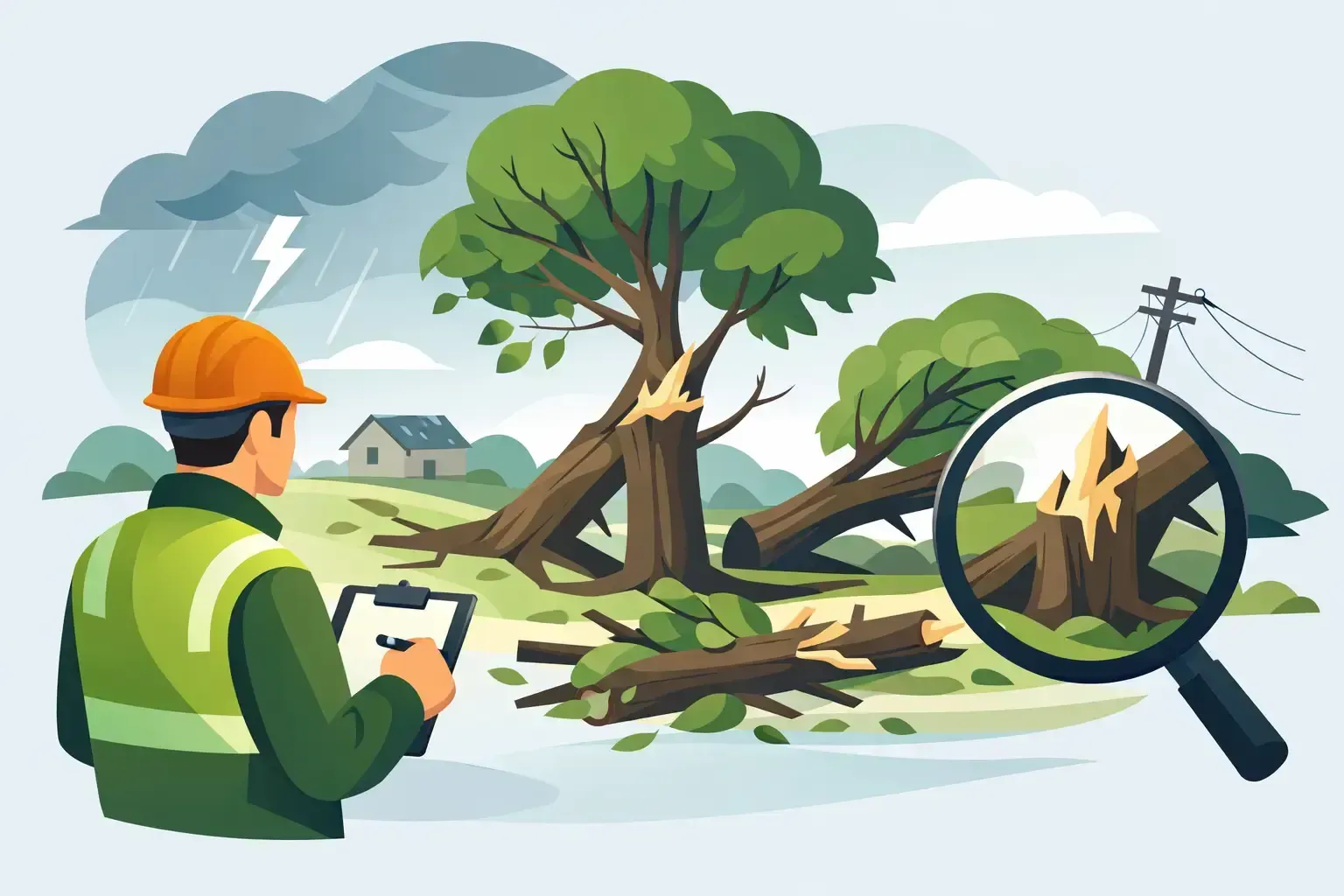


The morning after a Texas storm can turn a good-looking property into a hazard zone fast. Limbs are down, brush is scattered, fences are blocked, and what looked manageable at first starts feeling bigger by the hour. That is where professional storm debris cleanup services make a real difference - not just by hauling off the mess, but by restoring safety, access, and peace of mind.
For homeowners, ranch owners, HOAs, and commercial property managers, storm cleanup is rarely just a cosmetic job. Debris can hide cracked limbs still hanging overhead, block drainage, damage turf, stress remaining trees, and create extra wildfire fuel once everything dries out. A fast response matters, but so does having a crew that knows the difference between simple cleanup and a property that needs a more disciplined plan.
What storm debris cleanup services should actually include
A lot of people hear the phrase and picture a truck, a trailer, and somebody dragging branches to the curb. Sometimes that is enough. Often, it is not.
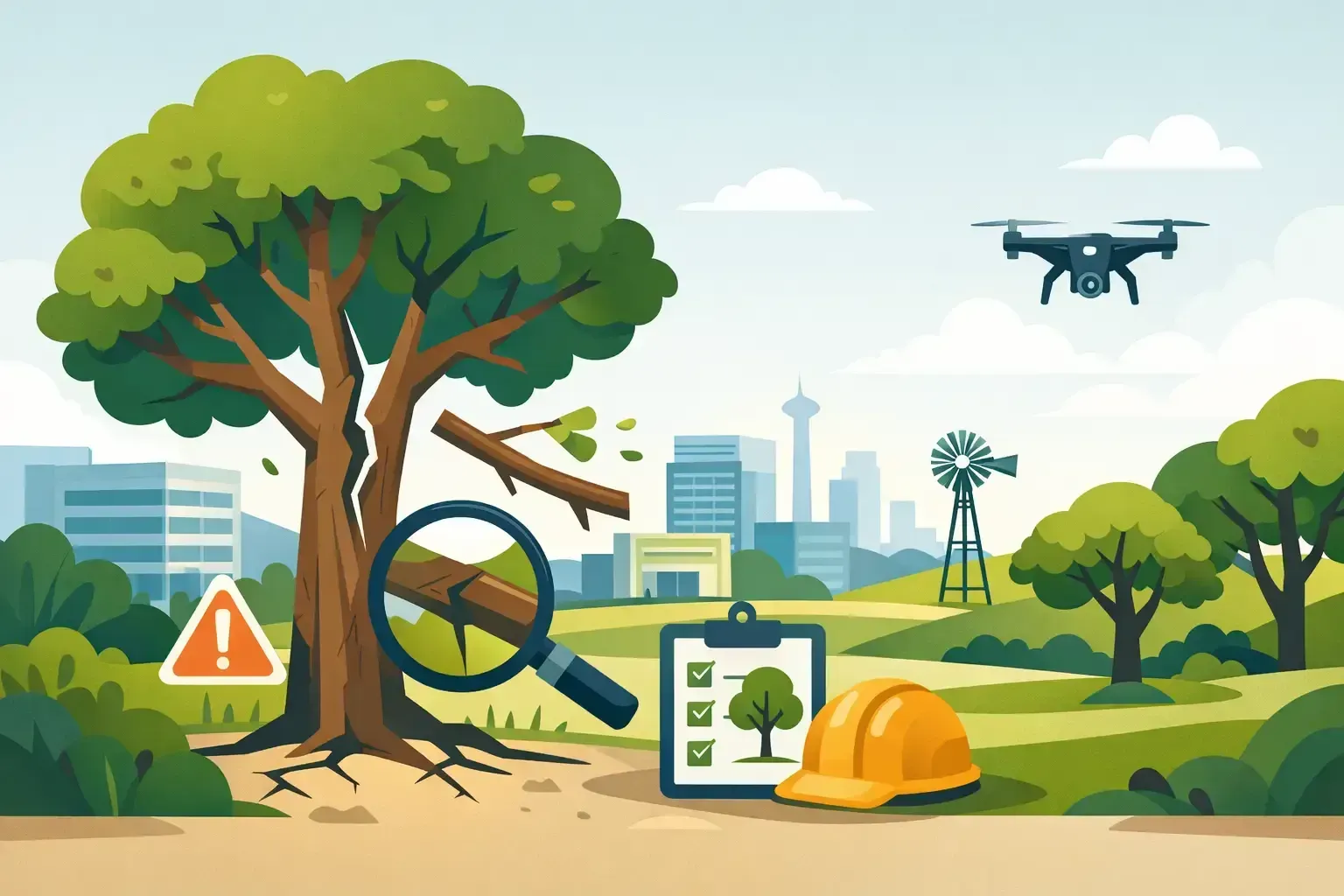
Good storm debris cleanup services start with assessment. Before any material gets moved, the crew should look at what fell, what shifted, what is still under tension, and what parts of the property are now at risk. A split limb caught in a neighboring canopy, a root plate lifting near a driveway, or a pile of storm scatter near a structure all call for different handling.
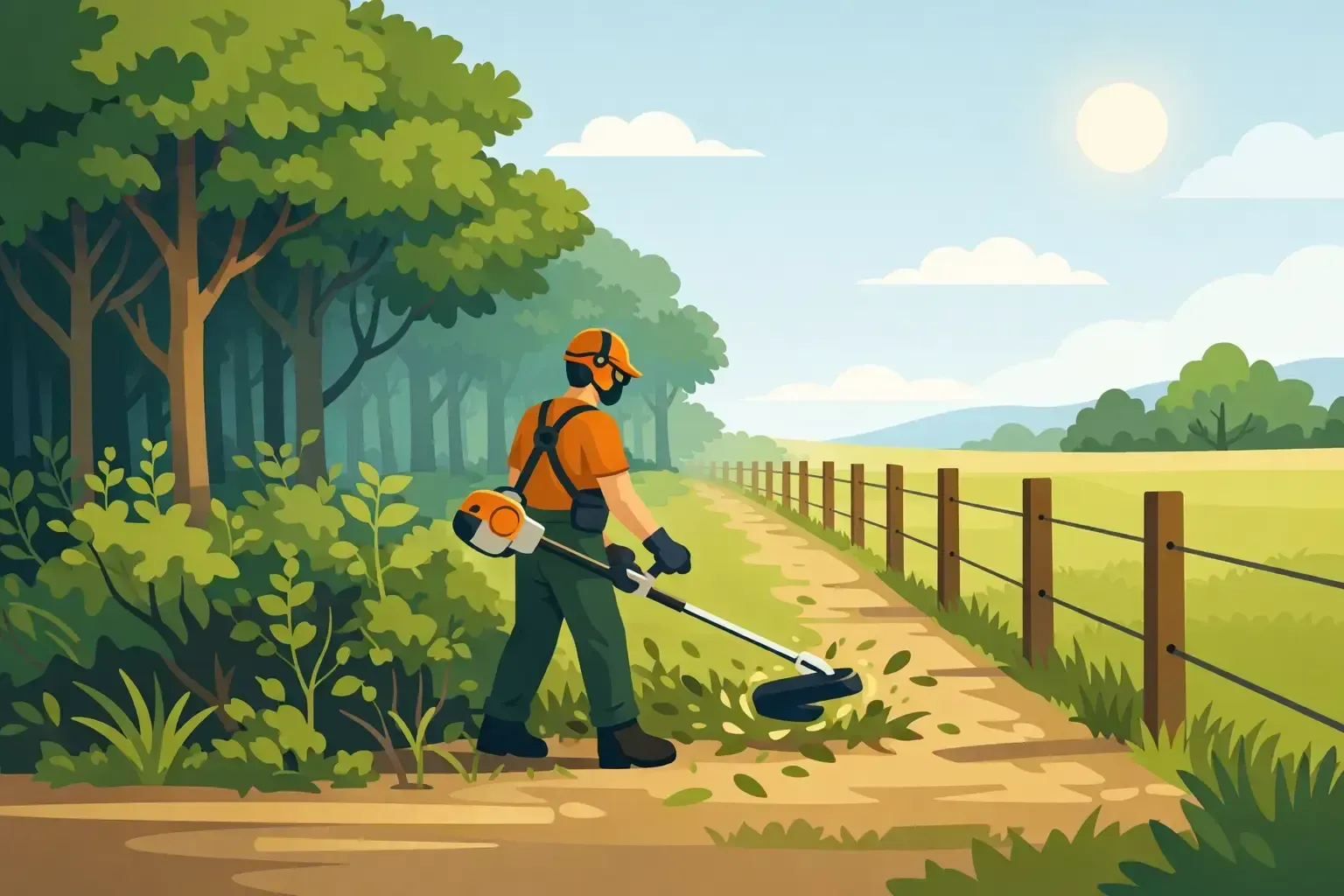
From there, the work usually includes removing fallen limbs, clearing broken brush, cutting and stacking or hauling material, opening access routes, and cleaning the site so the property is functional again. On larger lots or ranch properties, it may also involve clearing fence lines, trails, gates, and utility access points. In neighborhoods and managed communities, it often means making streetscapes, common areas, and sidewalks safe again as quickly as possible.
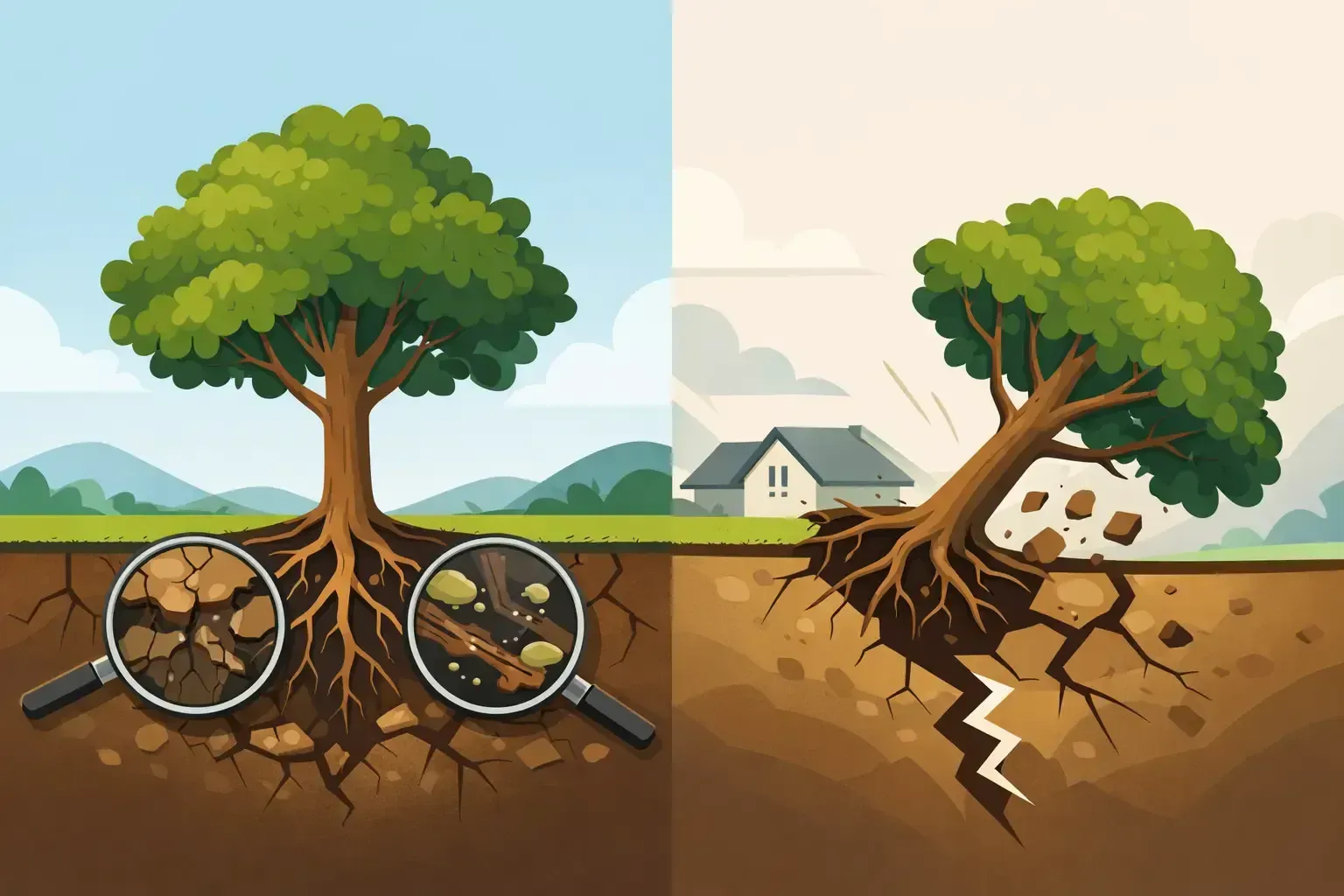
The best crews do not stop at surface cleanup. They also identify what the storm exposed. Sometimes the debris on the ground is only half the problem. The bigger issue may be a damaged tree with a compromised structure, deadwood that was already overdue for pruning, or dense brush that turned one storm event into a much larger cleanup bill.
Fast cleanup matters, but smart cleanup matters more
After a storm, everyone wants speed. That makes sense. Piles of debris are ugly, dangerous, and disruptive. But speed without judgment can create a second round of problems.
Moving debris too quickly without checking overhead hazards can put people and property at risk. Driving heavy equipment over saturated soil can damage root zones, irrigation, or drainage patterns. Cutting apart large storm-fallen material without understanding pressure points can turn cleanup into a safety event.
This is why experienced tree and land crews tend to outperform general haul-off crews after severe weather. Storm response is not just labor. It is hazard recognition, work sequencing, equipment control, and property protection. In Central Texas, where storms can leave behind a mix of live oak limbs, cedar brush, and scattered materials across rocky slopes or oversized lots, that experience shows up in the final result.
A disciplined cleanup plan also saves money over time. It is easy to focus on the visible mess and miss the leftover risks. If broken material gets removed but damaged trees are left untreated, the next wind event may finish what this one started.
Storm debris cleanup services for different property types
Not every property needs the same response, and that is one reason storm cleanup pricing can vary.
A suburban homeowner may need driveway access restored, hanging limbs addressed, and a full haul-off so the yard is safe for kids and pets. A ranch owner may need interior roads reopened, fence lines cleared, and brush piles reduced before they dry into wildfire fuel. HOAs and commercial sites often need a more coordinated response with visible cleanup in public-facing areas first, then deeper work in greenbelts, detention zones, and perimeter lines.
Large properties especially benefit from a phased approach. If the debris field is extensive, the first priority is usually safety and access. After that comes complete removal, then corrective pruning, tree risk review, and vegetation management. Trying to do it all at once is not always the best move. Sometimes it is. Sometimes it makes more sense to stabilize the property first and finish the rest under a more deliberate scope.
That is where clear communication matters. Property owners should know what is urgent, what is recommended, and what can wait a few days without making the situation worse.
When cleanup becomes wildfire risk reduction
This is a big one in Central Texas. Storm debris does not stay harmless for long.
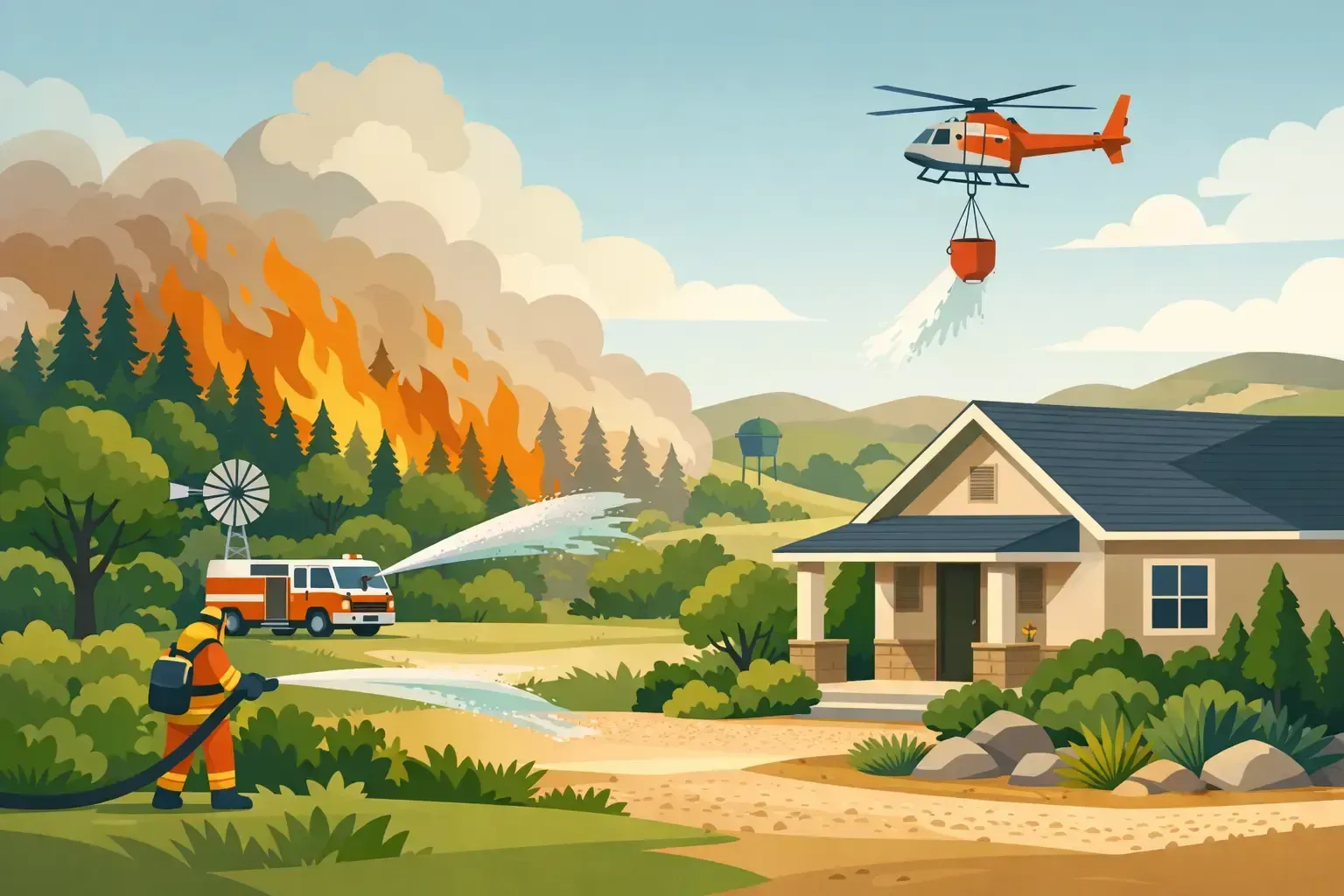
Once the green material starts drying, downed limbs, shredded cedar, and brush piles can add a lot of fuel to a property. If your land already has dense vegetation, one storm can increase wildfire exposure in a hurry. That is why storm debris cleanup services should not be treated as separate from broader land management, especially on acreage, rural homesites, and properties near unmanaged vegetation.
In some cases, cleanup is the perfect moment to improve defensible space, reduce ladder fuels, and thin problem areas that were already overdue. That does not mean every storm cleanup needs to become a major mitigation project. It does mean a qualified crew should be able to tell you when a basic cleanup is enough and when the storm revealed a bigger fire-preparedness issue.
For property owners who want elite results, this kind of guidance matters. The goal is not just to make the place look clean by the weekend. The goal is to leave the property safer, more usable, and better prepared for the next round of weather.
How to tell if you need professional storm debris cleanup services
Some debris is small enough for a homeowner to handle. Some absolutely is not.
If limbs are suspended, split, tangled, or resting on structures, it is time to call a professional. The same goes for blocked roadways, damaged trees near driveways or homes, scattered debris across large acreage, or any cleanup that requires equipment and coordinated removal. Even a pile that looks simple can contain hidden tension, sharp break points, or unstable footing.
Volume matters too. A few branches in the yard are one thing. Multiple piles across a lot, fence line damage, blocked drainage, and debris near utility areas are another. At that point, what you need is not a pickup load. You need a system.
A good crew should be able to walk the property, explain the hazards in plain language, outline the scope clearly, and tell you how the work will be staged. If the explanation feels vague or rushed, that is usually a warning sign.
What a high-quality cleanup crew does differently
The difference is usually obvious by the end of the day. Professional crews do not just remove what is easy to grab. They organize the work, protect the site, and leave visible improvement behind.
That starts with showing up ready. The right equipment, enough manpower, and a practical plan all matter. So does cleanup discipline. A premium service should not leave behind random brush scatter, torn-up ground, or a half-finished result that creates more work for the owner.
It also shows up in communication. After storms, people are stressed. They want a straight answer, fair pricing, and a crew that does what it says it will do. That sounds basic, but in this industry, it stands out.
Dynamo Dusty's Tree Service has built its reputation around that kind of disciplined execution - veteran-led, arborist-guided, and focused on getting properties safe, sharp, and back in service without the usual guesswork.
After the debris is gone, ask the next question
Once the property is cleared, the smartest move is to ask why the damage happened the way it did. Some storm failures are unavoidable. Others are warnings.
Overextended limbs, dense canopies, deadwood, weak branch attachments, brush buildup, and neglected tree health all increase the odds of bigger storm messes. Cleanup solves the immediate problem. Prevention reduces the next one.
That may mean selective pruning, brush management, tree health work, or a broader risk-reduction plan for the property. It depends on the site, the species, and how the land is used. But if a storm just showed you your weak points, that is useful information. The best time to fix them is before the next forecast turns serious.
A clean property after a storm feels good. A safer, stronger property heading into the next season feels even better.