
Texas Wildfire Trends Every Landowner Should Watch
August 30, 2026
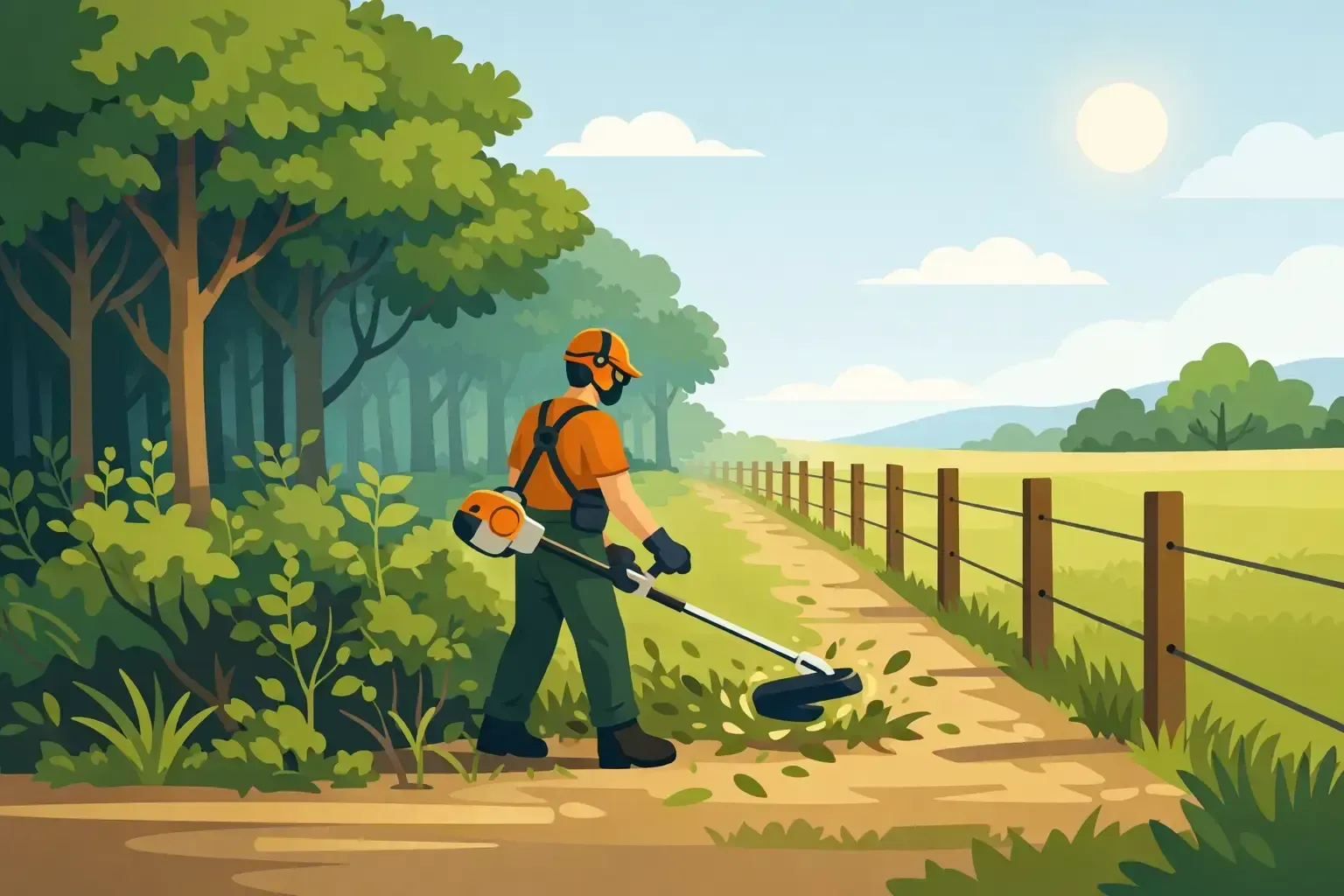
A hot, windy afternoon can turn a forgotten brush pile, a crowded cedar stand, or low limbs near a structure into more than a property-maintenance issue. Texas wildfire trends are putting that reality in sharper focus for homeowners, ranch owners, HOAs, and commercial properties across Central Texas. The goal is not to strip a property bare. It is to manage vegetation with purpose, protect the trees worth keeping, and reduce the paths fire can use to reach people, buildings, and critical infrastructure.
Why Texas Wildfire Trends Matter to Central Texas Properties
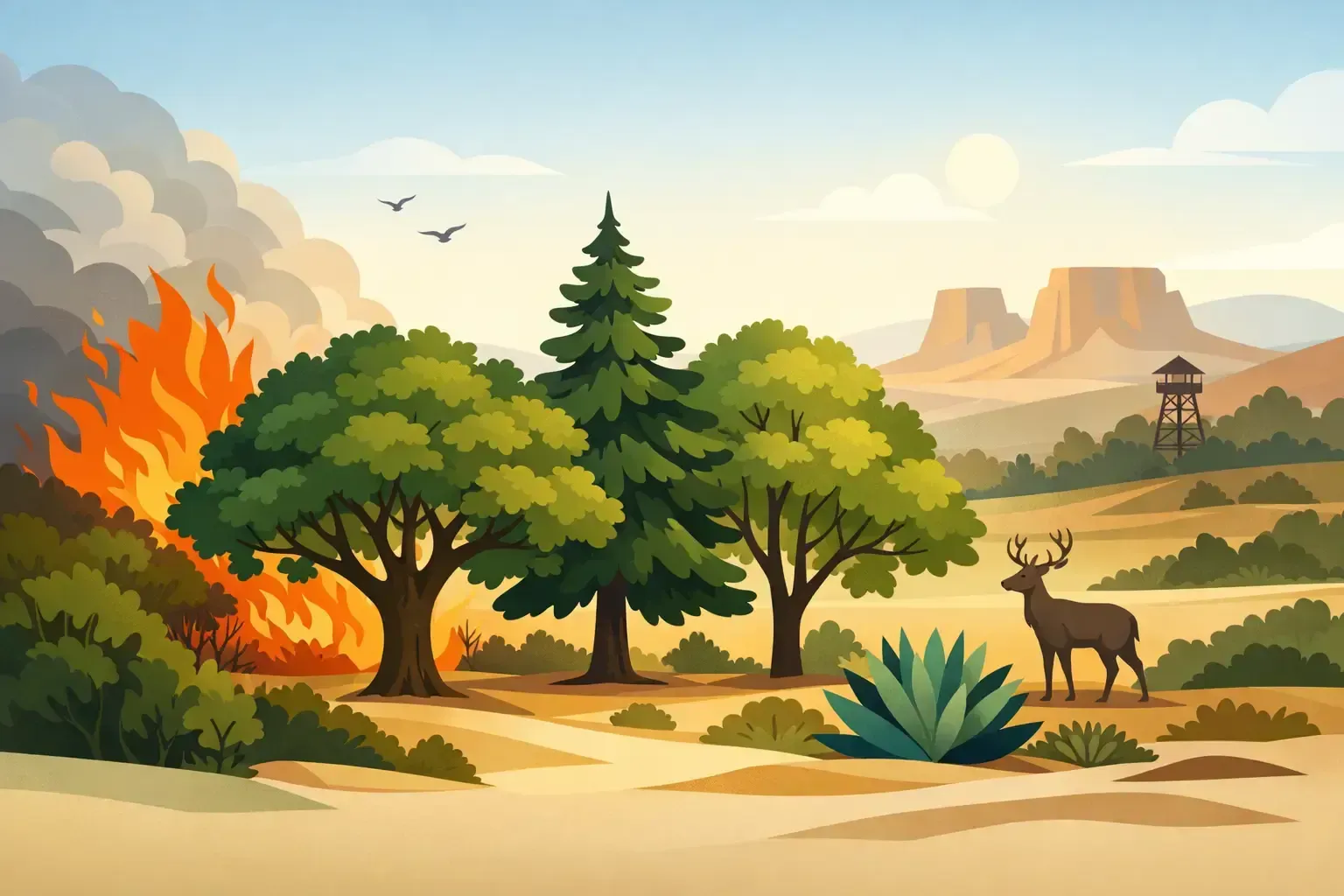
Wildfire risk is not driven by one factor. It is the intersection of weather, terrain, vegetation, ignition sources, and how a property has been maintained over time. Central Texas has all the ingredients that can make fire behavior unpredictable: long stretches of heat, seasonal drought, high winds, dense brush, rolling terrain, and development pushing farther into wooded and grassland areas.
The weather story is rarely simple. A dry spell can cure grasses and stress trees, making fuels easier to ignite. Then a wet period can produce a surge of grass and brush growth. When that new growth dries out later, the fuel load may be greater than before. That is why a green property in spring is not automatically a low-risk property by late summer.
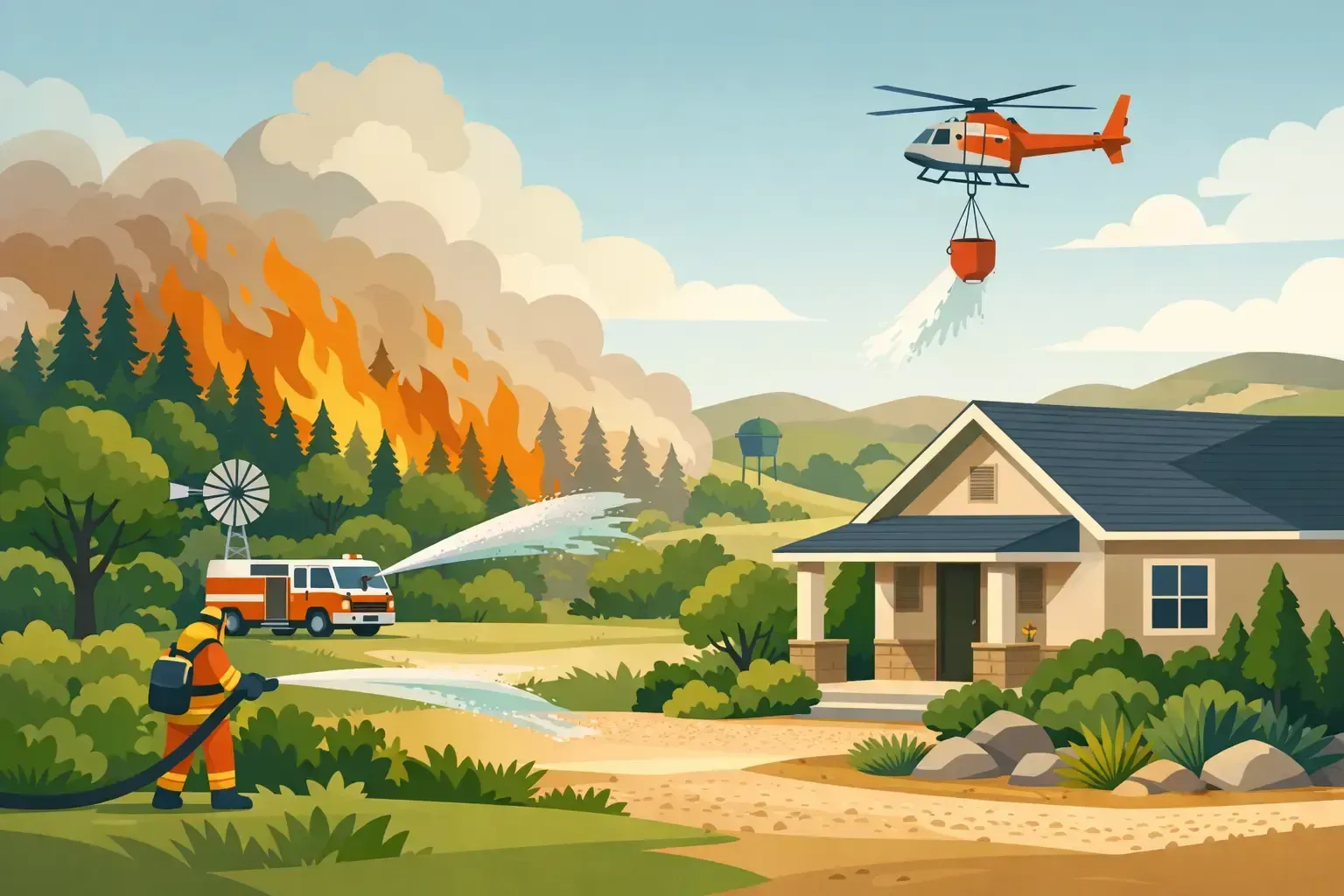
More homes are also located where natural vegetation meets developed land. This is often called the wildland-urban interface, but the plain-English version is simple: homes, roads, fences, barns, and utility areas are sitting closer to burnable vegetation. A fire does not need a wall of flames at the front door to cause damage. Wind-blown embers can travel ahead of the main fire and find receptive material around structures.
For landowners in Dripping Springs, Wimberley, Driftwood, Blanco, Johnson City, and the surrounding Hill Country, risk can vary dramatically from one side of a property to the other. A shaded drainage area, a cedar-heavy slope, an unmanaged fenceline, and an open pasture do not behave the same way in a fire. Good mitigation starts by reading the whole site, not by treating every acre with the same prescription.
The Fuel Problem Is About Connection, Not Just Quantity
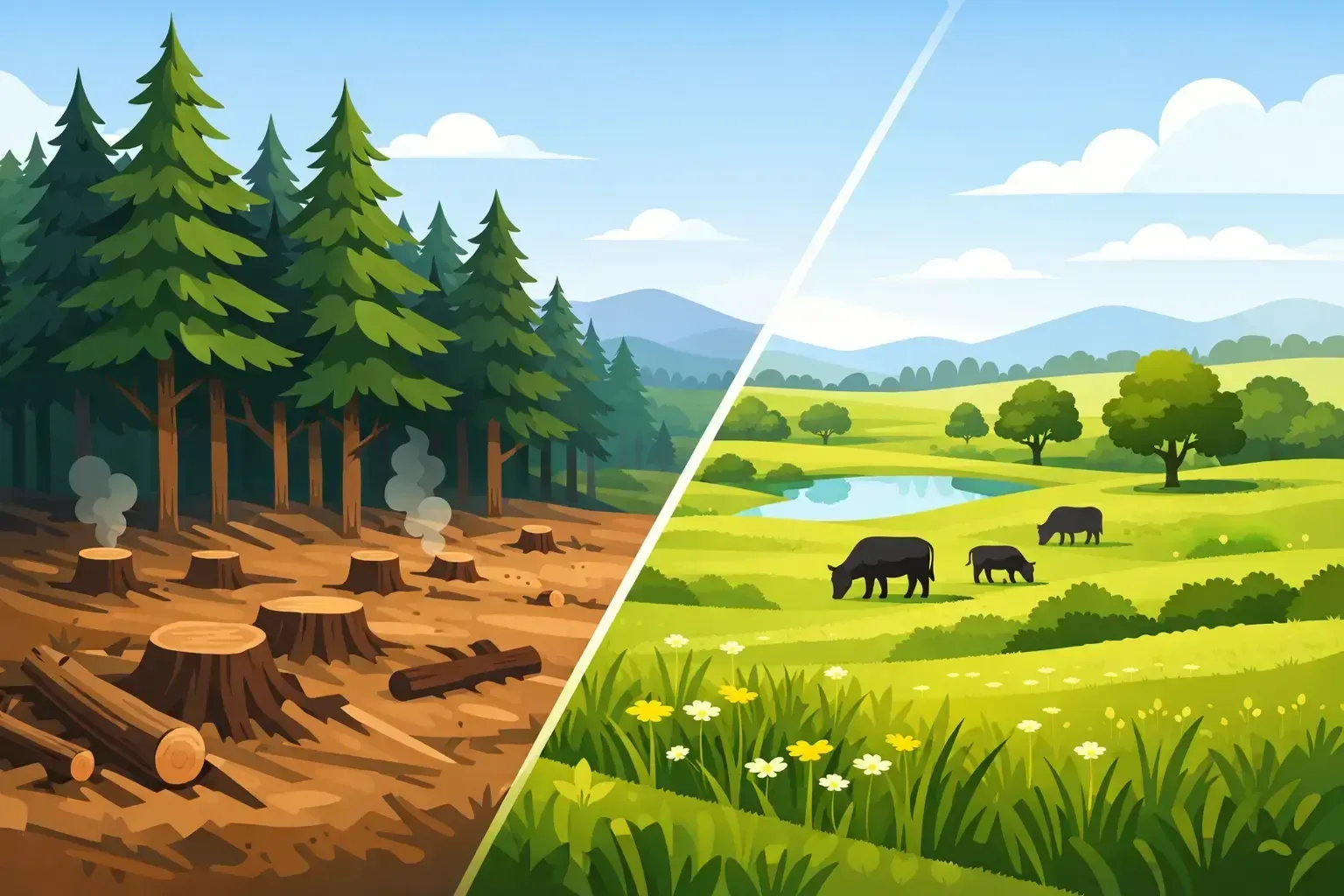
When people hear "wildfire mitigation," they often picture clear-cutting. That is not a precision solution, and it can create new problems such as erosion, sun stress on retained trees, invasive growth, and a landscape that no longer works for the owner.
The better question is: how connected are the fuels? Fire needs a route. Fine fuels such as dry grass, leaf litter, needles, and small twigs can carry fire quickly across the ground. Shrubs, brush, and low branches can move it upward. Dense tree canopies and closely packed vegetation can continue that path across a larger area.
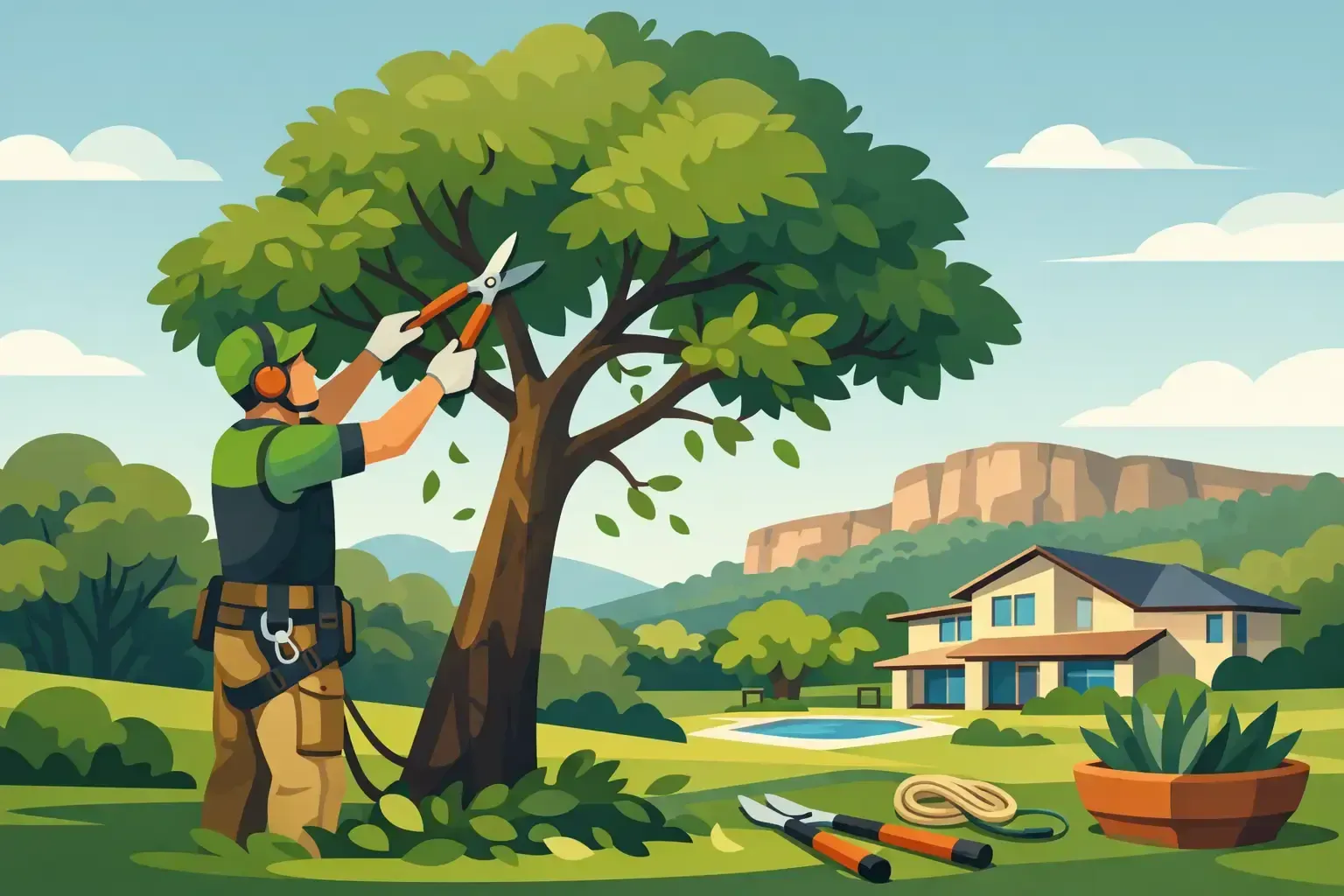
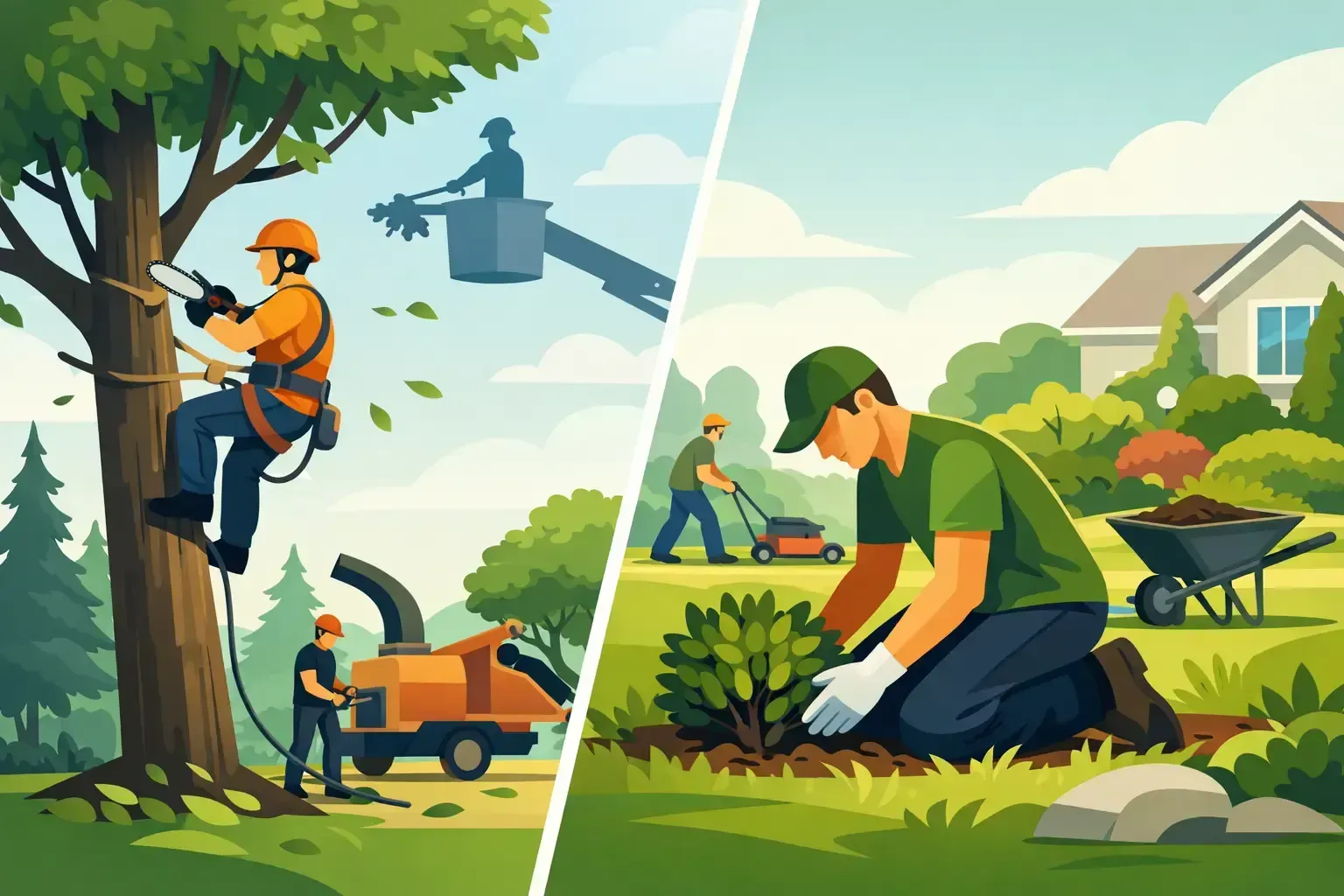
That vertical and horizontal connection matters more than the presence of any one tree. A healthy, well-spaced live oak may be an asset to the property. Dead material beneath it, low limbs near the ground, and brush pressed against the trunk can turn that asset into part of a fuel ladder. Strategic pruning, brush management, selective thinning, and removal of dead or declining material can interrupt those pathways while preserving the character and shade that make a Central Texas property valuable.
Juniper management often enters the conversation because dense juniper can create continuous fuel in many Hill Country settings. But it is not a one-size-fits-all issue. Slope, soil stability, drainage, native habitat goals, access, and nearby structures all affect the right plan. Precision beats blanket removal every time.
Four Risk Signals Worth Taking Seriously
Property owners should pay closer attention when they see four conditions together: heavy grass or leaf buildup, dense brush under trees, dead limbs or stressed trees, and vegetation touching or crowding structures. Any one condition may be manageable. Combined, they create a more efficient route for fire and embers.
Also look beyond the house. Detached garages, barns, sheds, wooden fences, propane areas, gates, driveways, and utility equipment all deserve a place in the plan. A property is only as prepared as its most overlooked edge.
What Changes After a Wet Season, a Drought, or a Storm
Texas wildfire trends do not move in a straight line from "wet equals safe" to "dry equals dangerous." Each season changes the work that should happen next.
After a wet season, fast-growing grasses and brush can fill in open spaces. That growth may look healthy, but it can dry into fine fuel when heat and wind arrive. This is a smart time to evaluate mowing strategy, brush density, access routes, and vegetation near structures before conditions become extreme.
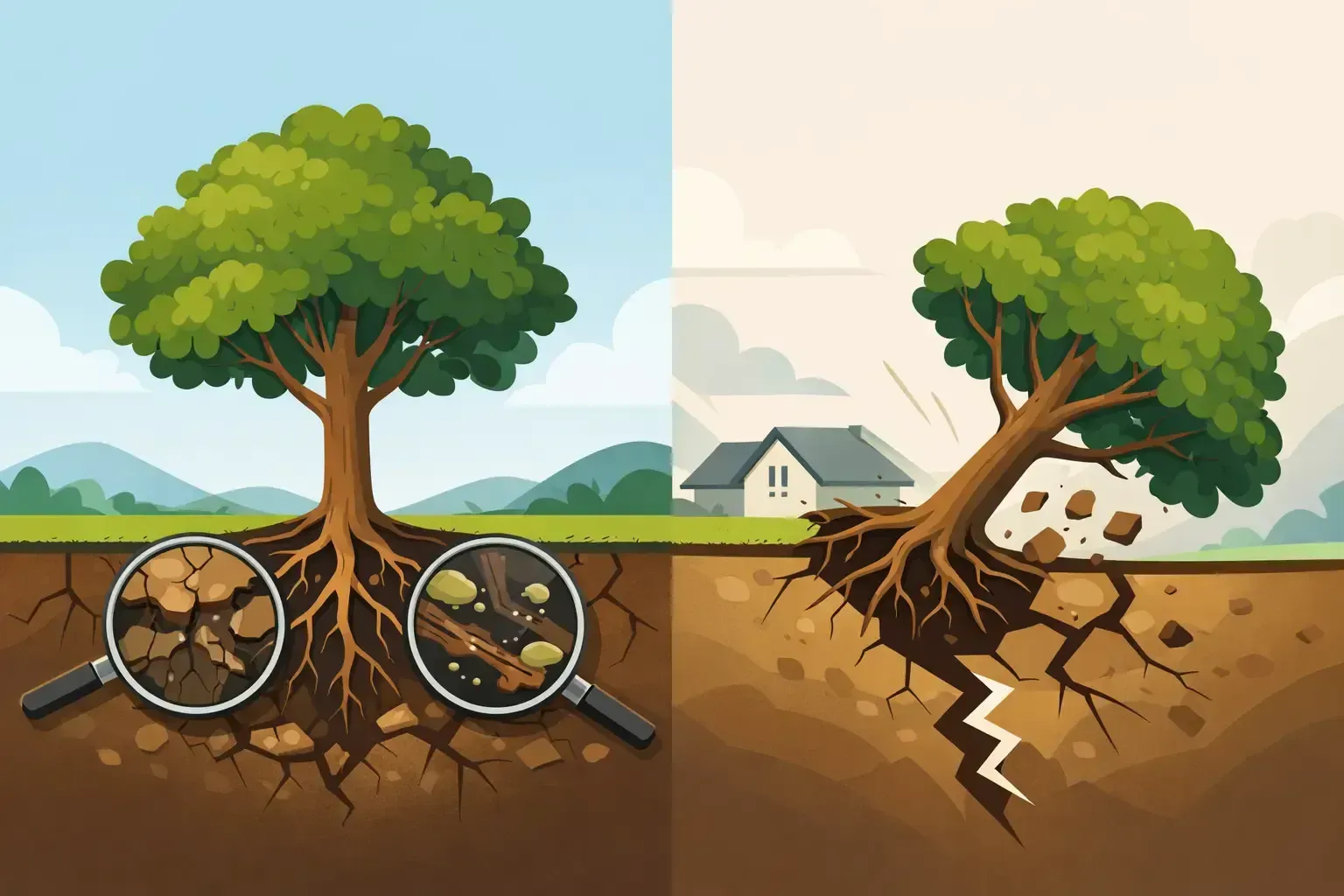
During drought, trees can become stressed and more vulnerable to pests, disease, and branch failure. Deadwood increases, leaf drop can build up, and dry vegetation becomes easier to ignite. Drought is not the time for random, aggressive pruning. It is the time for a thoughtful property assessment that identifies immediate hazards, protects stressed trees where possible, and focuses mitigation where it provides the greatest reduction in risk.
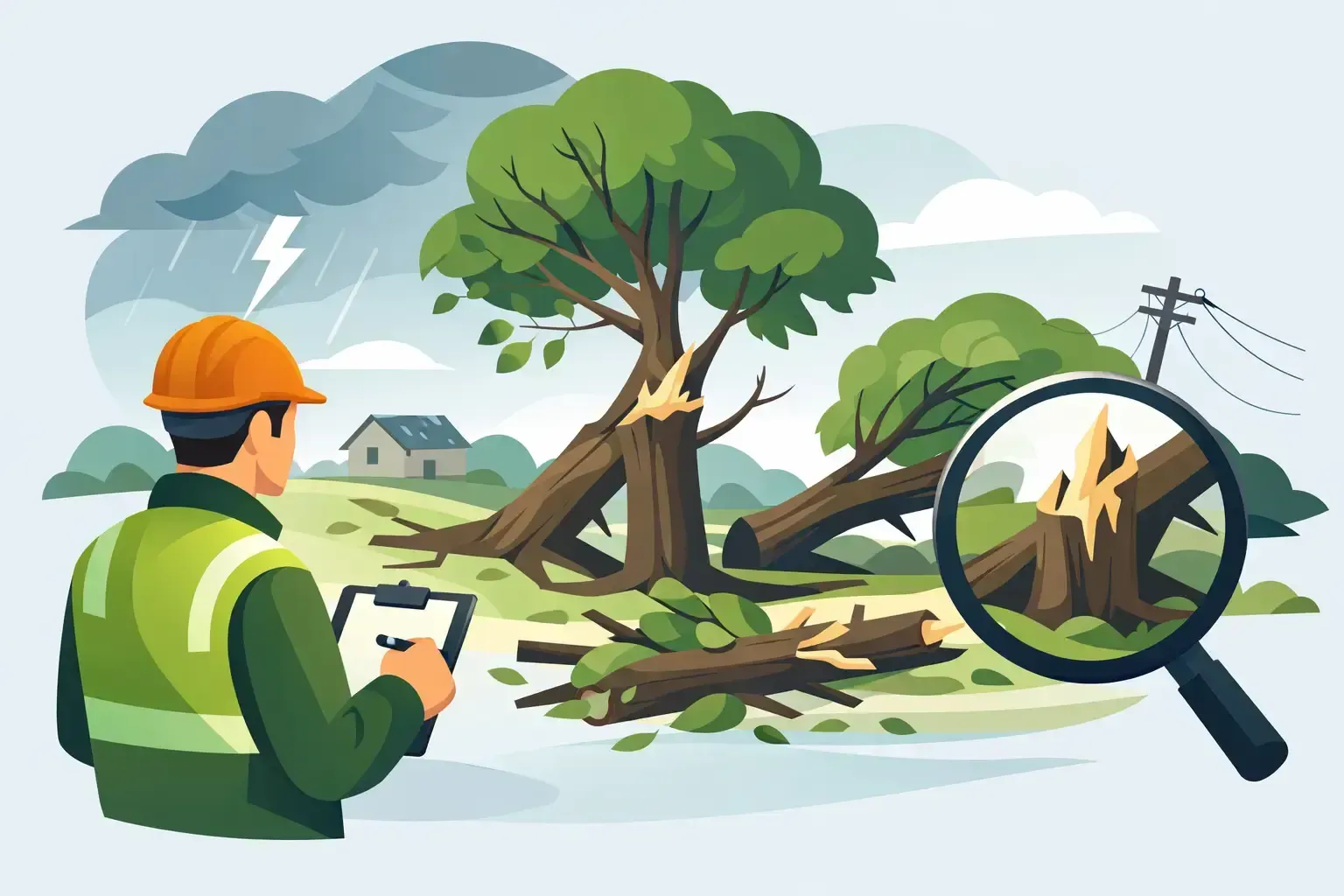
After storms, fallen limbs and damaged trees create another layer of fuel. Storm cleanup
is about more than restoring curb appeal. Large woody debris, broken branches, and piles of material along fencelines can add complexity to a future fire event. Prompt cleanup and proper processing help restore access and keep debris from becoming a long-term problem.
Defensible Space Is a System, Not a Bare Ring Around the House
Defensible space is often misunderstood as a sterile perimeter. In practice, it is a managed transition between your home or building and the surrounding landscape. The right approach reduces ignition opportunities while keeping the property usable, attractive, and ecologically sensible.
Start closest to structures. Keep roofs, gutters, patios, decks, and immediate foundations free of accumulated leaves, needles, and other dry debris. Avoid storing firewood, lumber, fuel containers, or brush piles against buildings. Maintain separation between plantings and walls, windows, vents, and fences where practical.
Then work outward. Address low branches, dense brush, dead material, and vegetation that forms continuous paths toward structures. Consider how fire equipment could reach the property, whether a driveway has adequate clearance, and whether responders can identify access points quickly. On larger acreage, breaks and treatment areas should follow terrain and property use rather than being placed at random.
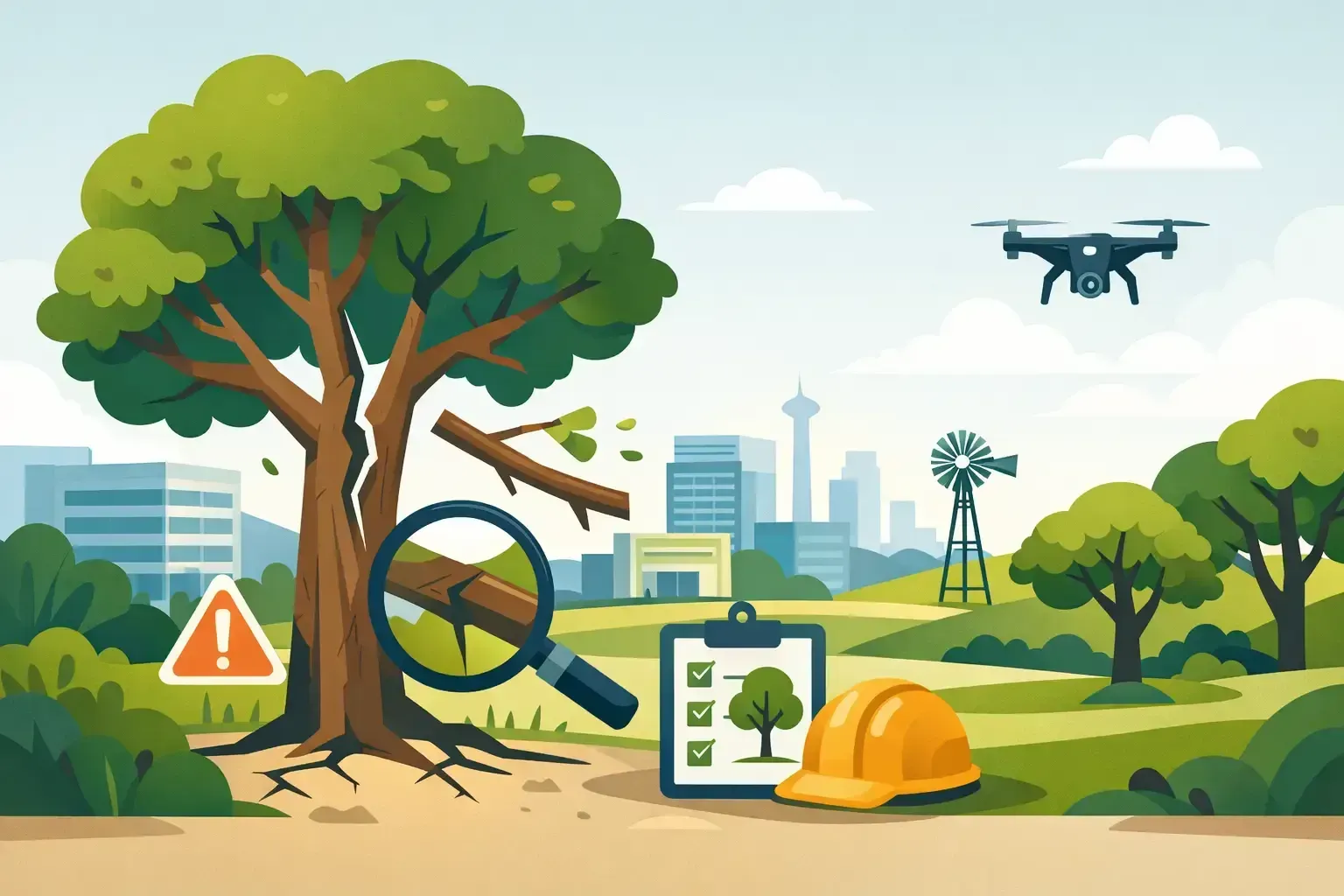
This is where professional judgment earns its keep. Removing the wrong tree can eliminate shade, destabilize soil, or create a visual scar without meaningfully reducing wildfire exposure. Leaving the wrong material in place can preserve a hazard. An ISA Certified Arborist with wildfire risk training can assess tree condition and fuel arrangement together, rather than viewing the job as simple vegetation removal.
A Better Plan for Larger Lots, Ranches, and Communities
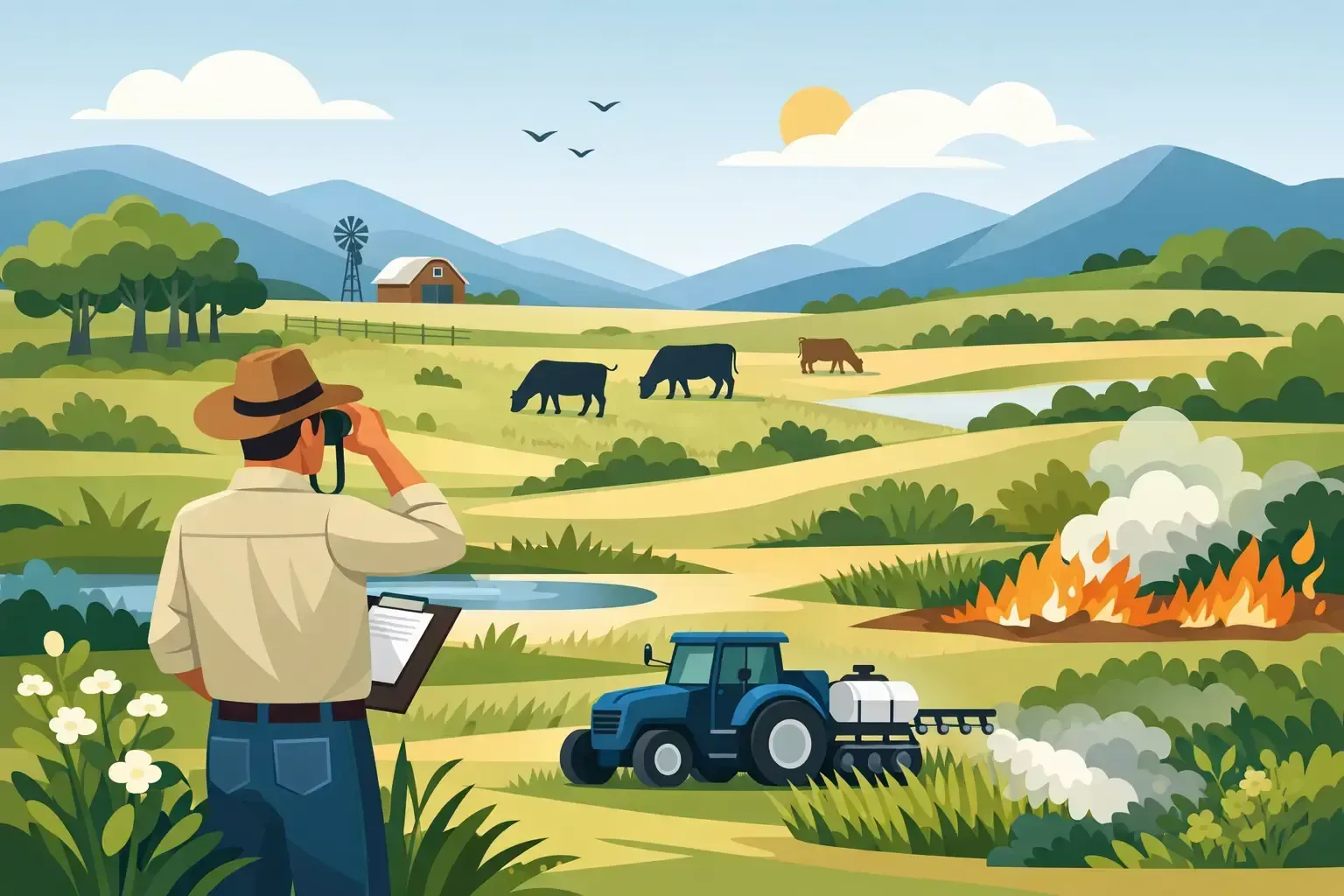
Big properties need a phased plan. Trying to address every acre at once can be expensive, disruptive, and unnecessary. Begin with priority areas: structures, entrances and driveways, utility corridors, high-use outdoor spaces, fence lines, and portions of the property where vegetation is especially dense or fire could move uphill toward improvements.
For HOAs, MUDs, and commercial sites, consistency matters. A well-maintained common area can still be exposed if adjacent easements, retention areas, trail corridors, or utility zones are ignored. The strongest programs establish inspection cycles, address seasonal growth before it cures, and document the work so future boards and managers understand what has been done and why.
Landowners should also plan for the material created by mitigation. Brush, limbs, and woody debris need a clear destination. Chipping, hauling, processing, or other appropriate handling should be built into the scope. Moving fuels from one corner of the property to another is not a wildfire strategy.
Dynamo Dusty's Tree Service approaches this work with the same disciplined, engineering-based thinking used for high-end tree and land management projects. The aim is clear communication, clean execution, and visible improvements that make a property safer without treating it like a vacant lot.
The Best Time to Act Is Before the Warning Signs Stack Up
Waiting for red-flag conditions, a nearby fire, or an insurance question creates pressure that no property owner needs. The most effective wildfire mitigation work is planned when crews can assess the land carefully, equipment can move efficiently, and decisions are not being made in a rush.
A professional walkthrough should leave you with more than a vague recommendation to "clear brush." You should understand which areas are highest priority, which trees should be retained or monitored, what work provides the strongest safety return, how debris will be handled, and what maintenance will be needed next season.
Your property does not have to look stripped down to be better prepared. With smart spacing, healthier trees, cleaner access, and fewer connected fuels, it can remain the Texas place you enjoy while being far less ready to carry fire.