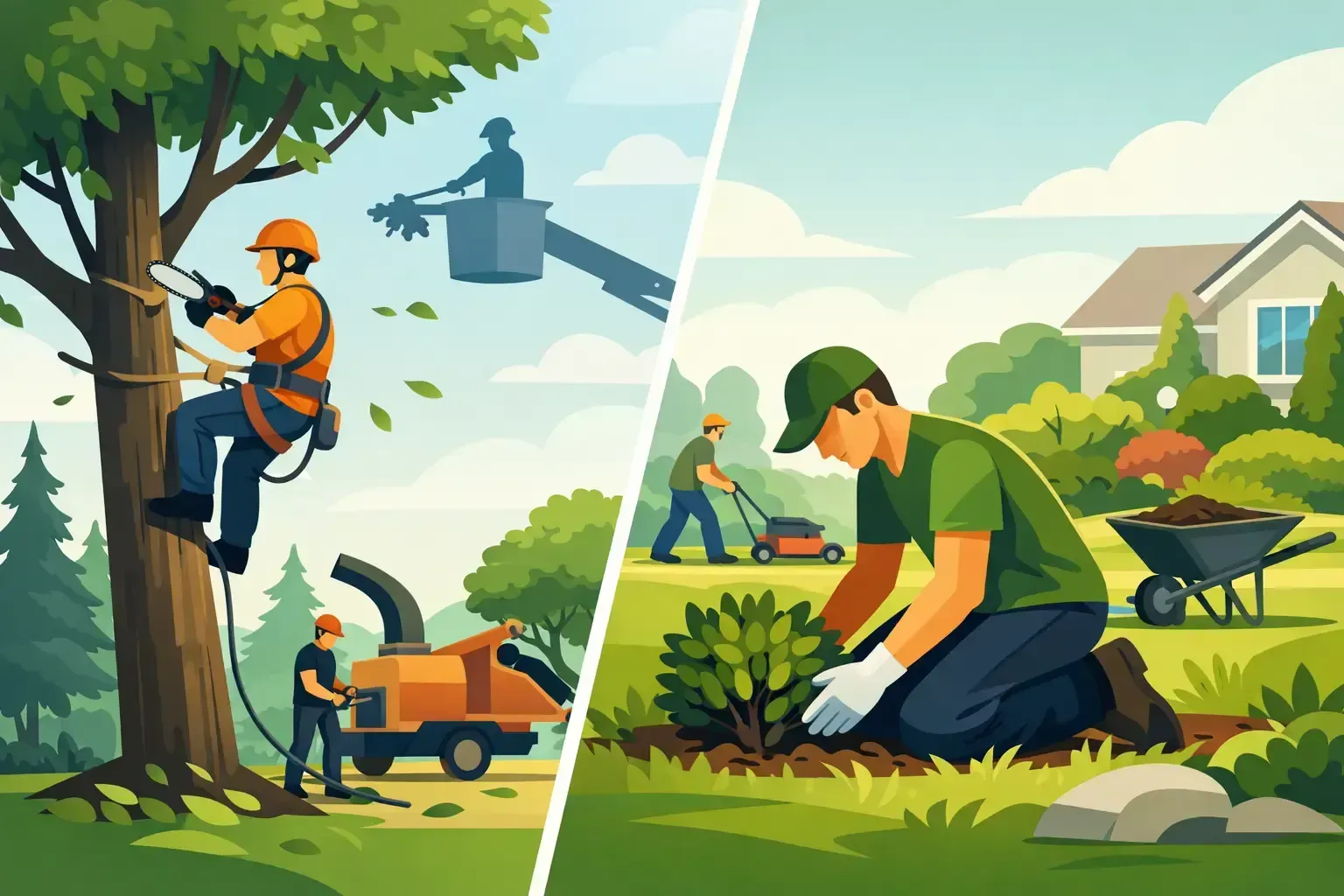
A ranch can look green and still be headed in the wrong direction. Dense brush can hide stressed oaks, crowd out usable pasture, choke access roads, and create a continuous path for wildfire. This guide to ranch vegetation management is built for Central Texas landowners who want their acreage to work harder: safer around structures, healthier for desirable trees, easier to maintain, and ready for the next dry spell.
The goal is not to scrape a property bare. Good vegetation management is selective, intentional work. It identifies what deserves protection, what is competing for water and sunlight, and what is turning valuable acreage into a fire or access problem.
A Guide to Ranch Vegetation Management Starts With a Plan
Before any equipment rolls in, walk the property with a purpose. Start by marking the areas that matter most: homes, barns, fences, wells, gates, roads, utility corridors, stock tanks, trails, and view corridors. These are the places where overgrowth creates the most immediate safety, operational, or maintenance headaches.
Then separate the ranch into management zones. A shaded creek bottom should not be treated like a dry ridge. The brush around a residence deserves a different standard than a remote boundary line. A pasture intended for grazing has different needs than a wildlife corridor. One blanket approach may be fast, but it can also remove the wrong plants and leave the real problem untouched.
For many properties in Dripping Springs, Wimberley, Blanco, and the surrounding Hill Country, the first questions are straightforward: Which trees are healthy and worth keeping? Where is cedar density preventing airflow and access? Which areas have enough fine fuel to carry fire quickly? Where is brush preventing you from seeing fence damage, invasive plants, or stressed trees?
A professional site assessment brings useful judgment to those questions. It helps distinguish a mature live oak worth preserving from a declining tree with structural concerns, or native brush that supports habitat from dense growth that is overwhelming a pasture. That distinction is where precision pays off.
Protect the Plants You Want to Keep
Vegetation management is often described as clearing, but preservation should lead the conversation. Healthy, well-spaced native trees add shade, character, habitat, and real value to a ranch. They also need room.
When brush, small volunteer trees, and aggressive understory growth are packed tightly around mature oaks or elms, they compete for limited moisture. In Central Texas, that competition becomes expensive during drought. Crowded conditions can also limit access for inspection and make it harder to spot deadwood, disease symptoms, or damage after a storm.
Juniper, commonly called cedar, deserves a practical view. It is not automatically bad, and it can provide erosion control and wildlife cover in the right setting. The issue is density and placement. Juniper growing thickly against buildings, under power infrastructure, along narrow access routes, or throughout a pasture can create problems quickly. Selective thinning
often produces better results than indiscriminate removal.
The same principle applies to mesquite, hackberry, yaupon, and volunteer growth. Keep what serves the land plan. Remove or reduce what blocks the plan. On a premium ranch property, the strongest visual result usually comes from thoughtful spacing, not a stripped landscape.
Break Up Wildfire Fuel Before It Becomes a Runway
Wildfire mitigation is not about making a property fireproof. No contractor can promise that. It is about reducing the ways fire can move across the ground, into brush, and toward structures.
Fine fuels such as dry grass, leaf litter, twigs, and brush piles ignite easily and spread flame fast. Ladder fuels, including low branches and dense shrubs beneath tree canopies, give fire a route upward. When thick vegetation connects the ground to the canopy and the canopy to a roofline, fence line, or outbuilding, risk rises sharply.
Start closest to buildings and work outward. Clear accumulated debris, remove dead or declining brush, and create defensible space
that gives firefighters room to operate. Keep driveways and ranch roads open enough for emergency equipment, especially at turns, gates, and turnaround points. A beautiful entry road does not help much if emergency access is blocked by overgrowth or low limbs.
Do not overlook piles. Brush piles, stacked firewood placed against a structure, and debris left after storm cleanup can create concentrated fuel loads. Chipping, hauling, or properly placing material away from improvements is usually a cleaner, safer finish than leaving the problem in a new location.
This is also where timing matters. A large thinning project completed before the hottest, driest stretch of the year gives you time to handle residual material correctly. Waiting until conditions are already severe can limit options and increase urgency.
Improve Pasture Function Without Wrecking the Soil
Opening pasture is about more than getting a wider view from the truck. Excess woody growth can reduce usable grazing area, limit movement, and make fence maintenance a constant battle. But clearing too aggressively can disturb soil, accelerate erosion, and invite opportunistic weeds.
Use the lightest effective method for the site. On slopes, near drainage features, and around fragile soils, retain enough vegetation and root structure to hold the ground in place. Avoid pushing material into creeks, draws, or drainage paths where it can alter water flow or create washout problems later.
After brush reduction, monitor what returns. Bare ground rarely stays bare. If a site is opened up without a follow-up plan, invasive or undesirable plants may claim the space before native grasses recover. Depending on your land goals, follow-up may include mowing, targeted herbicide application by qualified professionals, reseeding, managed grazing, or periodic hand work around protected trees.
It depends on rainfall, soil condition, livestock use, and the plant species already present. The smart move is to budget for maintenance from the beginning rather than treating the initial clearing as a one-and-done project.
Build Access That Helps You Maintain the Ranch
A well-managed ranch is easier to inspect. Clear, stable access routes let you check fences, monitor trees, service utilities, respond to downed limbs, and move equipment without fighting brush every time.
Focus on practical corridors: primary drives, secondary trails, fence lines, utility easements, pond access, and property boundaries. You do not need to clear every corner of the ranch. In fact, leaving intentional natural areas can preserve privacy and habitat. But the routes you rely on should remain passable in every season.
Along fence lines, give yourself enough clearance to spot broken wire, leaning posts, and fallen limbs. Around gates, remove vegetation that interferes with visibility or operation. Near water infrastructure, keep the area accessible while protecting drainage and avoiding unnecessary soil disturbance.
For larger properties, phased work is often the best play. Handle the home site, main entry, and high-risk access routes first. Then move to pasture edges, boundary lines, and lower-priority areas as the budget allows. A staged plan keeps the project disciplined and delivers visible results early.
Use a Seasonal Maintenance Rhythm
Central Texas vegetation does not wait for a convenient calendar date. Rain can trigger explosive growth, drought can stress mature trees, and windstorms can turn neglected limbs into urgent work. Still, a seasonal rhythm prevents surprises.
In late winter and spring, inspect trees, drainage paths, roads, and fence lines before growth accelerates. During the hot, dry period, prioritize wildfire fuel reduction, irrigation needs for high-value trees, and removal of hazardous dead material. After major storms, inspect access routes and structures before tackling cosmetic cleanup. Fall is a strong time to reassess pasture conditions, remove seasonal debris, and plan larger projects before next year's growth cycle.
Take photos from the same locations each season. They create a simple record of tree canopy, brush regrowth, erosion, and pasture recovery. That evidence makes future decisions less emotional and more accurate.
When Professional Planning Makes Sense
A chainsaw and a weekend can handle small tasks. Large acreage, mature trees, steep terrain, wildfire exposure, utility concerns, or heavy storm damage deserve a more engineered approach. The cost of removing the wrong tree, damaging a protected root zone, creating erosion, or leaving wildfire fuel behind can exceed the cost of doing the work correctly at the start.
Dynamo Dusty's Tree Service approaches ranch vegetation work as land stewardship with a job plan, not a rush to make things disappear. Clear communication, transparent scope, and certified arboricultural judgment matter when the property has to look good, function well, and stay ready for whatever Texas weather throws next.
The best ranch vegetation plan is one you can maintain. Start with the places that protect people, structures, access, and your best trees. Then make each acre earn its place in the bigger picture.