
A Guide to Commercial Tree Risk for Texas Properties
August 28, 2026
A shaded entry drive can become a liability fast when a heavy limb hangs over customer parking, a dead cedar leans toward a fence, or brush builds up around utility equipment. For commercial property owners, HOAs, MUDs, and managers, this guide to commercial tree risk starts with one principle: a tree is not simply safe because it looks green from a distance.
Tree risk management is about making smart, documented decisions before a failure disrupts operations, damages property, injures someone, or turns a manageable issue into an emergency call. In Central Texas, drought stress, compacted soil, high winds, oak decline, construction damage, and dense cedar growth can all change the risk picture quickly.
What Commercial Tree Risk Actually Means
Commercial tree risk is the likelihood that a tree, limb, or related vegetation issue will fail and cause harm to a person, building, vehicle, utility, roadway, or other high-value target. Risk is not just a question of whether a tree has a defect. It is the combination of the tree's condition, the chance of failure, and what sits within reach if it fails.
A large live oak with a questionable limb over unused acreage does not carry the same urgency as a smaller tree with a similar defect over a busy sidewalk. Likewise, a standing dead tree beside a warehouse loading area demands a different response than one at the far edge of a low-traffic greenbelt.
That distinction matters because good tree management is not about removing every imperfect tree. It is about reducing unacceptable exposure while preserving the shade, appearance, habitat, and long-term value that healthy trees bring to a site.
The target is often the deciding factor
On a commercial property, targets include more than buildings. Think about vehicles at a retail center, guests near a pool, school pickup lanes, playgrounds, trails, monument signs, gates, drainage infrastructure, service roads, and electrical equipment. A tree can have a moderate defect but still require prompt attention if people or assets regularly occupy the area beneath it.
Traffic patterns also change. A side drive that sees little use most of the year may become a daily drop-off route during a construction project. A formerly vacant parcel may be developed. Risk assessments should be updated when the use of the property changes, not only when a storm hits.
A Practical Guide to Commercial Tree Risk Inspections
A professional assessment begins on the ground with a systematic look at the whole site. The goal is to identify obvious hazards, understand contributing conditions, and prioritize work based on exposure and consequences. For larger properties, this often works best as a zone-by-zone process: entrances and public areas first, then parking and structures, then perimeter lines, drainage corridors, and lower-use acreage.
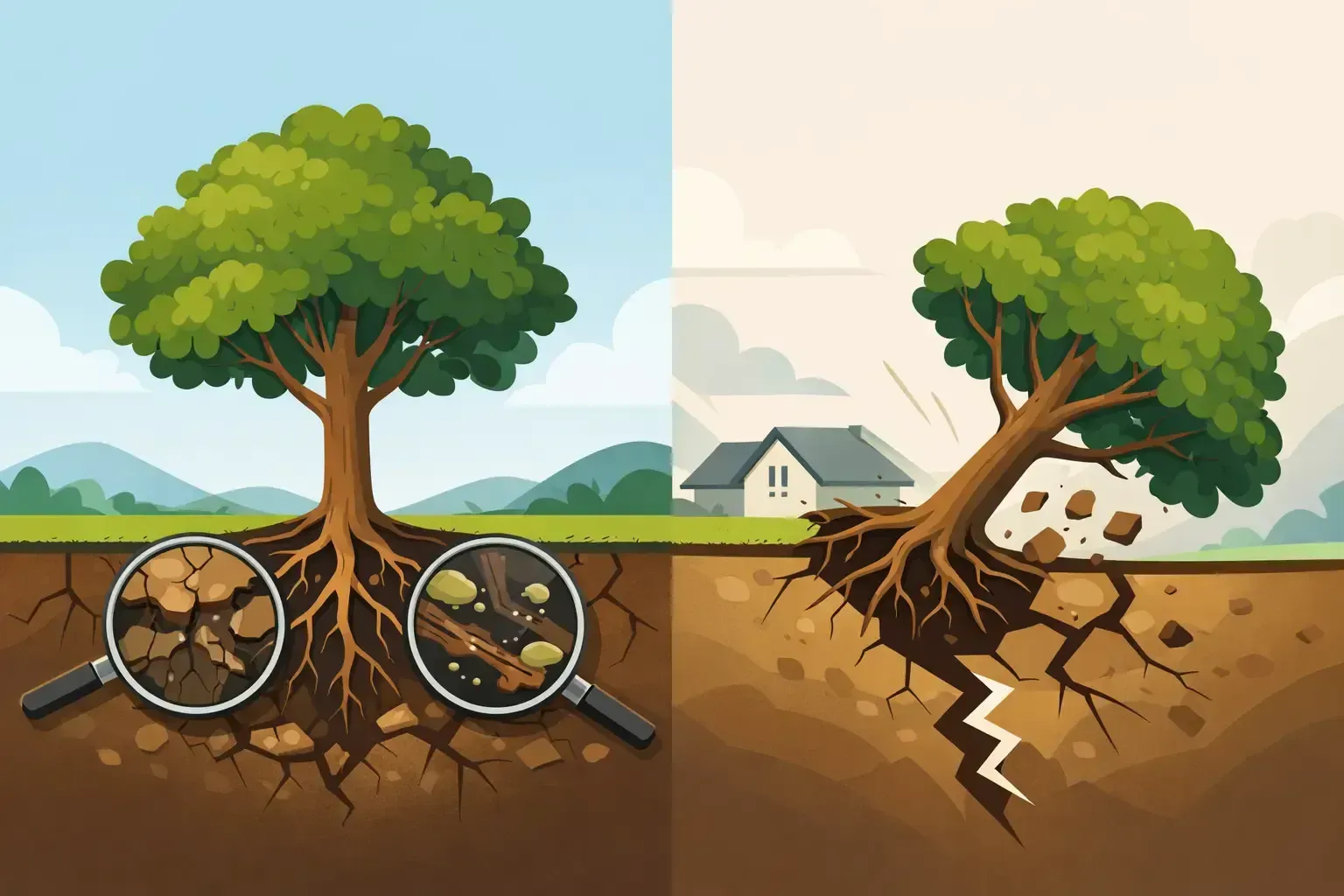
An arborist should look beyond a single broken branch. The base of the tree, trunk, canopy structure, nearby soil, drainage, past pruning cuts, and surrounding construction all tell part of the story. A defect may be visible, but its cause can be underground or tied to a change made months earlier.
Common warning signs include the following:
- Dead, broken, hanging, or heavily decayed limbs over active use areas
- Cracks, splits, cavities, loose bark, or seams in major stems and trunk unions
- Fungi at the base, soil heaving, new lean, or root damage near the trunk
- Dense, overextended canopies that catch wind and place weight on weak attachments
- Declining foliage, repeated dieback, or storm damage that has not been properly addressed
None of these signs automatically means removal is the right answer. Some can be managed with targeted pruning, support planning, access restrictions, health care, or monitoring. Others call for removal because the defect and target exposure create more risk than the tree can reasonably carry.
Keep records that help you act
For a commercial site, a verbal observation is not enough. Keep a simple tree risk record that identifies the location, tree or vegetation issue, observed condition, target, recommended action, priority level, and completion date. Photos are useful, especially after storms or before site improvements begin.
This documentation helps property managers plan budgets, communicate with boards and owners, and demonstrate that hazards were addressed responsibly. It also prevents the familiar cycle of rediscovering the same problem every season because no one knows what was previously recommended or completed.
Why Central Texas Sites Need a Different Lens
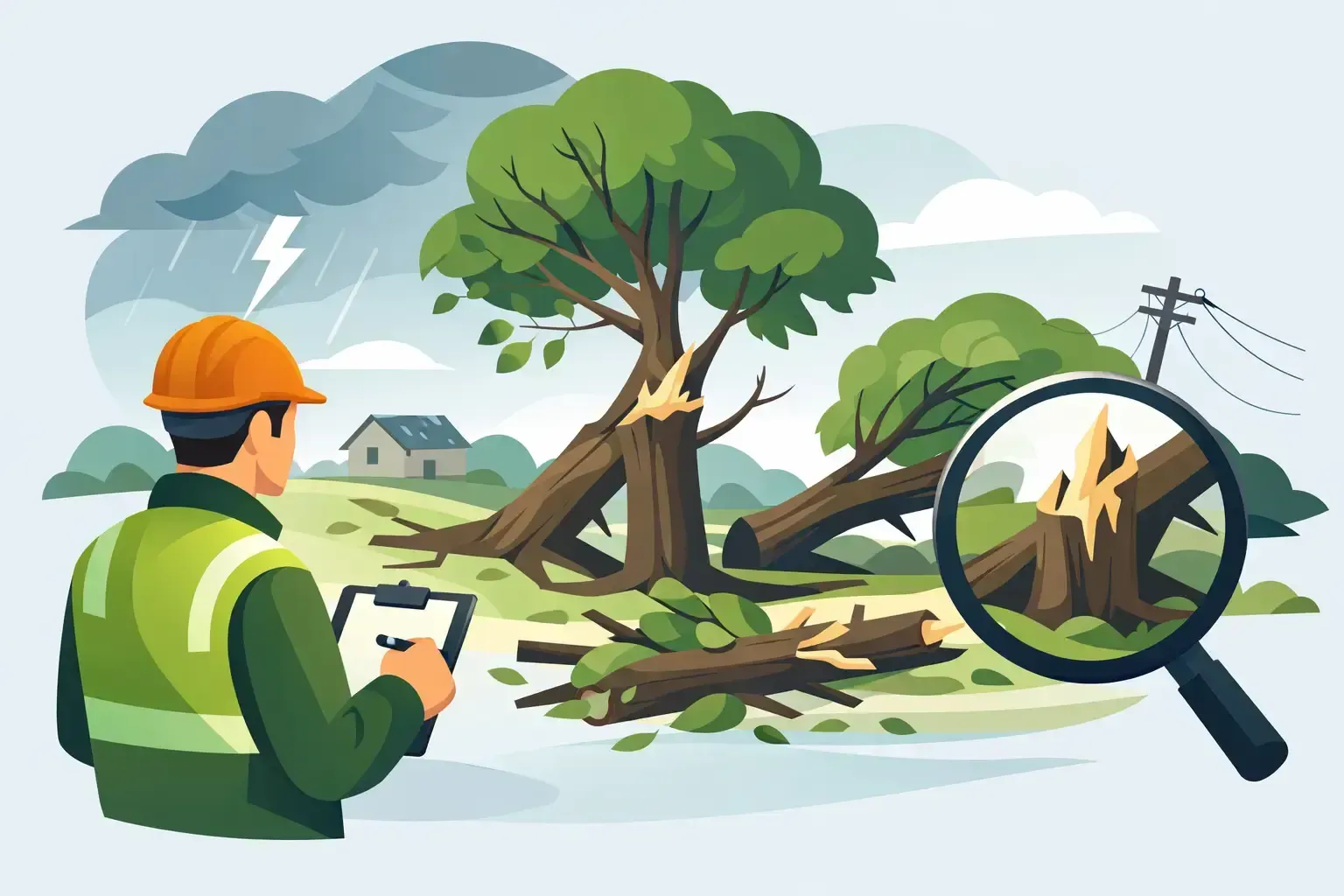
Our trees deal with hard conditions. Long dry spells can stress mature oaks and junipers. Sudden heavy rain can soften soils around compromised roots. High-wind thunderstorms can expose weak branch attachments in a matter of minutes. Severe weather is often the event that reveals a problem, but it is rarely the only reason the problem existed.
Wildfire exposure
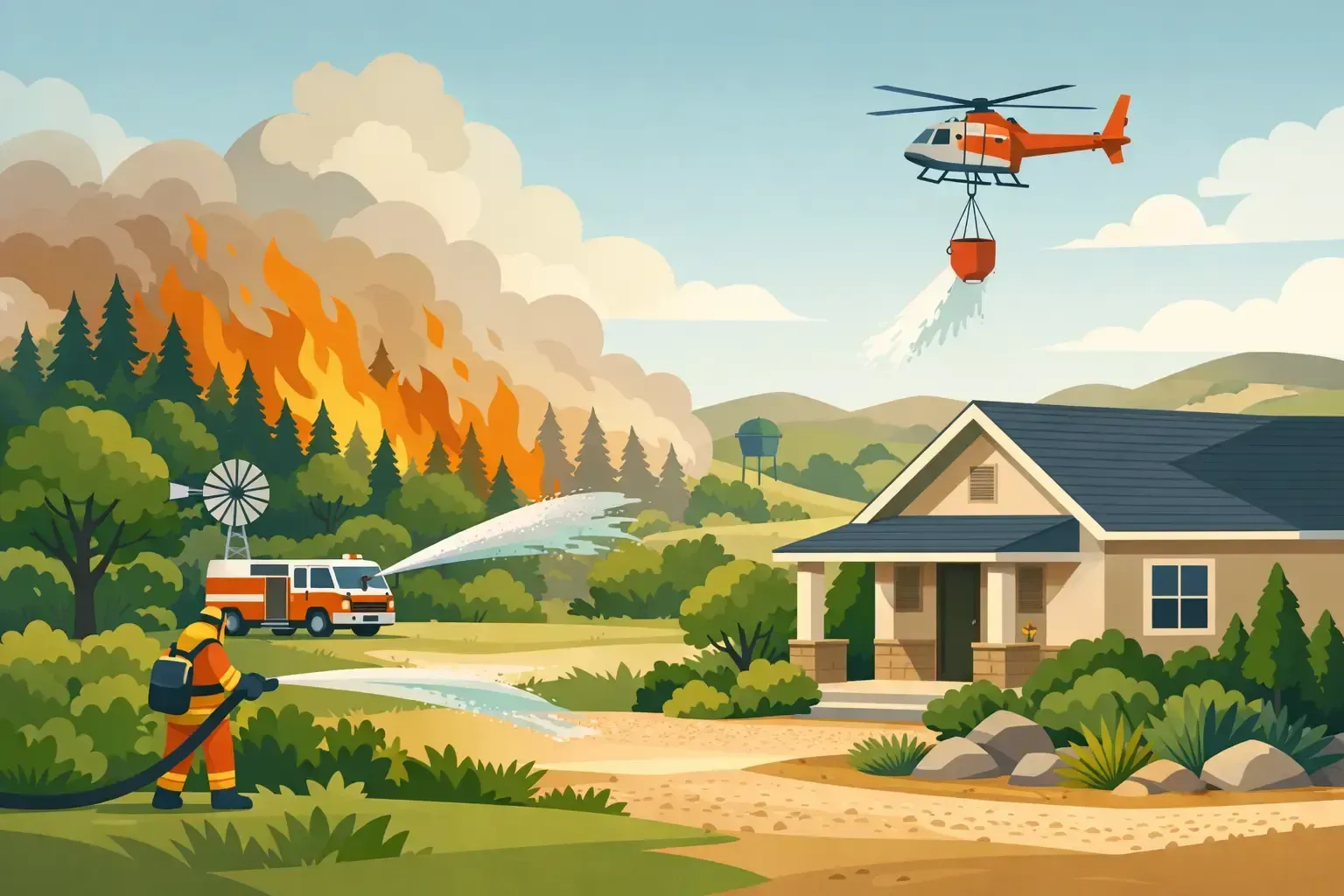
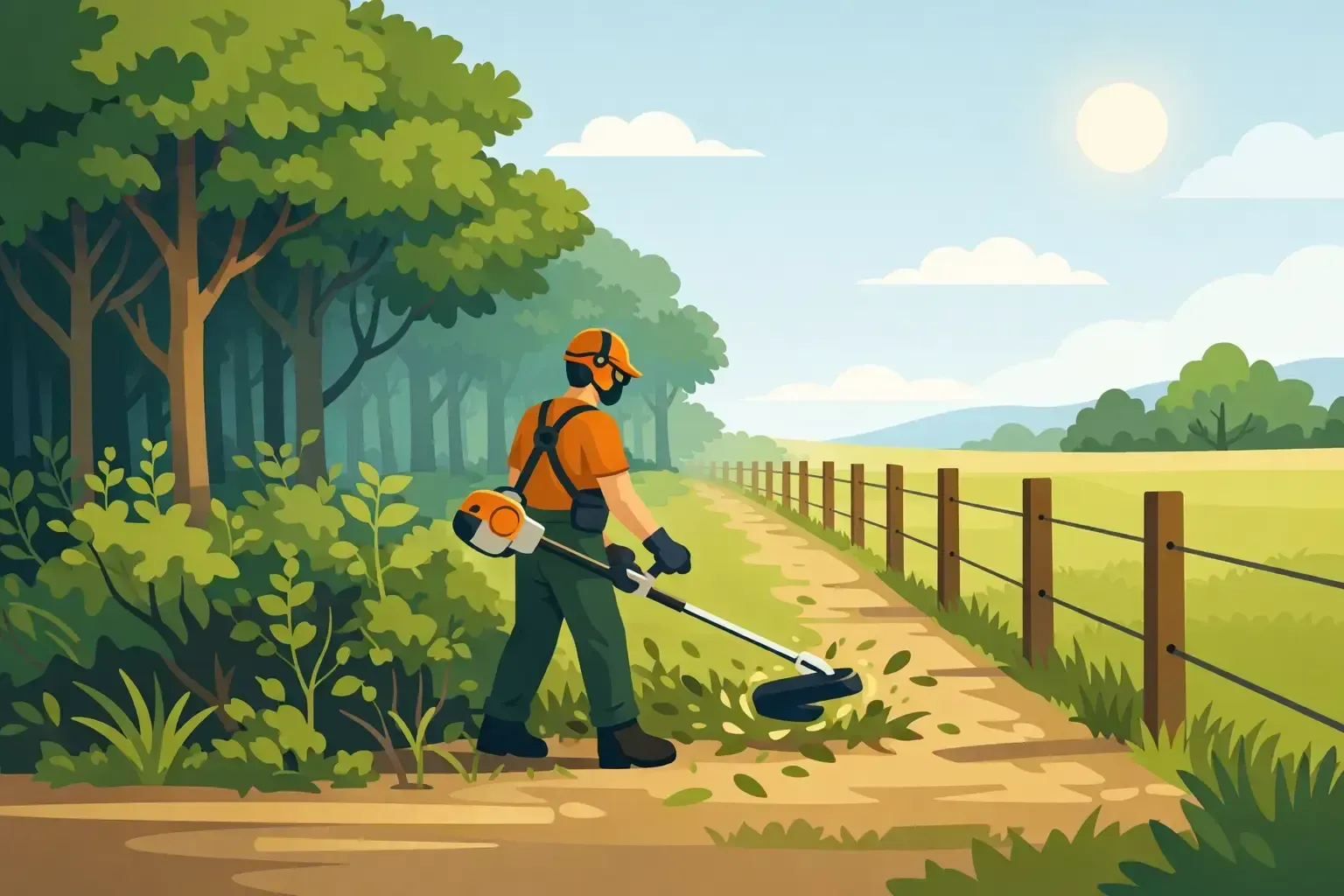
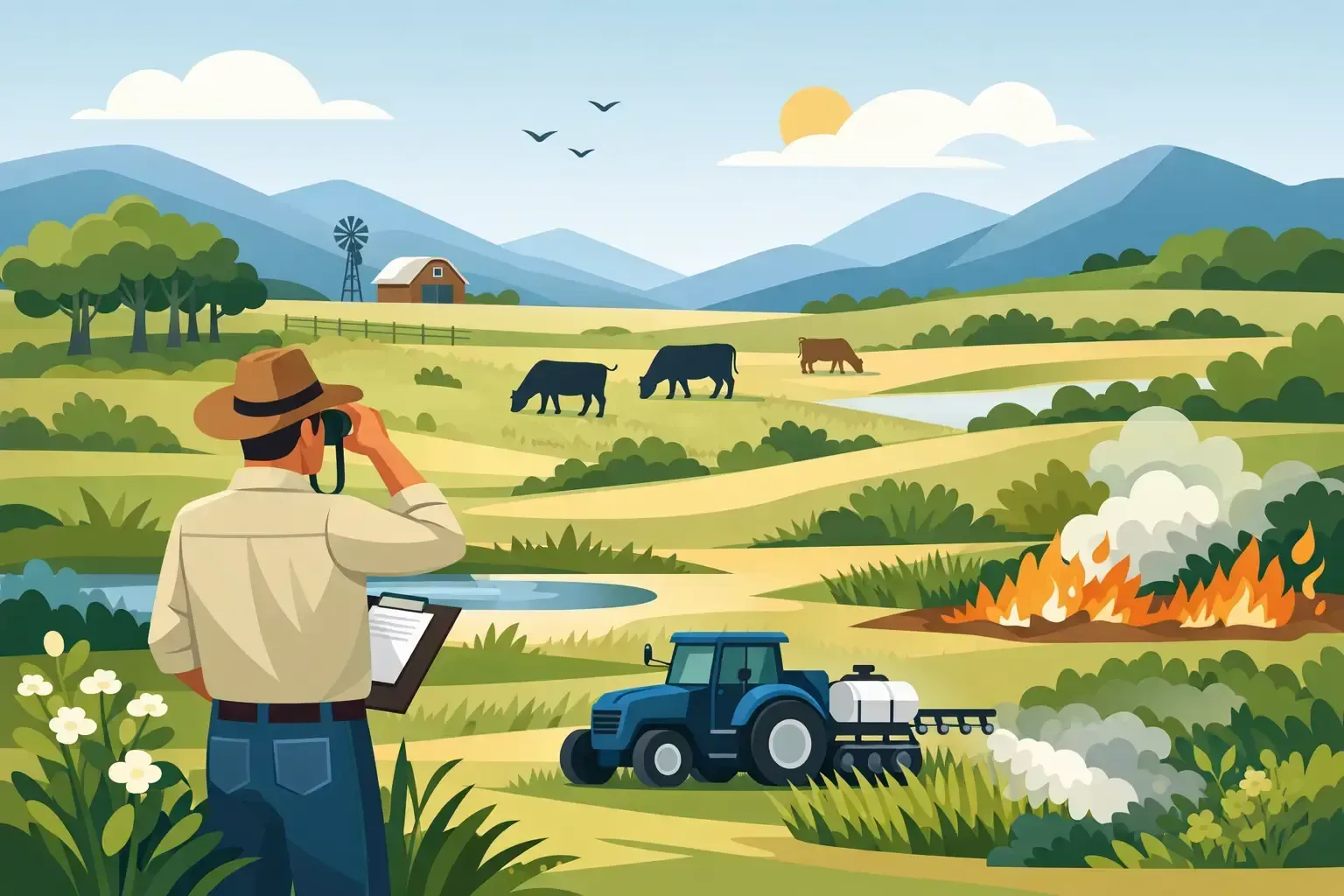
adds another layer, especially for acreage, greenbelts, and commercial sites near unmanaged vegetation. Low limbs, dense brush, dead material, and continuous fuel paths can allow fire to move closer to buildings, access routes, and critical infrastructure. Clearing every tree is not the answer. Strategic thinning, pruning, brush management, and defensible-space planning can lower fire intensity while keeping the property attractive and functional.
Construction is another major risk multiplier. Grade changes, trenching, equipment traffic, soil compaction, and damage around the root zone can weaken trees long after a project wraps up. If your property is adding parking, utilities, drainage, sidewalks, or new buildings, tree protection and post-construction inspections deserve a place in the project plan.
Prioritize Work by Urgency, Not by Appearance
The prettiest improvement is not always the first job to fund. Commercial tree work should begin with the conditions that could cause the greatest harm or operational disruption.
Immediate priorities usually involve active failures, trees or limbs with a high likelihood of failing onto occupied targets, blocked emergency access, or storm damage
affecting utilities and primary entrances. These conditions should be isolated where possible and addressed quickly by qualified professionals.
The next tier includes defects that are not emergencies today but could worsen with weather, seasonal growth, or continued site use. This is where proactive pruning, deadwood removal, selective reduction, health management, or scheduled removal can prevent a future scramble.
Lower-priority work often includes aesthetic shaping, routine clearance, and conditions in remote areas with little to no target exposure. These projects still matter, but they can be planned around budget, tenant schedules, nesting considerations, and the best season for the species involved.
A disciplined plan beats a panic-driven one. It also gives decision-makers room to compare options. Removing a mature tree may eliminate a particular hazard, but it can increase heat, reduce screening, affect drainage, or change the look of the property. Sometimes the best path is selective risk reduction rather than full removal.
Build Tree Risk Into Your Maintenance Calendar
A commercial tree risk program works best when it is ongoing. At minimum, inspect high-use areas before storm season, after major weather events, and following construction activity or noticeable tree decline. Properties with dense tree cover, public recreation areas, or wildfire exposure may need more frequent review.
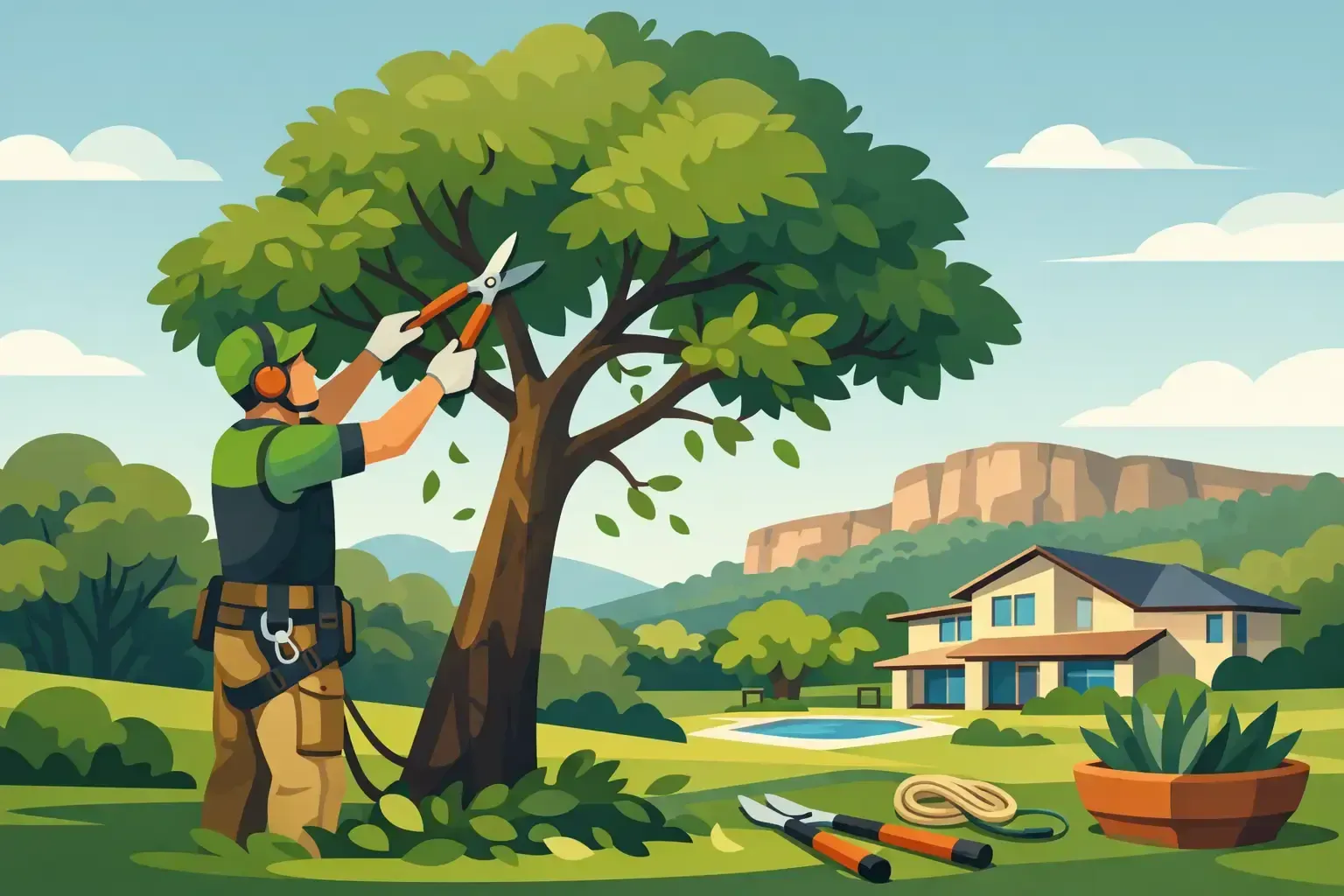
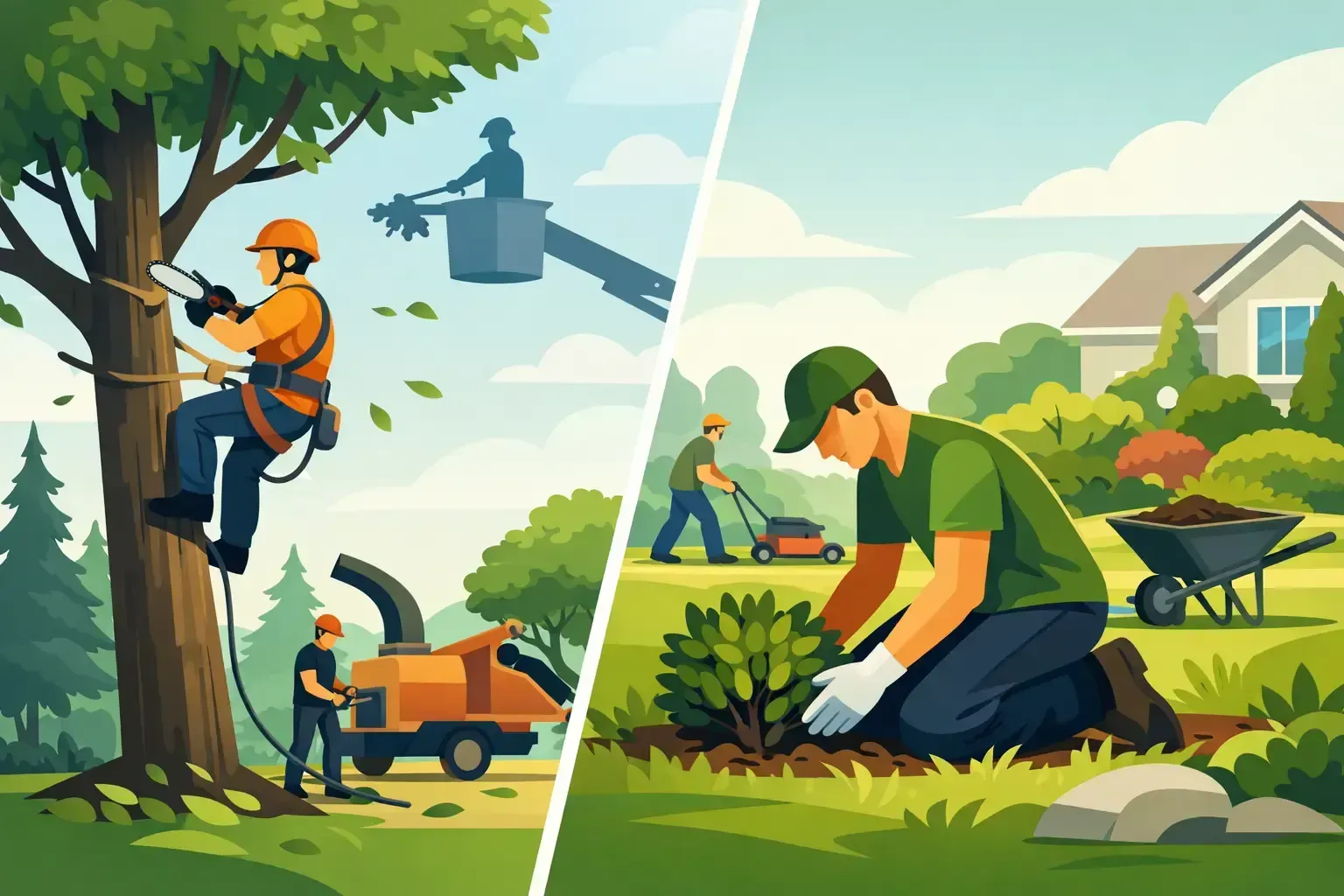
Routine maintenance should focus on structure and clearance, not indiscriminate cutting. Topping and rushed cuts can create weak regrowth, decay, and bigger problems down the road. Proper pruning is targeted work based on species, condition, growth habits, and the site's actual needs.
For large campuses, HOAs, ranch entrances, and managed communities, a multi-year plan can spread costs without ignoring risk. It may include annual priority pruning, rotating zone inspections, brush reduction along perimeter areas, soil care for valuable trees, and a storm-response protocol with clear points of contact.
Dynamo Dusty's Tree Service brings ISA-certified arboricultural judgment and wildfire risk reduction expertise to this kind of planning. The objective is simple: give property owners a clear picture of what needs attention now, what can be scheduled, and why each recommendation matters.
Choose a Partner Who Can Explain the Why
Commercial tree risk decisions should not feel like a high-pressure sales pitch. You deserve clear communication about the condition observed, the consequence of doing nothing, the available options, the work sequence, and the expected site cleanup. Ask for plain-language explanations and transparent pricing, particularly when a recommendation involves major removal or large-scale land management.
The right team also plans for the property around the trees. That means protecting access, coordinating with tenants or residents, managing traffic where needed, respecting landscape features, and leaving the site clean and usable. Fast work matters after a storm, but precision matters every day.
The best time to inspect a commercial property is before the next wind event, tenant complaint, insurance question, or blocked driveway forces the issue. Walk the site with trained eyes, make a practical plan, and give your trees the kind of attention that protects both the landscape and the people who rely on it.