
The morning after a Central Texas storm, a tree can look fine from the driveway and still be one strong gust away from failure. That is why storm damaged tree inspection matters. Not the casual glance most people do while holding coffee on the porch, but a disciplined, safety-first look at what the storm actually did to the tree, the roots, and everything nearby.
After wind, hail, or saturated soil, damage is not always dramatic. Sure, sometimes a limb is hanging over the driveway and the problem announces itself. More often, the real risk is quieter - a cracked union, a twisted canopy, root plate movement, or internal stress that does not show up until days or weeks later. If you manage a home, ranch, commercial site, HOA common area, or a larger piece of land, that delay is exactly what makes post-storm trees so tricky.
What a storm damaged tree inspection should actually look for
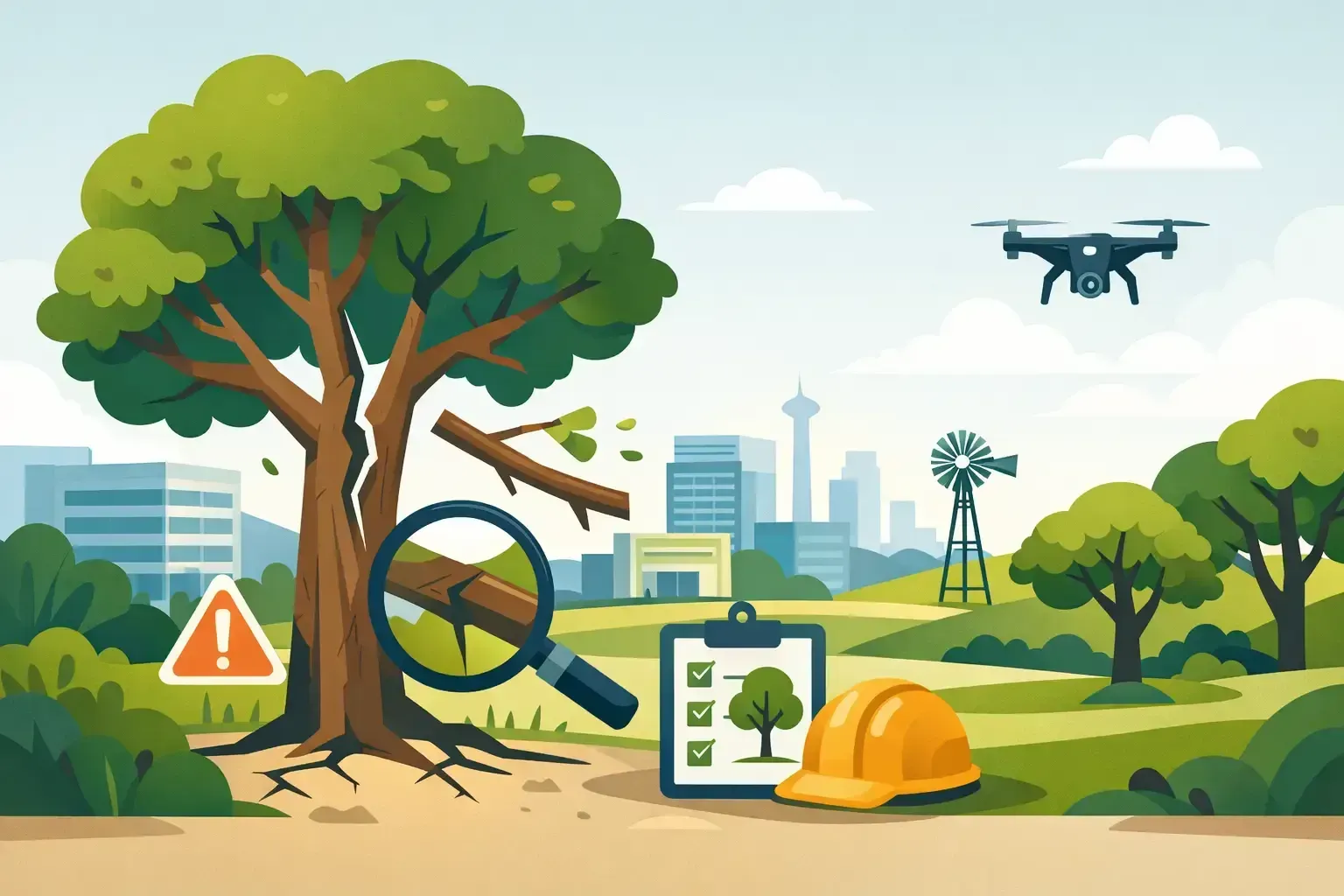
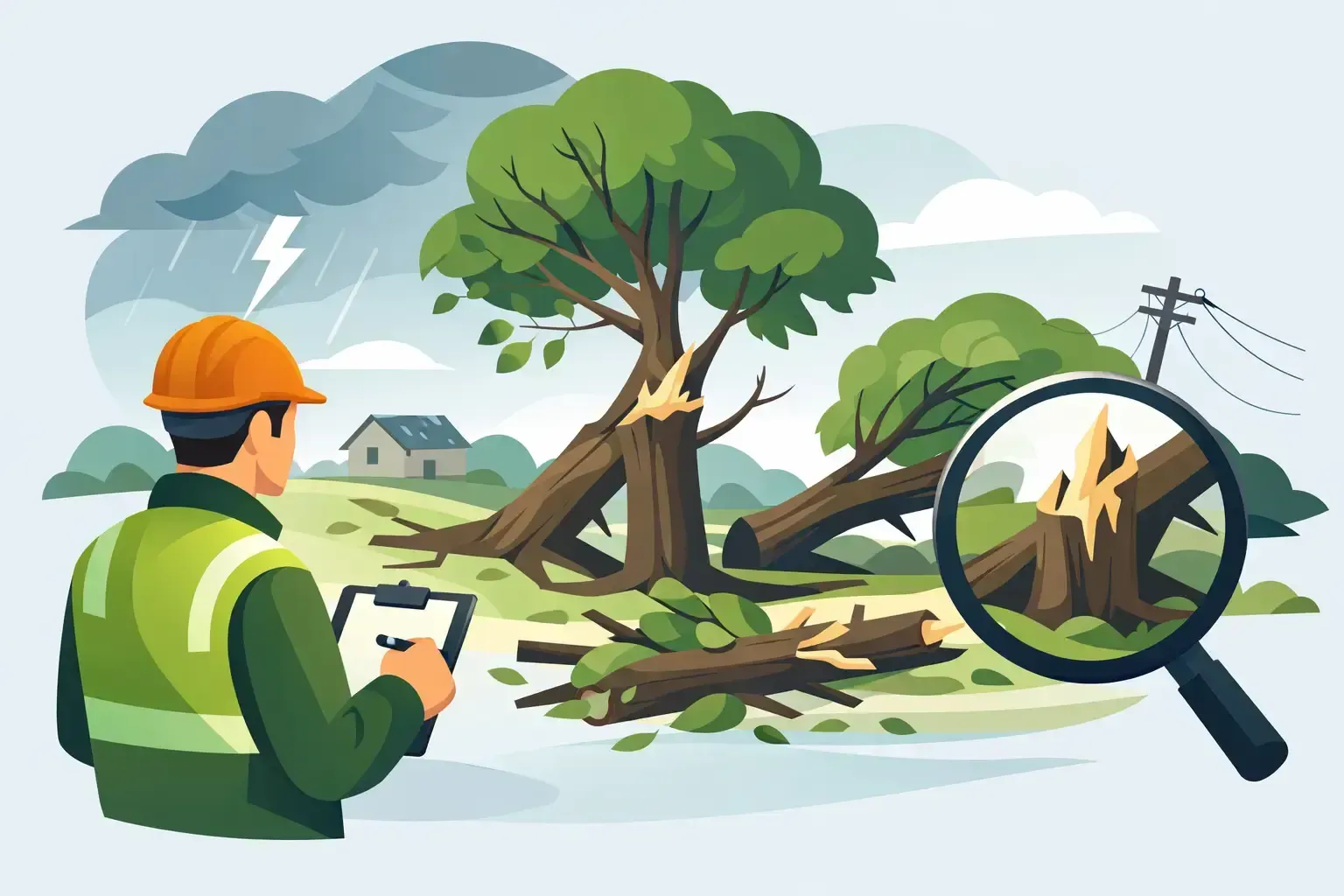
A proper inspection starts with the big picture. Before anybody talks about trimming, removal, or cleanup, the first job is to understand what changed. Did the tree lose structural balance? Has the soil shifted? Is there impact damage from another fallen tree or debris? Did the storm expose old weak points that were already developing before the weather hit?
The canopy tells part of the story. Broken limbs, split branch attachments, stripped bark, and torn foliage are obvious signals, but they are not the whole story. A tree can keep most of its leaves and still have dangerous structural damage. In fact, some of the most hazardous trees after storms are the ones that still look mostly upright and mostly green.
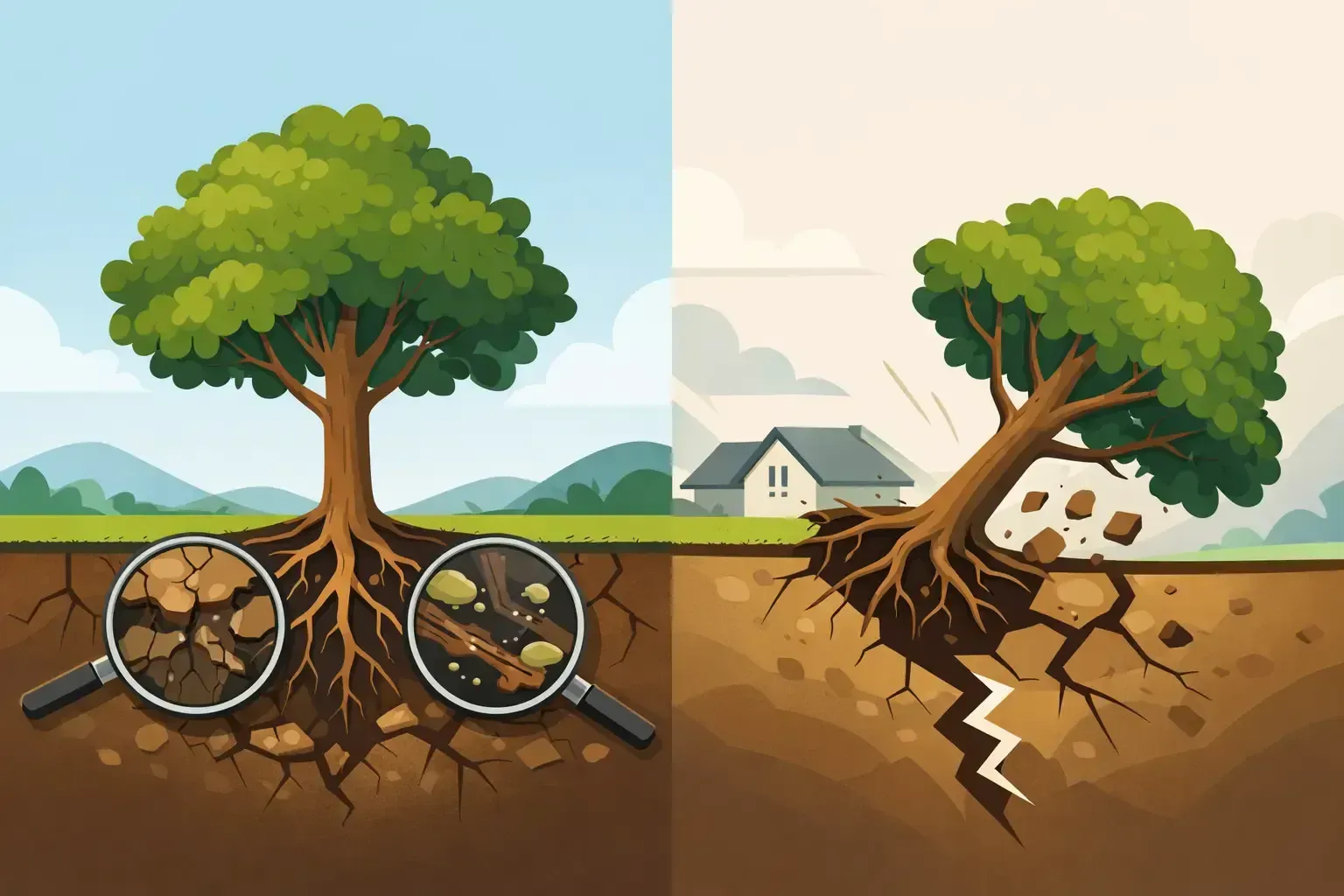
The trunk and root zone often reveal more than the top does. Fresh cracks, seams, leaning that was not there before, lifted soil, heaving around the base, and exposed roots all deserve attention. In saturated ground, especially on properties with slopes or shallow-rooted species, even a slight shift can mean the tree lost stability. That does not always mean immediate removal, but it does mean the tree should not be ignored.
Targets matter too. A damaged tree out in an open pasture is one situation. A damaged tree over a roof, gate, fence, parked vehicle, play area, roadway, or power-adjacent zone is a different level of urgency. Risk is never just about the tree. It is about what the tree can hit if it fails.
Why storm damage is not always obvious right away
Storms create both immediate breakage and delayed failure. Wind can overstress a branch union without snapping it on the spot. Heavy rain can soften the soil and weaken root anchorage even if the trunk stays upright for now. Hail can wound bark and create entry points for insects and disease that show up later, not the same afternoon.
That is why timing matters. A storm damaged tree inspection should happen as soon as it is safe, especially when there are signs of movement, hanging limbs, split trunks, or trees near structures. But there is also value in a follow-up look later, once the tree has had time to respond. Some defects become more visible after leaves wilt, bark dries, or stressed limbs begin to sag.
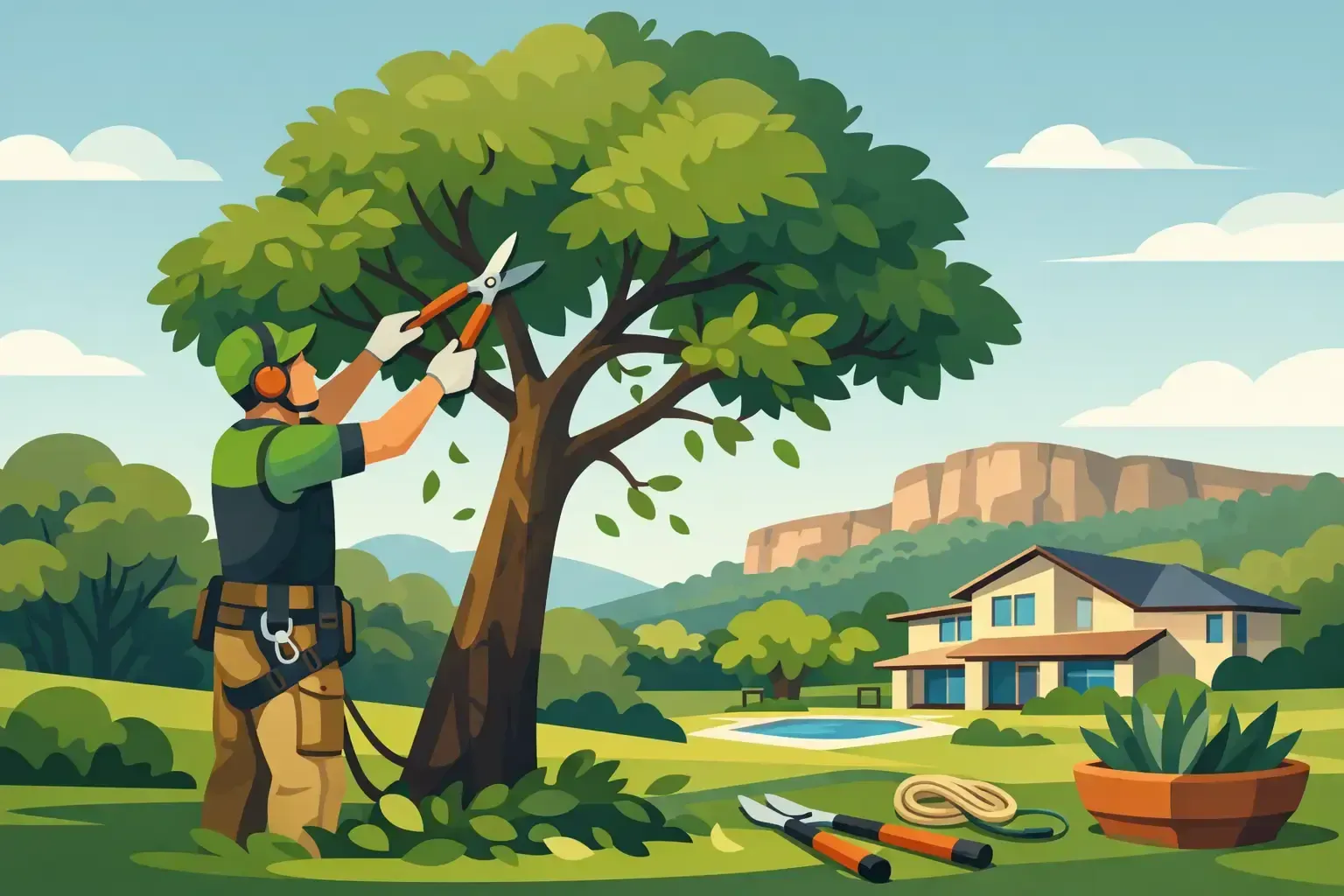
This is where experience earns its keep. Cleanup crews can remove debris. Arborists evaluate whether the tree is still structurally sound, whether it can be restored with precise pruning, or whether keeping it would create more risk than value. Those are not the same decision.
The biggest mistakes property owners make after a storm
The first mistake is assuming a tree is safe because it is still standing. Trees do not have to fall immediately to be dangerous. They can remain upright with hidden fractures and then fail during the next thunderstorm, the next windy afternoon, or under their own weight.
The second mistake is rushing straight to cutting without a plan. Fast action matters after a storm, but random cuts can make the situation worse. Poor reduction cuts, over-pruning, or removing the wrong limbs can destabilize a tree that might otherwise have been saved. On the flip side, trying to save every damaged tree can also backfire. Sometimes removal
is the most responsible call.
The third mistake is focusing only on visible debris. A driveway full of branches gets attention fast because it is obvious and inconvenient. But the branch that did not fall yet - the one cracked and suspended over the roofline - is usually the higher priority.
Insurance is another area where people lose time. If a tree hit a structure, documenting conditions early helps. Photos matter. A clear assessment matters. So does understanding the difference between storm cleanup and corrective tree work. One gets the mess off the ground. The other addresses what remains dangerous.
When a damaged tree can be saved and when it cannot
This is where the answer is almost always, it depends. Tree species, age, health before the storm, defect location, percent of canopy loss, root stability, and target exposure all play a role.
A healthy tree that lost a manageable portion of its canopy may recover well with proper pruning and monitoring. A tree with minor limb failure and no trunk or root damage often has a path forward. But if the main trunk is split, the root plate is lifting, or major scaffold structure is compromised, the odds change quickly.
Mature shade trees on established properties are worth serious consideration because replacement takes time. That said, sentimental value should not outrank safety. If a tree now poses a credible risk to people, homes, barns, vehicles, or access routes, that needs to be addressed directly. Good arboriculture is not about saving every tree at any cost. It is about making the right call for the tree and the property.
Storm damaged tree inspection for larger properties
On ranches, commercial grounds, HOA common areas, and larger lots, inspection has to be systematic. The challenge is scale. One damaged oak near the gate is easy to spot. The partially uprooted tree along a fence line, drainage swale, or internal road is easier to miss until it creates a much bigger problem.
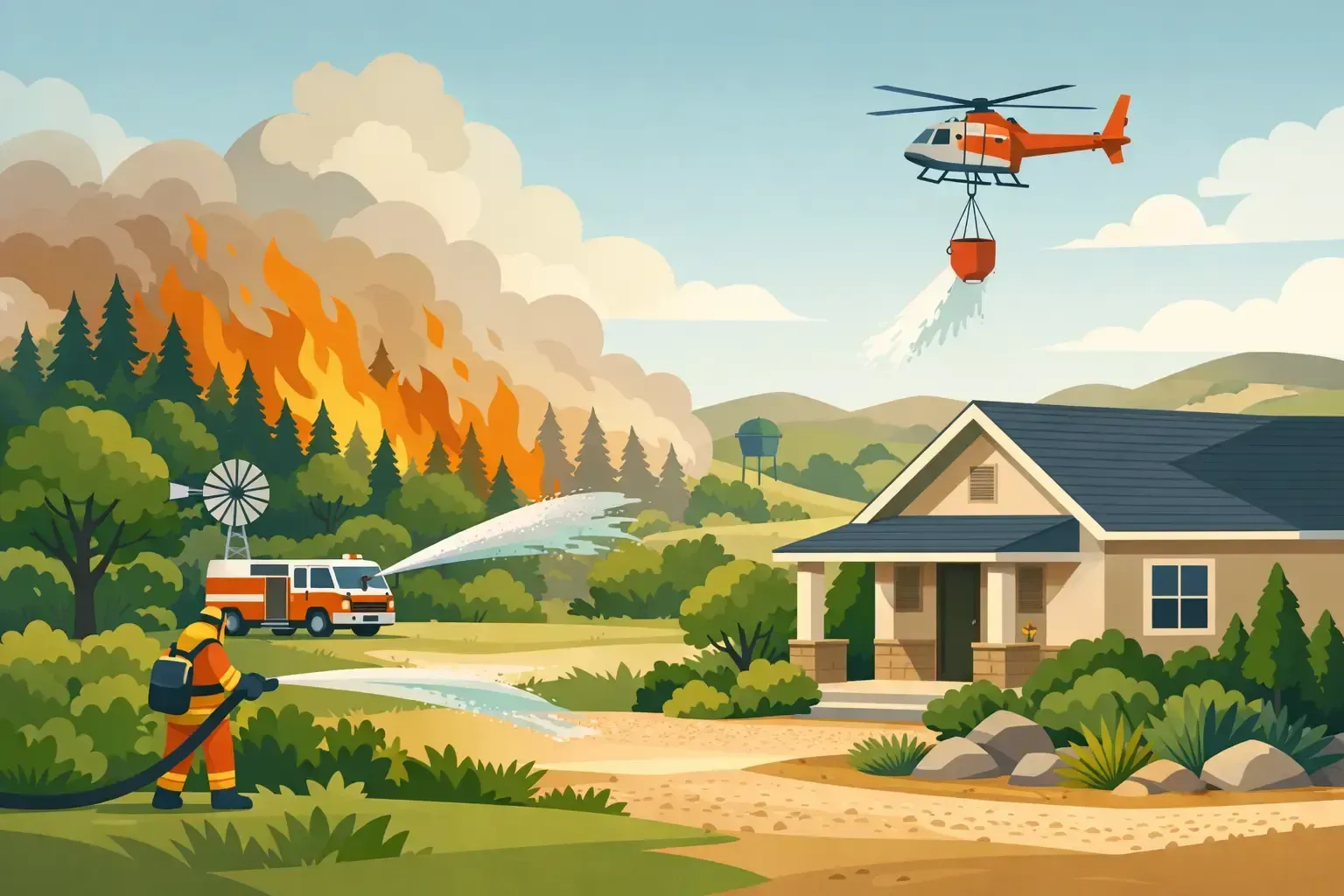
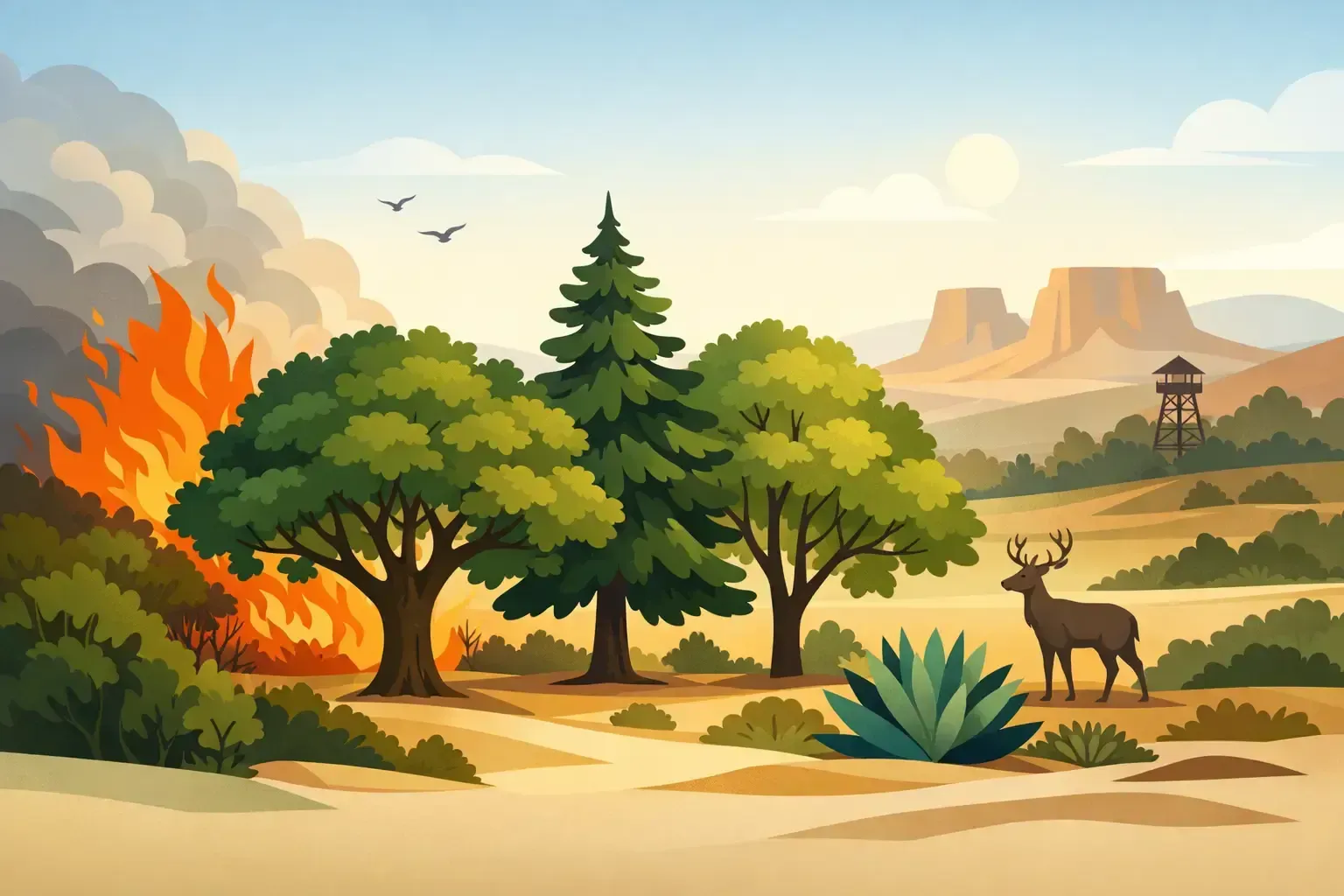
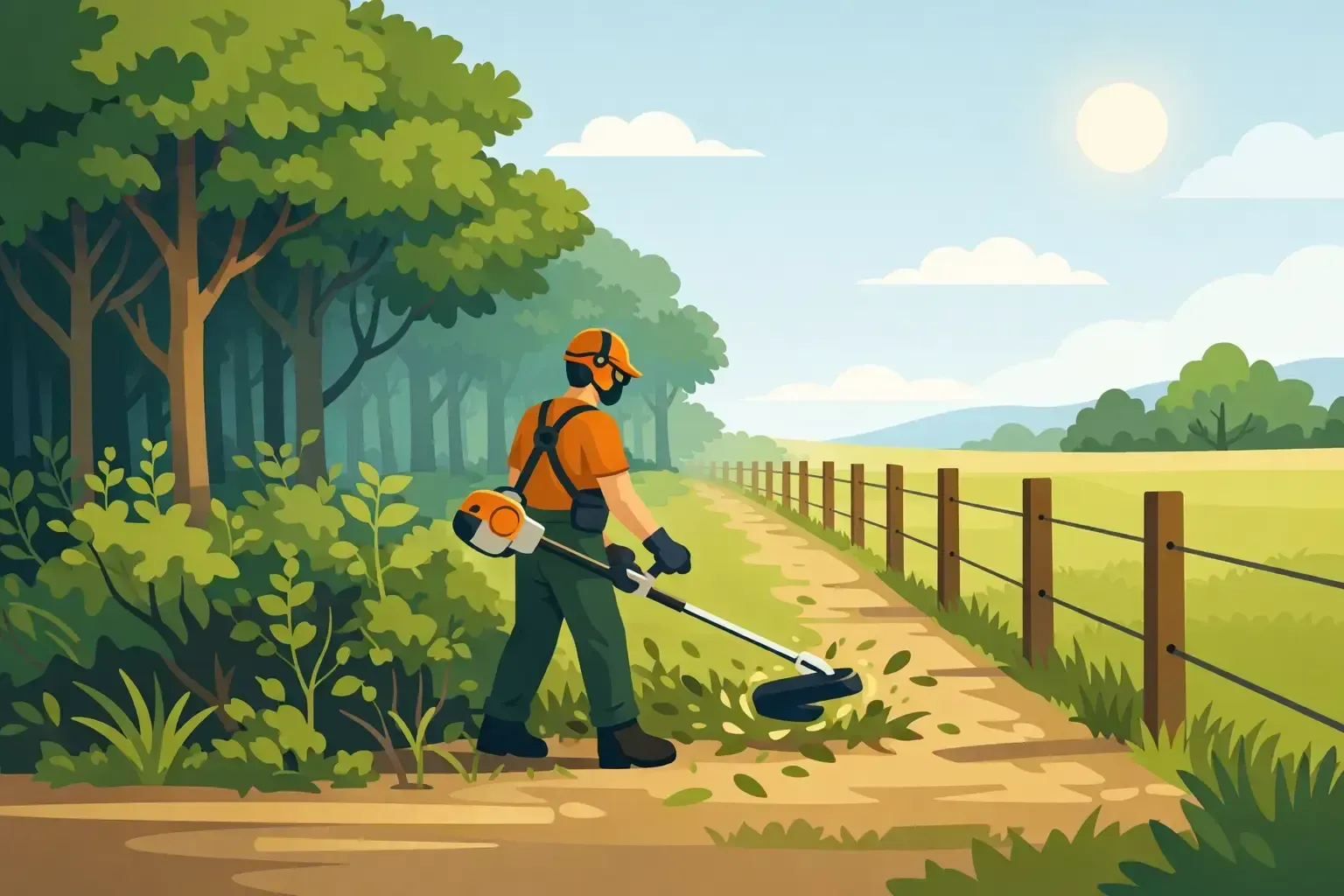
Large properties also tend to have layered risk. You may have tree hazards, blocked access, brush accumulation, fuel loading, and drainage impacts all happening at once. In Central Texas, that matters beyond storm recovery. Downed limbs and damaged woody material can quickly become a wildfire concern
once everything dries out.
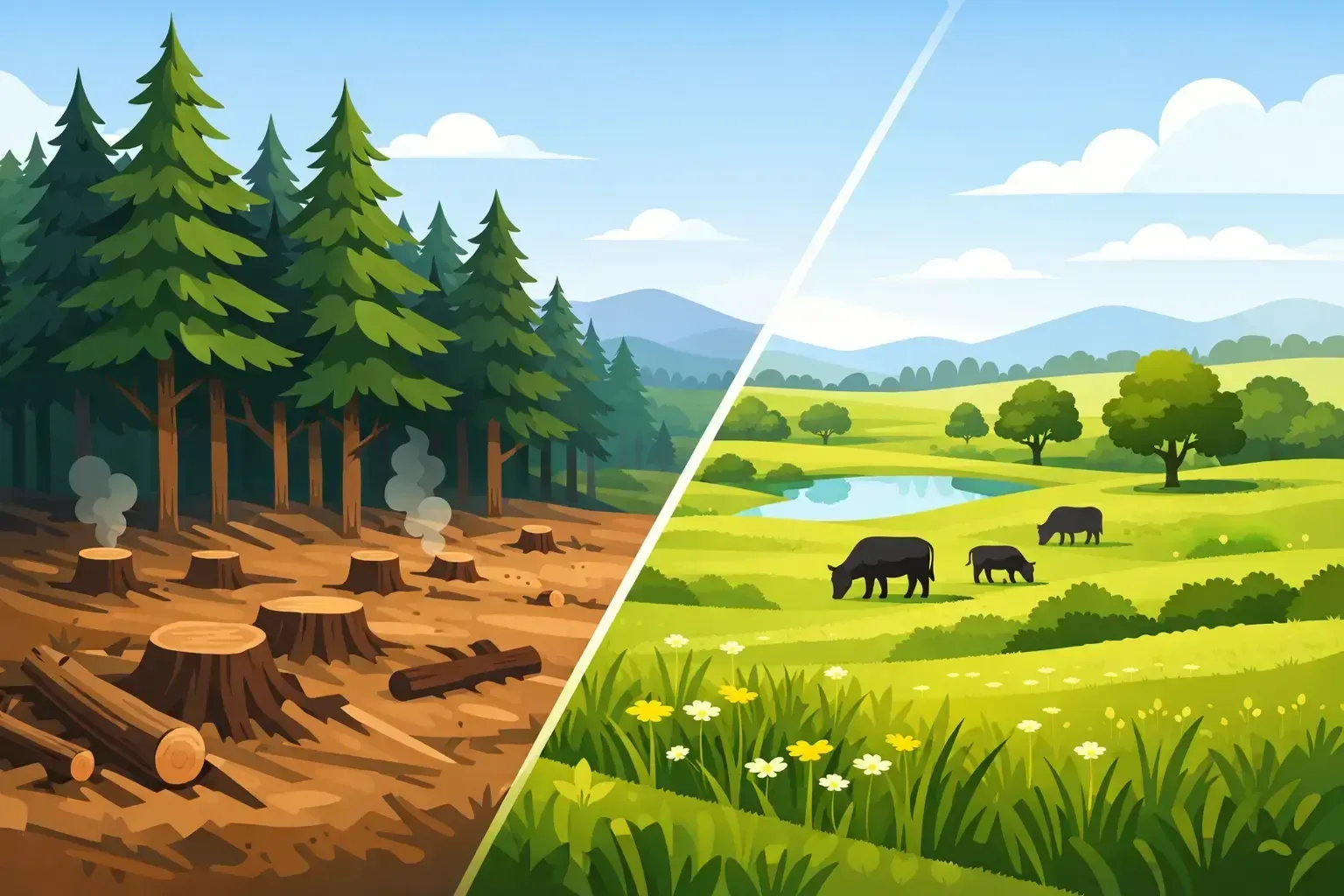
That is why post-storm assessment should not stop at immediate hazards. It should also look at how the storm changed the broader condition of the site. Sometimes the right response is selective pruning and cleanup. Sometimes it includes thinning, brush management, or removing stressed material that could become the next emergency.
What to do before the inspector arrives
First, keep people away from the area if there are hanging limbs, leaning trunks, or trees touching structures. Do not park under them. Do not let kids treat storm debris like a backyard obstacle course. And if utility lines are involved, stay clear and call the utility provider first.
Next, document what you can from a safe distance. Take photos of the whole tree, close-ups of visible damage, and any impact to structures or access points. If the damage affects multiple trees, note which areas are highest priority so the walkthrough starts where risk is greatest.
If possible, avoid making cleanup cuts yourself unless it is minor debris on the ground and clearly safe to handle. A lot of post-storm tree injuries happen when people try to force, pull, or cut wood that is still under tension. Storm wood can store energy in ways that are not obvious until it moves fast.
What good communication should sound like
A professional inspection should leave you with clarity, not confusion. You should understand which trees are urgent, which can be monitored, which can likely be restored, and which need removal. You should also know why. Not vague warnings, not chainsaw theater - clear reasoning tied to structure, risk, and practical next steps.
That matters because storm response is stressful enough. Property owners do not need sales pressure layered on top of a weather event. They need honest triage, transparent recommendations, and a crew that treats the property like it belongs to a neighbor, not a transaction.
For that reason, the best inspections are both technical and grounded. On one hand, the evaluator needs arboricultural judgment. On the other, they need to explain it in plain English so you can make a confident decision without guesswork.
Dynamo Dusty's Tree Service has built its reputation around that kind of disciplined response - fast when speed matters, precise when precision matters, and clear the whole way through.
A storm does not have to put your property in limbo for weeks. The right inspection turns uncertainty into a plan, and that is usually the first real step toward getting your land safe, sharp, and fully back under control.