
A live oak can look tough enough to outlast anything Central Texas sends its way - until one spring it drops leaves early, develops bare branch tips, or starts shedding bark near the base. Questions about oak tree health usually begin with a change you can see. The smarter move is not guessing from one symptom. Look at the whole tree, the soil around it, recent weather, and anything that changed on the property.
Oaks are built for hard country, but they are not invincible. Drought, compacted soil, construction damage, poor pruning, pests, disease, and storm stress can stack up over time. A tree may keep a green canopy while losing the root health and structural strength that make it safe. Here are the questions Central Texas property owners ask most often, plus the practical answers that help you decide what comes next.
Questions About Oak Tree Health Start With the Canopy
Why are my oak leaves turning yellow or brown?
Yellow or browning leaves do not automatically mean an oak is dying. During prolonged heat and drought, oaks may shed older leaves to reduce water demand. Live oaks also replace leaves in spring, and that seasonal leaf drop can look alarming if you have never seen it before. A brief, fairly even change in leaf color followed by healthy new growth is often normal.
The pattern matters. Leaves that brown from the edges inward, curl, and drop during hot weather can point to water stress. Yellow leaves with greener veins may suggest a nutrient availability issue, often tied to high-pH soil or stressed roots rather than a simple lack of fertilizer. Dark spots, blotches, or unusually distorted leaves can signal disease or insect activity.
Before adding fertilizer or turning on the sprinkler every day, check the root zone. Oaks benefit more from deep, infrequent watering during dry stretches than from shallow daily watering. Water should soak into the soil across the area beneath the canopy, not pile up against the trunk. If the ground is hard as concrete, water may be running off instead of reaching roots.
Is spring leaf drop normal for a live oak?
Usually, yes. Live oaks commonly shed old leaves as new leaves push out in late winter or spring. For a short period, the canopy can look thin, pale, or downright rough. That does not necessarily call for removal, aggressive pruning, or panic.
The concern rises when leaf drop is paired with dead branch tips, a sparse canopy that does not refill, fungal growth at the base, peeling bark, or soil disturbance around the tree. Healthy seasonal turnover happens across much of the canopy. Decline often looks uneven, with certain limbs or one side of the tree struggling more than the rest.
Why is one section of my oak dying back?
Dieback on one limb or one side can come from several sources: old storm damage, a pruning wound, root injury, disease, boring insects, or a branch that has simply lost its connection to a healthy supply of water and nutrients. Oaks compartmentalize damage rather than healing it the way skin heals. A wound may remain visible for years, and decay can develop behind what looks like a small exterior problem.
Dead wood should be evaluated and removed
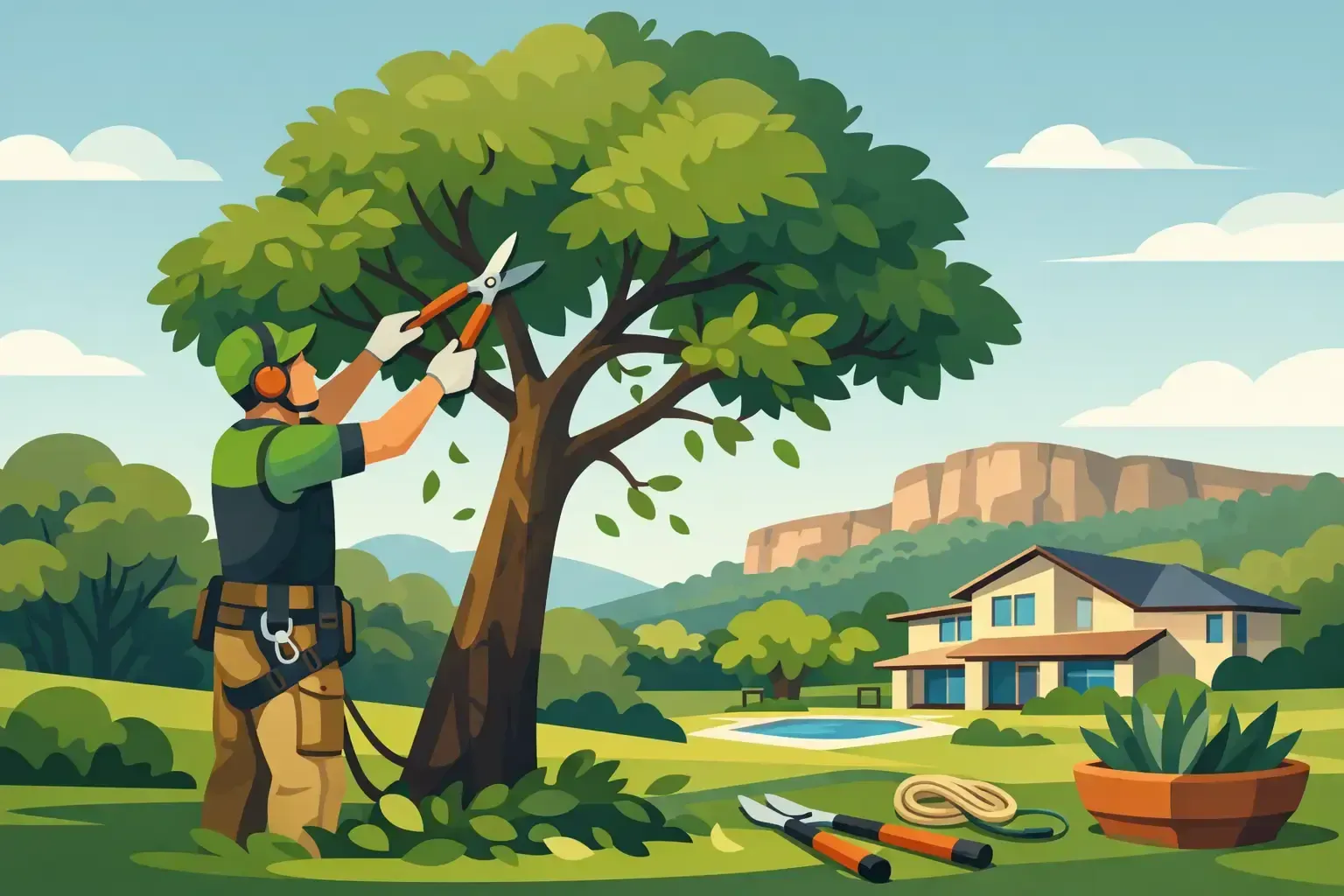
with a plan, especially above roofs, driveways, fences, play areas, or livestock zones. But cutting back every branch that looks questionable is not precision care. Excessive pruning creates more stress and more wounds. The goal is to remove hazards and preserve the tree's natural structure.
What the Trunk, Roots, and Soil Are Saying
Is bark coming off my oak a bad sign?
Sometimes bark plates loosen naturally as a tree grows, particularly on mature oaks. Small patches of loose outer bark are not automatically an emergency. What demands attention is fresh bark loss around a wound, a vertical crack, sunken or discolored areas, oozing, sawdust-like material, mushrooms near the trunk flare, or bark falling away to reveal soft, decayed wood.
The base of the tree deserves a close look. Soil, mulch, stone, or landscaping piled high against the trunk can trap moisture and hide early trouble. The root flare, where the trunk widens into the main roots, should be visible. A tree planted too deeply or buried by years of added soil may slowly decline because its roots cannot function properly.
Can compacted soil hurt a mature oak?
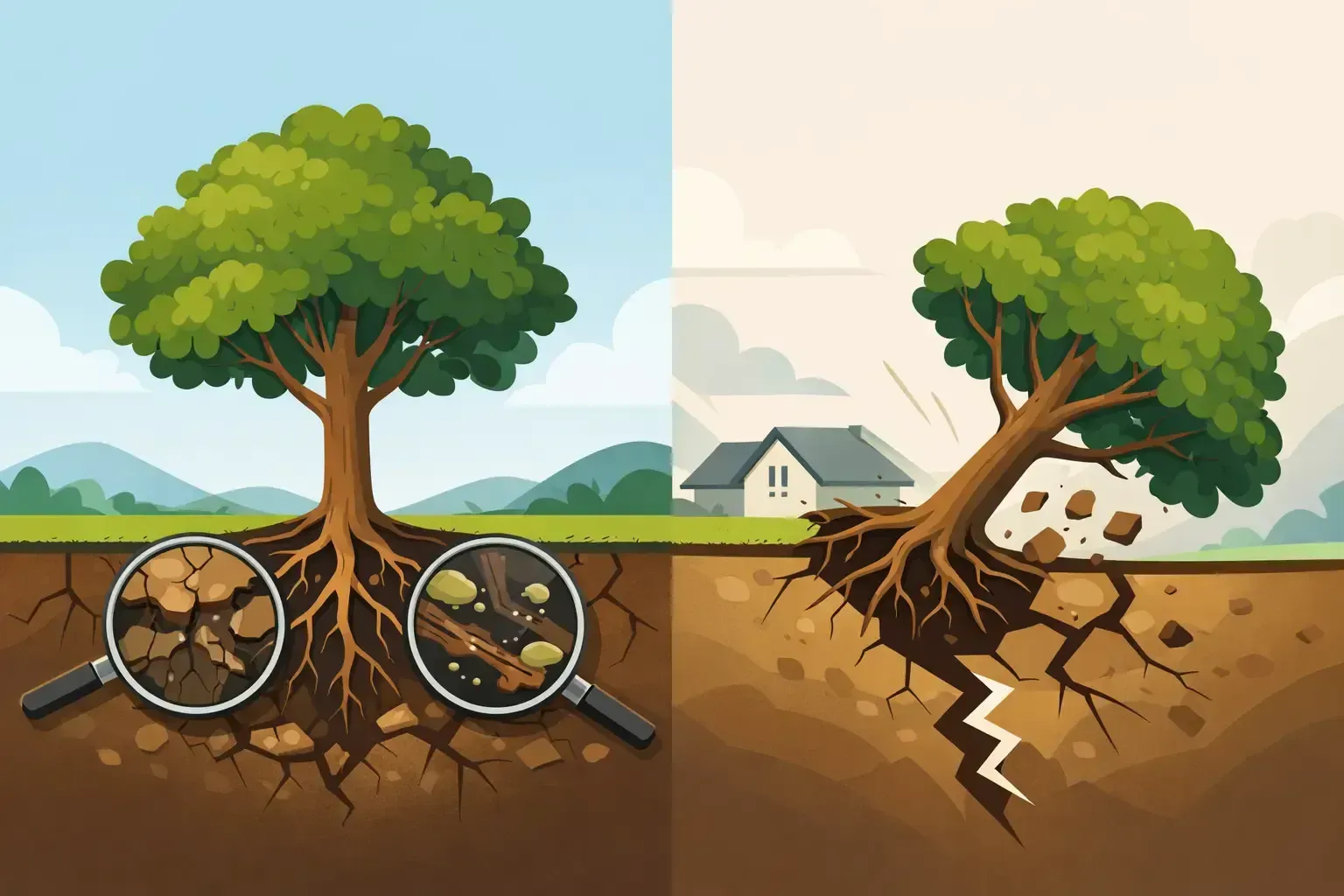
Absolutely. Mature trees do not keep all their working roots directly below the trunk. Many feeder roots occupy the upper layers of soil and extend well beyond the branch spread. Repeated vehicle traffic, equipment staging, new patios, trenching, grade changes, and heavy construction materials can compact or cut those roots.
The frustrating part is timing. A damaged oak may look fine for a season or two, then begin thinning, declining, or developing dead limbs. That delayed response leads many property owners to miss the connection. If you are planning a driveway, pool, utility line, ranch improvement, or new structure near valuable oaks, involve a qualified arborist before the work begins. Root protection is far less expensive than trying to rescue a compromised tree afterward.
Should I put mulch around my oak?
Yes, when it is done correctly. A broad layer of natural wood mulch helps conserve moisture, moderate soil temperature, and support the biology that roots rely on. Keep it a few inches deep, spread it wide, and pull it back from the trunk. The popular mulch volcano - a tall mound touching the bark - holds moisture where it does not belong and can encourage decay and root problems.
Mulch is a support tool, not a cure-all. It will not correct extensive root loss, severe compaction, or an active disease issue overnight. Still, for stressed trees on hot, dry Central Texas properties, improving the soil environment is often one of the highest-value moves available.
When Is an Oak a Safety Concern?
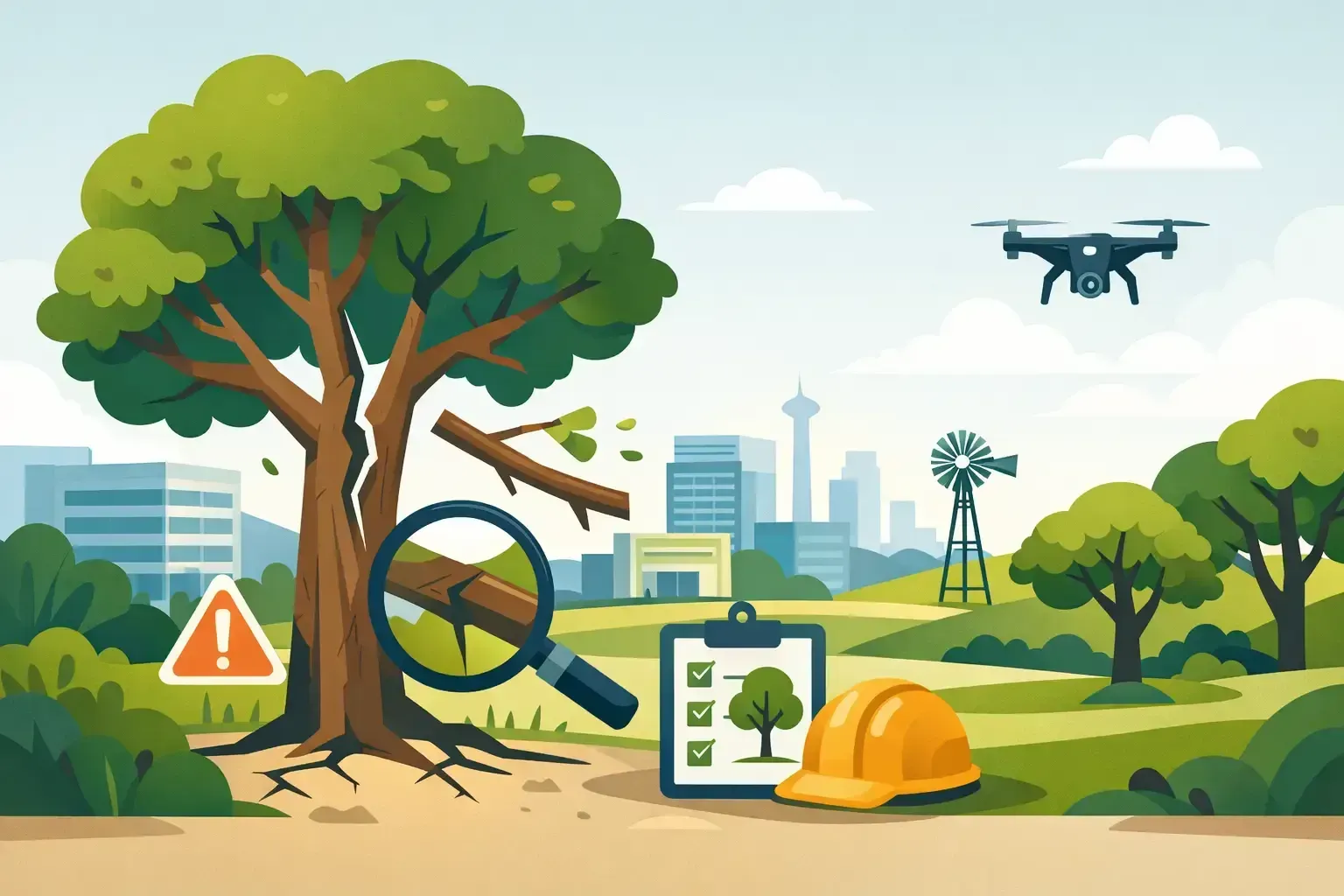
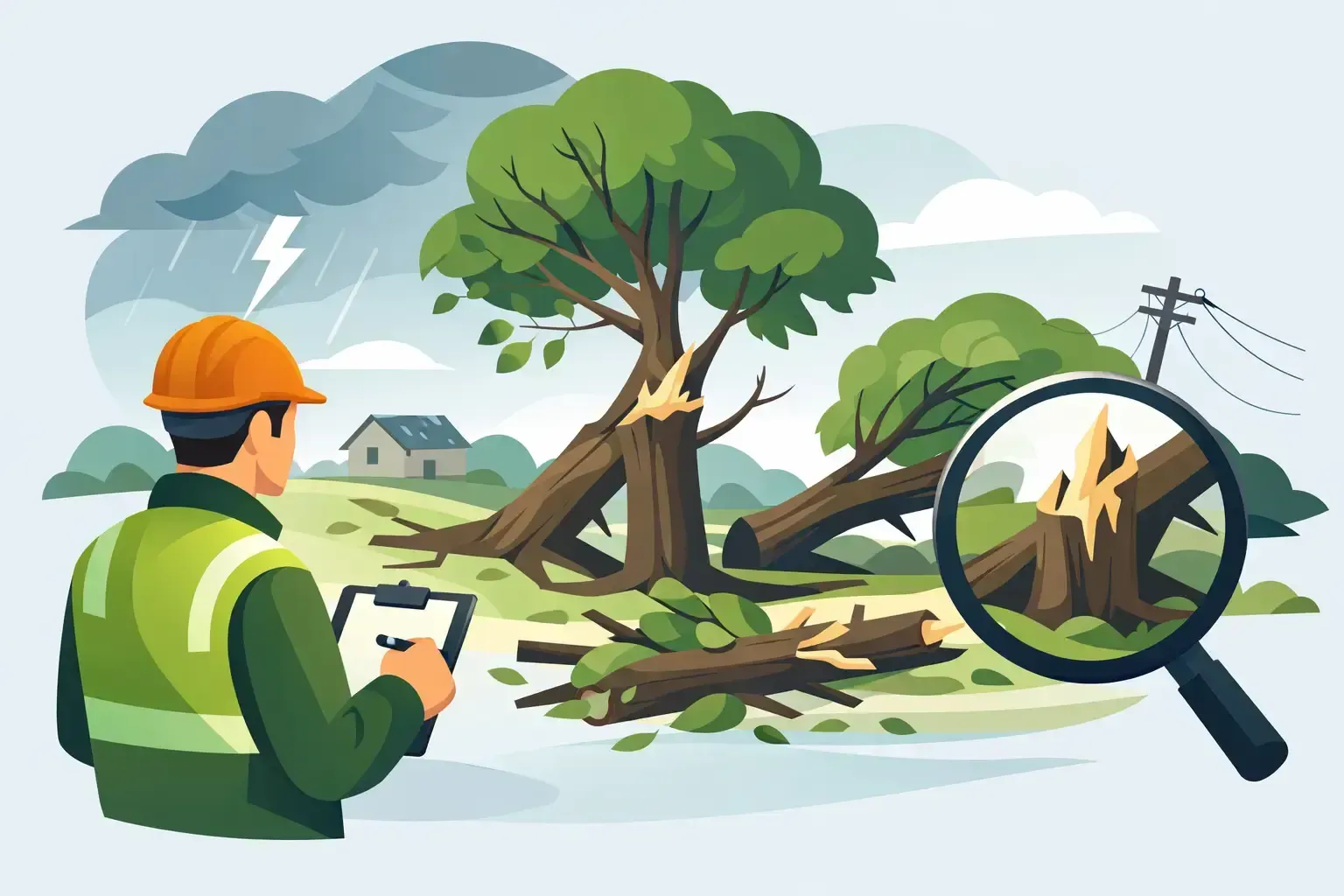
A healthy-looking canopy does not guarantee a safe tree. Structural problems can be hidden in branch unions, old wounds, or root systems. After storms, pay attention to new leans, lifted soil near the base, hanging limbs, cracks that were not there before, large broken tops, or branches resting on utility lines. Keep people, vehicles, and pets away from the area until the hazard is assessed.
Do not try to pull down a hung-up limb with a rope, make random cuts from the ground, or park under a damaged canopy while waiting. Storm-damaged wood is unpredictable, and a branch that appears stable can shift without warning. Emergency response
is about controlling the immediate risk first, then making the right pruning or removal decision once the site is secure.
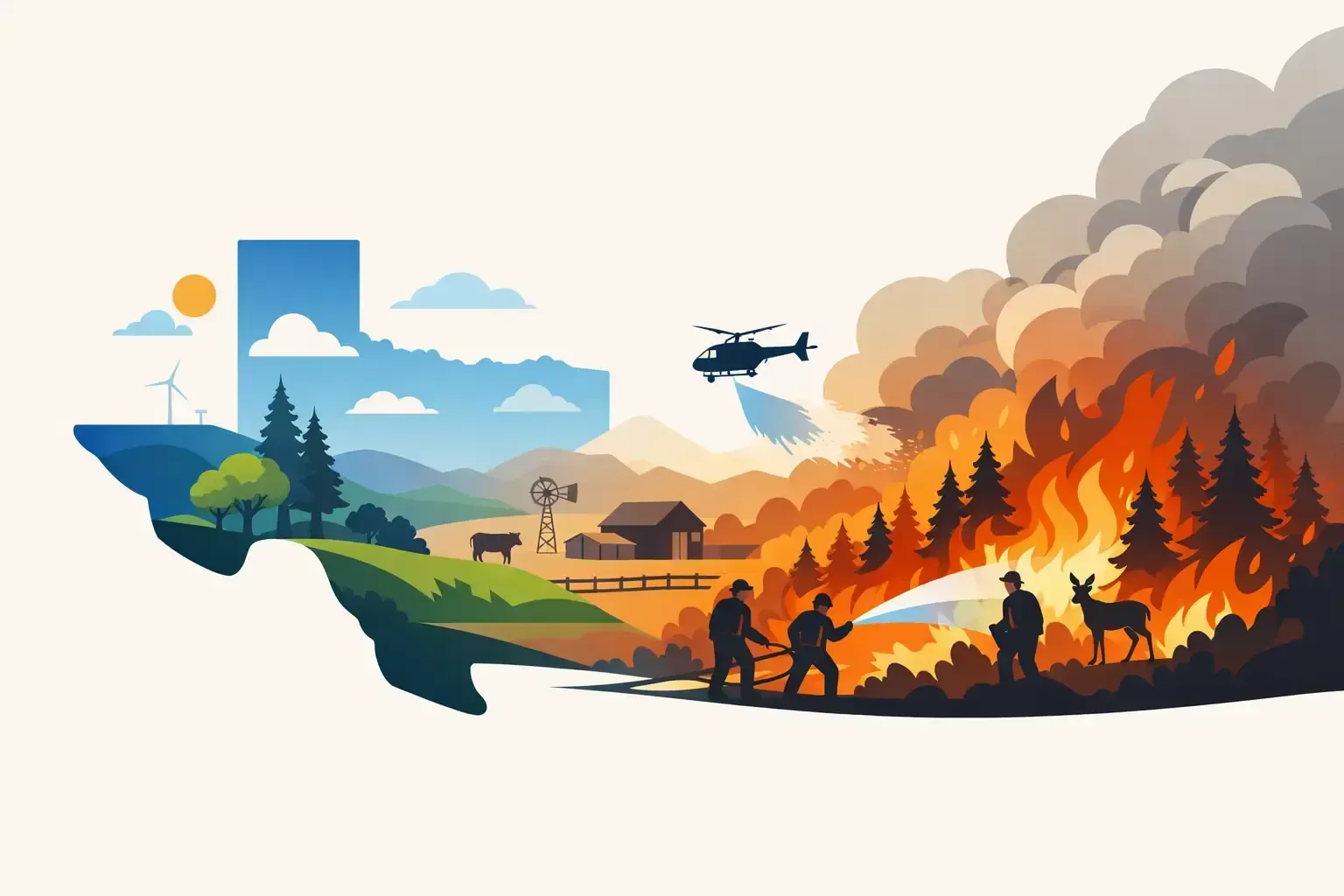
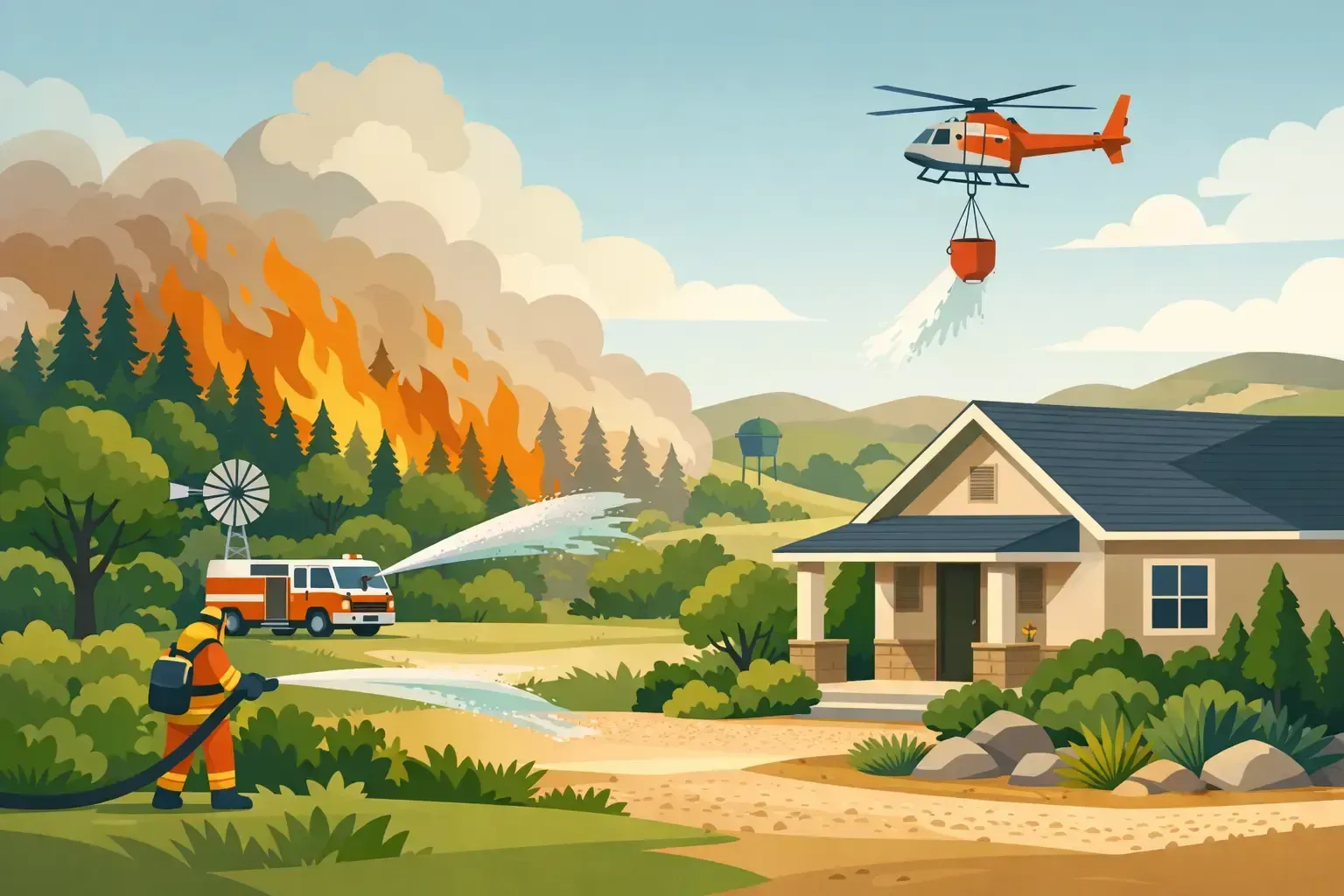
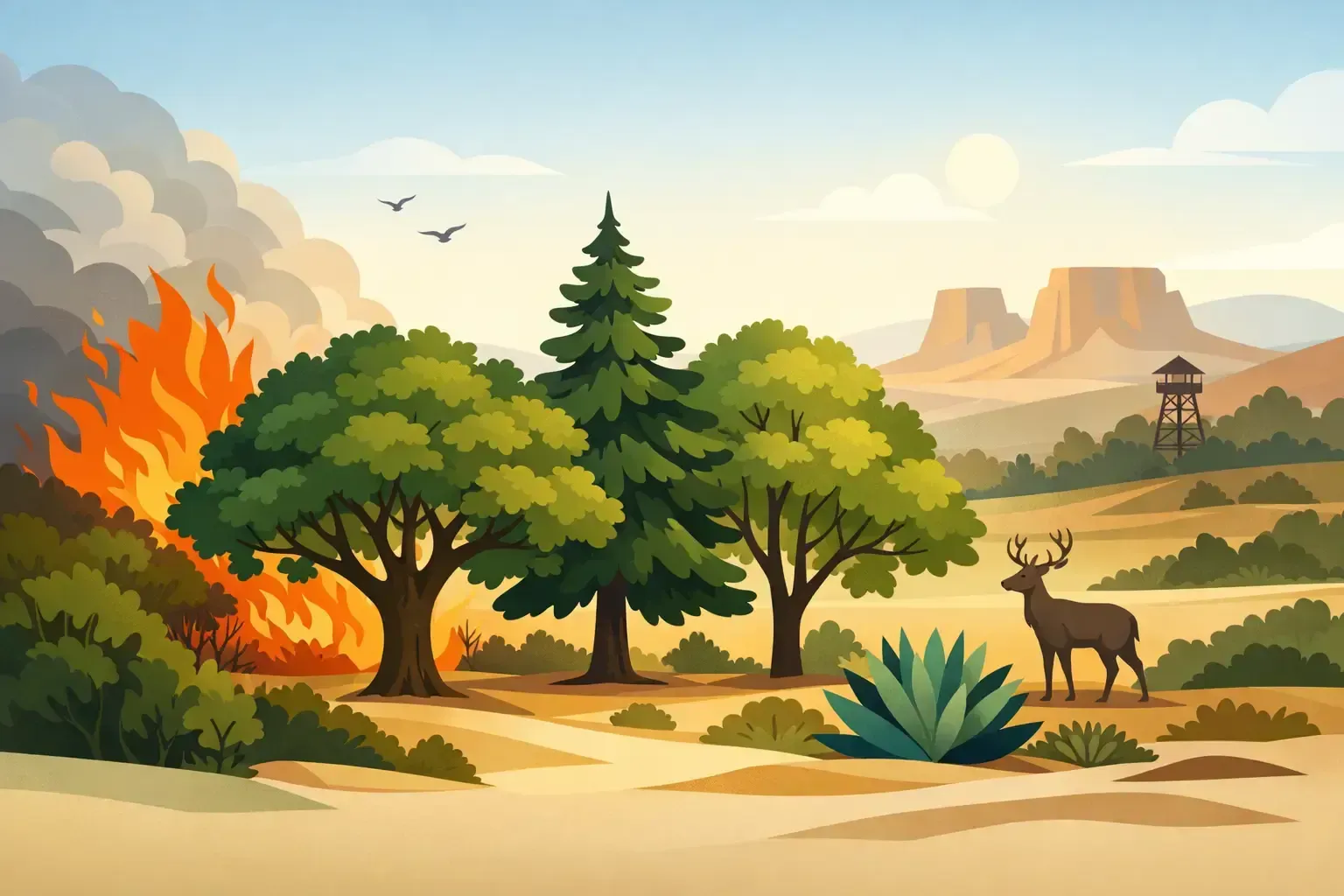
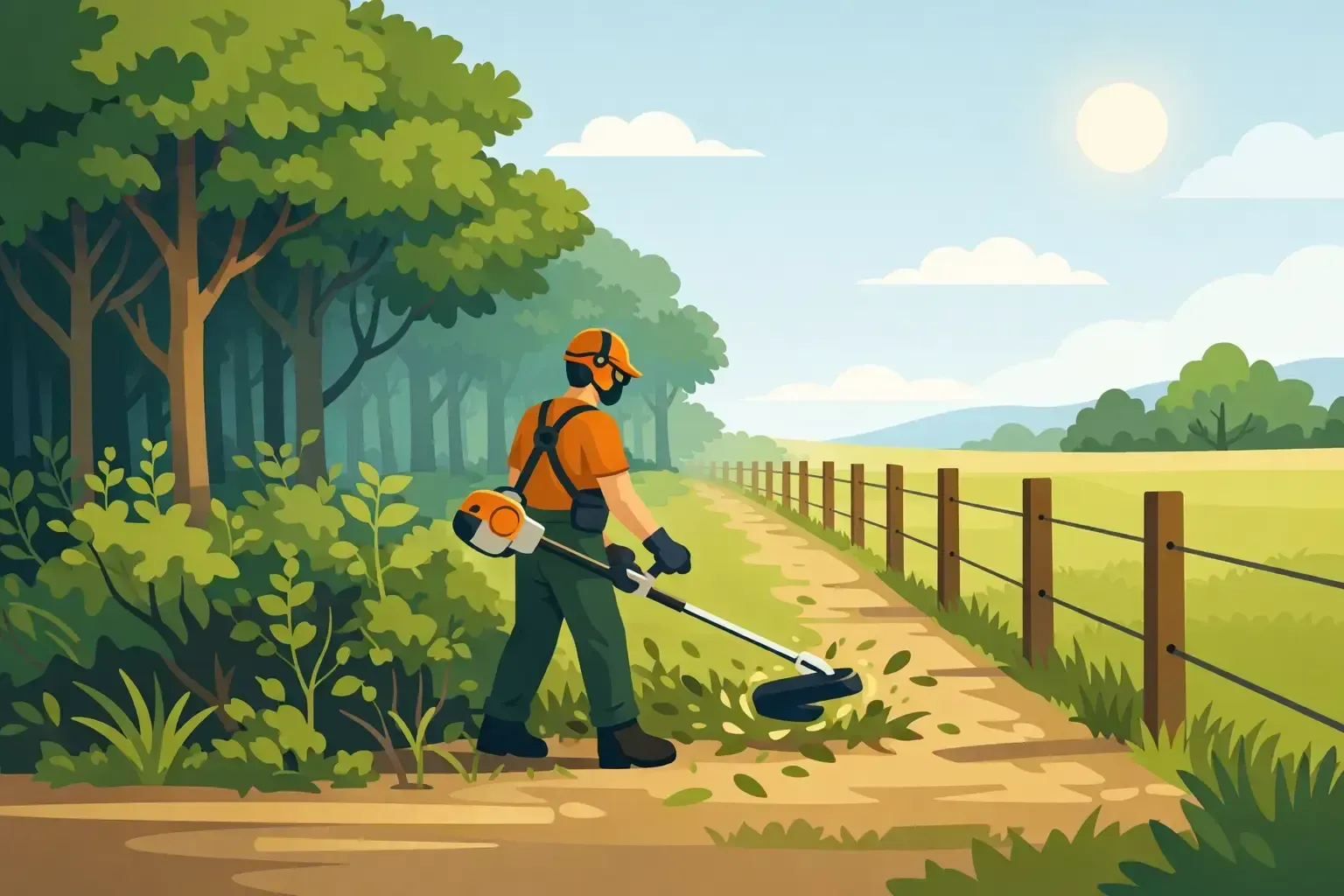
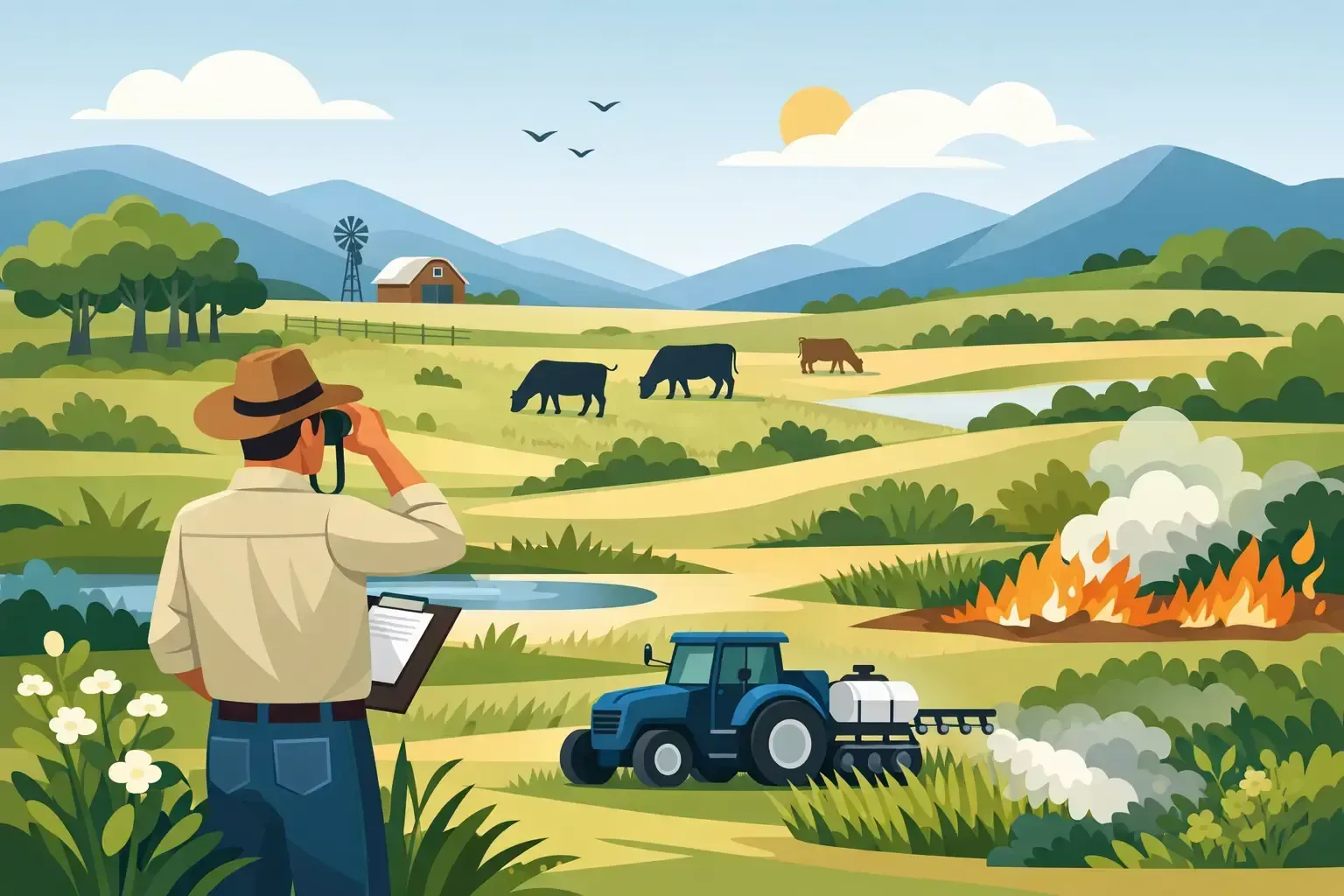
For rural properties and neighborhoods near dense brush, oak health also connects to wildfire readiness. Low dead limbs, crowded understory growth, and accumulated leaf litter can carry fire toward the canopy or a structure. The right treatment depends on the tree, terrain, and defensible-space plan. Clearing everything is not the answer. Thoughtful thinning and fuel management can reduce risk while protecting the shade, privacy, and habitat that make the property valuable.
When Should You Call an Arborist?
Call for an assessment when symptoms persist beyond normal seasonal changes, when decline is spreading, or when a tree could affect people or property if it fails. A certified arborist can separate cosmetic concerns from real health and structural issues, then recommend a scope that fits the tree instead of selling a one-size-fits-all service.
Ask what the crew observed, what may be causing it, what work is urgent, and what can be monitored. Good tree care should come with clear reasoning. It may involve selective pruning, soil remediation, watering adjustments, root-zone protection, pest or disease management, hazard reduction, or, in some cases, removal. There are trade-offs. An old oak with significant decay may be worth preserving in a low-use area but unacceptable beside a home, roadway, or gathering space.
Dynamo Dusty's Tree Service approaches oak assessments with ISA-certified expertise and a disciplined, property-wide view. That means looking beyond the branch that caught your eye and identifying the conditions that may be working against the tree.
Your oak does not need perfection to be healthy, and every brown leaf is not a crisis. But changes in a mature tree are worth reading early. A careful look now can protect a shade tree that took decades to grow, keep a manageable issue from becoming a hazard, and give you a clearer plan for the ground it stands on.