

A Central Texas thunderstorm can turn one overlooked limb into a crushed fence, blocked driveway, or damaged roof in minutes. Knowing how to prepare trees before storms
is not about making every tree look perfectly manicured. It is about finding weak points early, protecting the root system that holds the tree in place, and making smart decisions before high winds make those decisions for you.
For homeowners, ranch owners, HOAs, and commercial property managers, the best storm plan starts well before the weather alert hits your phone. A well-maintained tree is more likely to flex with wind, shed water properly, and remain anchored when the ground gets saturated.
How to Prepare Trees Before Storms: Start With a Real Inspection
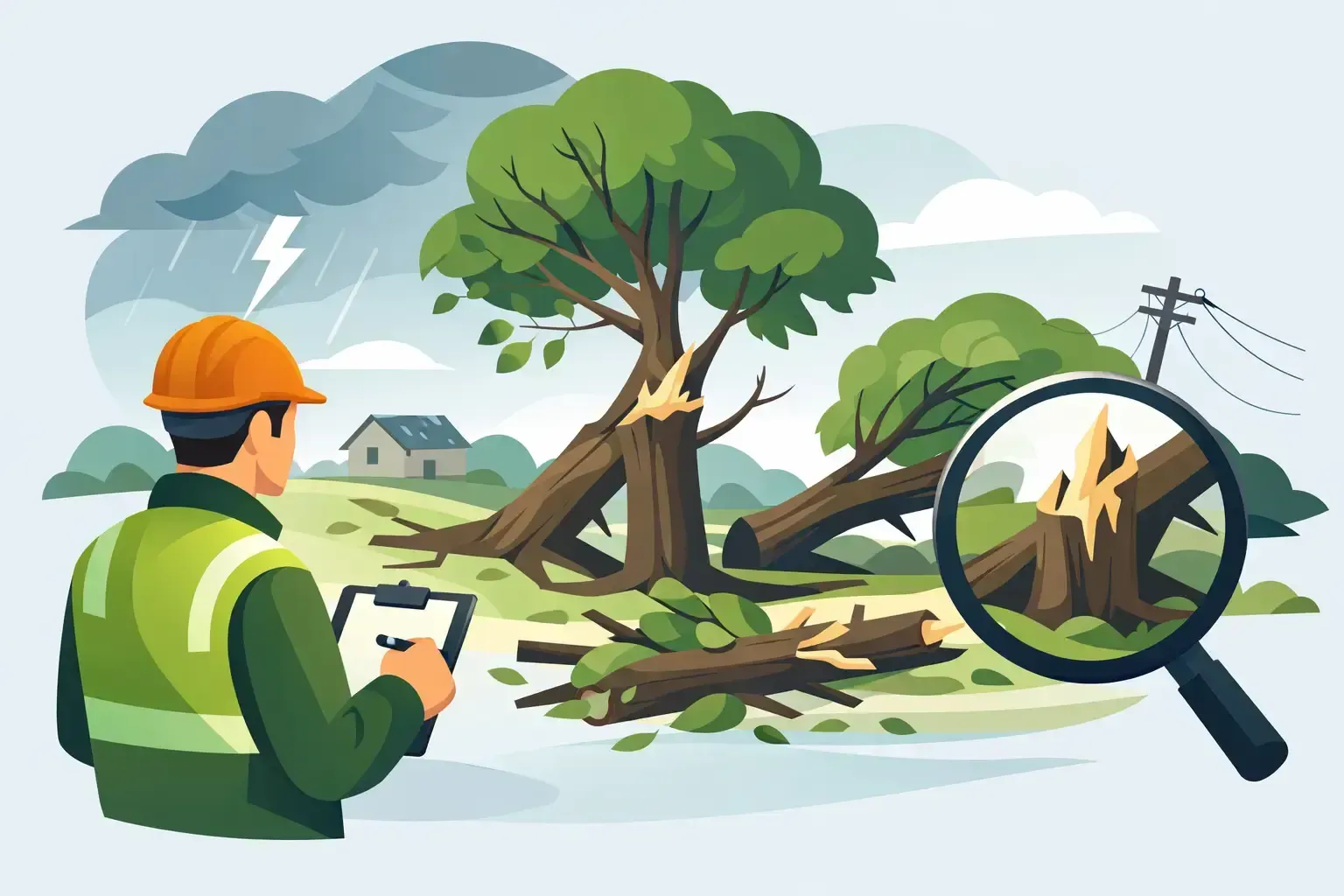
Walk your property after a calm day, when you can look up and around without rushing. Focus first on trees near homes, parking areas, driveways, utility lines, livestock fencing, play spaces, and outdoor equipment. These are the trees where a failure carries the biggest consequence.
Look for dead, broken, hanging, or visibly cracked branches. Also watch for limbs that extend far beyond the rest of the canopy, branches rubbing against each other, and tight V-shaped branch unions where two stems meet at a narrow angle. Those weak unions can split under the added force of wind and rain.
The trunk tells an equally important story. Fresh cracks, peeling bark, cavities, mushrooms at the base, or a new lean deserve attention. A leaning tree is not automatically a dangerous tree - some trees naturally grow at an angle - but a recent change in lean, lifted soil on one side of the root plate, or exposed roots after erosion should be assessed promptly.
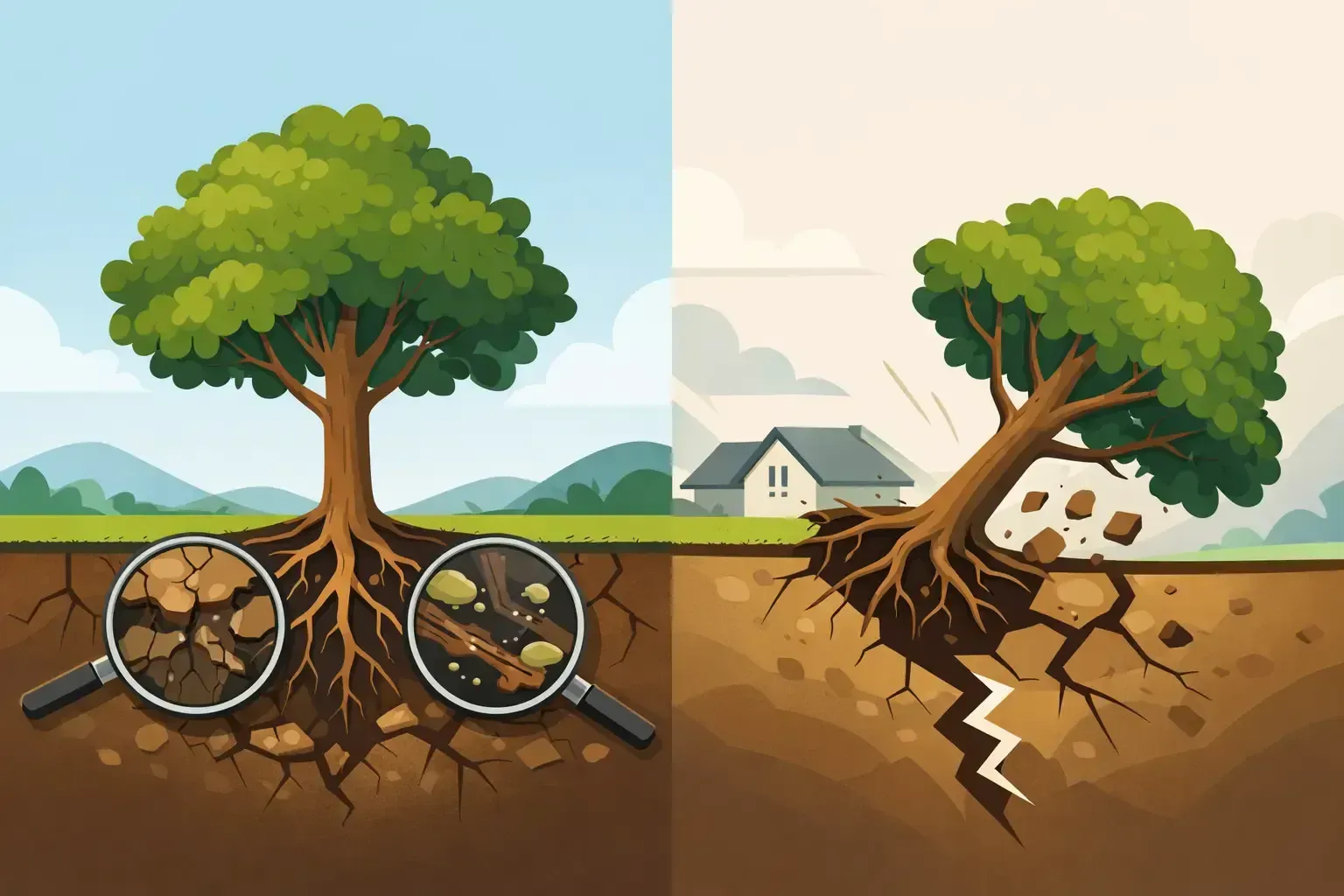
In the Hill Country and across the Austin area, shallow, rocky soil adds another layer of risk. A tree can look strong above ground while struggling with limited rooting space below it. Heavy rain can soften already stressed soil, and strong wind can then take advantage of weak anchorage.
Prune for Strength, Not for a Bare Canopy
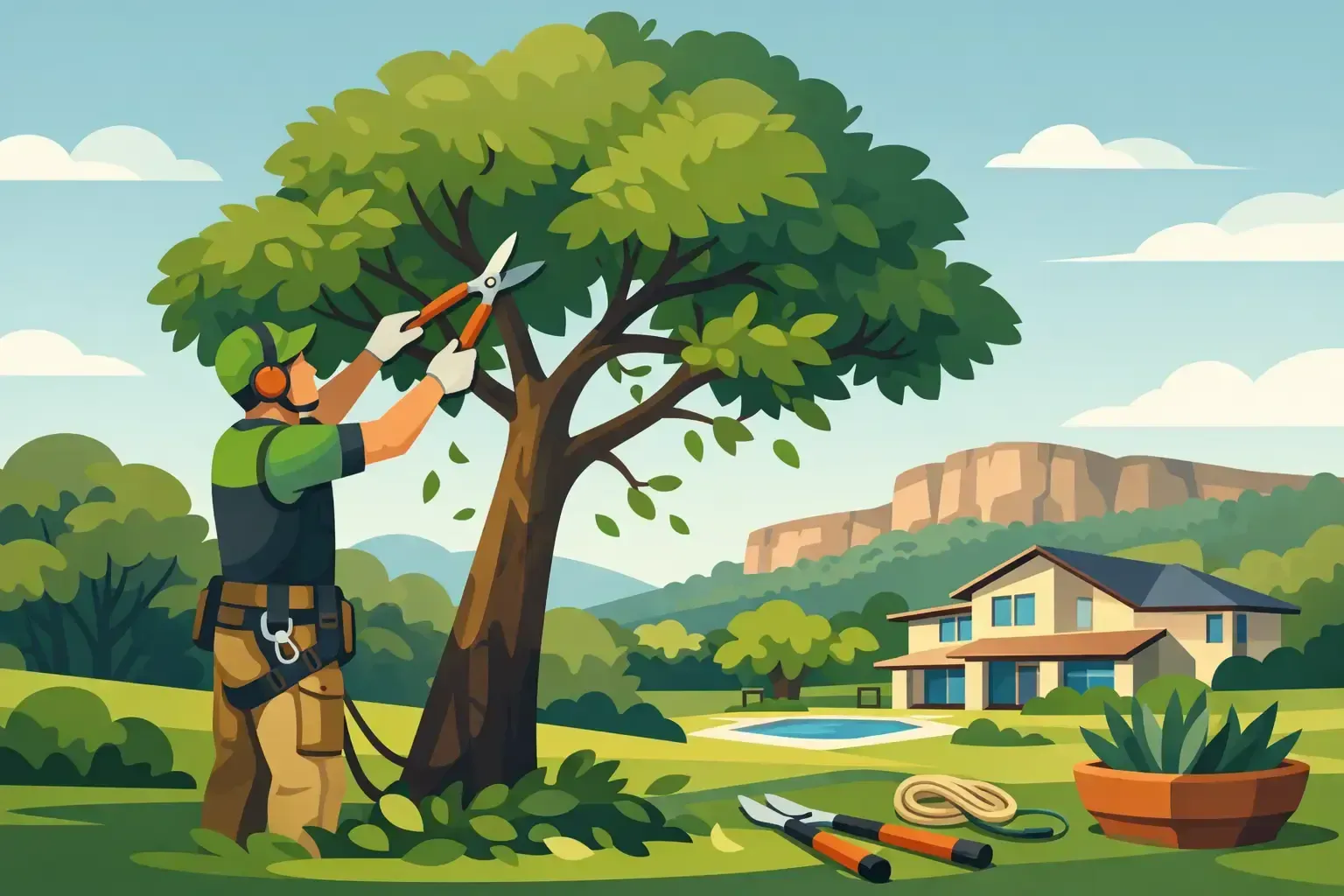
Thoughtful pruning
is one of the most effective ways to reduce storm damage. The goal is to remove hazards and improve structure while preserving enough healthy foliage for the tree to produce energy and recover.
Deadwood removal comes first. Dead branches do not bend well, and they often fail without warning during wind events. Next, a qualified arborist may selectively reduce overextended limbs, remove branches with poor attachments, and create better spacing between major limbs. That improves airflow through the canopy without gutting the tree.
Avoid topping, which means cutting major limbs back to stubs or making broad, indiscriminate cuts across the canopy. Topping may make a tree look smaller for a short time, but it often triggers weak, fast-growing shoots and creates large wounds that invite decay. A topped tree can become more hazardous, not less, in future storms.
Over-thinning is another common mistake. Removing too much live canopy at once can stress the tree, expose bark to harsh Texas sun, and alter how the tree handles wind. Storm preparation is precision work, not a race to remove as much material as possible.
Timing Matters, But Hazards Should Not Wait
Routine pruning is often best scheduled around a tree's species, health, and seasonal growth cycle. However, a dead limb over a roof or a cracked leader near a driveway is not a "wait until later" issue. When there is a clear target below a compromised branch, address it before the next severe-weather system arrives.
Oak trees require extra consideration in Central Texas because pruning timing can affect oak wilt risk. An arborist can help determine the appropriate pruning window and ensure fresh cuts are treated according to local best practices when needed. Storm readiness should protect your property without creating a different tree-health problem.
Protect the Root Zone Before Heavy Rain and Wind
Branches get the attention because they are easy to see. Roots are the reason the entire tree stays standing.
Keep vehicles, heavy equipment, and material piles away from the area beneath the canopy, especially near the trunk. Soil compaction reduces the oxygen available to roots and limits water movement through the ground. Over time, that weakens the tree's foundation.
Mulch is one of the simplest upgrades for tree health when it is used correctly. Spread a natural mulch layer roughly 2 to 4 inches deep across the root zone, keeping it several inches away from the trunk. Mulch helps regulate soil temperature, conserve moisture, and reduce competition from turf grass. Do not build a mulch volcano against the bark. That holds moisture where it does not belong and can encourage decay and pest issues.
Watering also depends on conditions. During prolonged drought, deep, occasional watering can support root health better than frequent shallow sprinkling. But if substantial rain is expected, do not add unnecessary water to already saturated soil. Wet ground is more likely to shift under a tree with compromised roots.
Clear the Targets Around Your Trees
You cannot control the weather, but you can reduce what a falling limb is able to damage. Move vehicles away from large trees when severe weather is forecast. Secure or relocate patio furniture, grills, trailers, and equipment that could be struck or pushed into a tree. Keep gutters, drains, and drainage paths clear so water does not pool around foundations or root zones.
Maintain sensible clearance between branches and structures. Limbs rubbing against a roof can damage shingles long before a storm arrives. Branches pressing into siding, screens, or gutters become leverage points in high wind. A professional can make targeted reductions that create clearance without removing the natural form of the tree.
Utility lines require a hard stop for property owners. Never attempt to prune or remove branches near energized lines. Call the utility provider if a branch is in contact with a line, and keep people away from downed lines after a storm. Assume every fallen line is live.
Consider Support Systems for High-Value Trees
Some mature trees have features worth preserving but need additional support. A tree with multiple stems, a historically weak union, or a heavy limb over a valuable target may be a candidate for professionally designed cabling, bracing, or selective reduction.
Support systems are not a cure for decay or severe root failure. They also require inspection and maintenance over time. But in the right situation, they can reduce movement at a vulnerable union and help retain a significant shade tree that would otherwise face removal.
This is where an engineering-based arboricultural assessment matters. The best answer is sometimes pruning and support. Sometimes it is monitoring. And sometimes the safest, most honest recommendation is removal before the tree
becomes an emergency.
Build a Storm-Ready Property, Not Just a Storm-Ready Tree
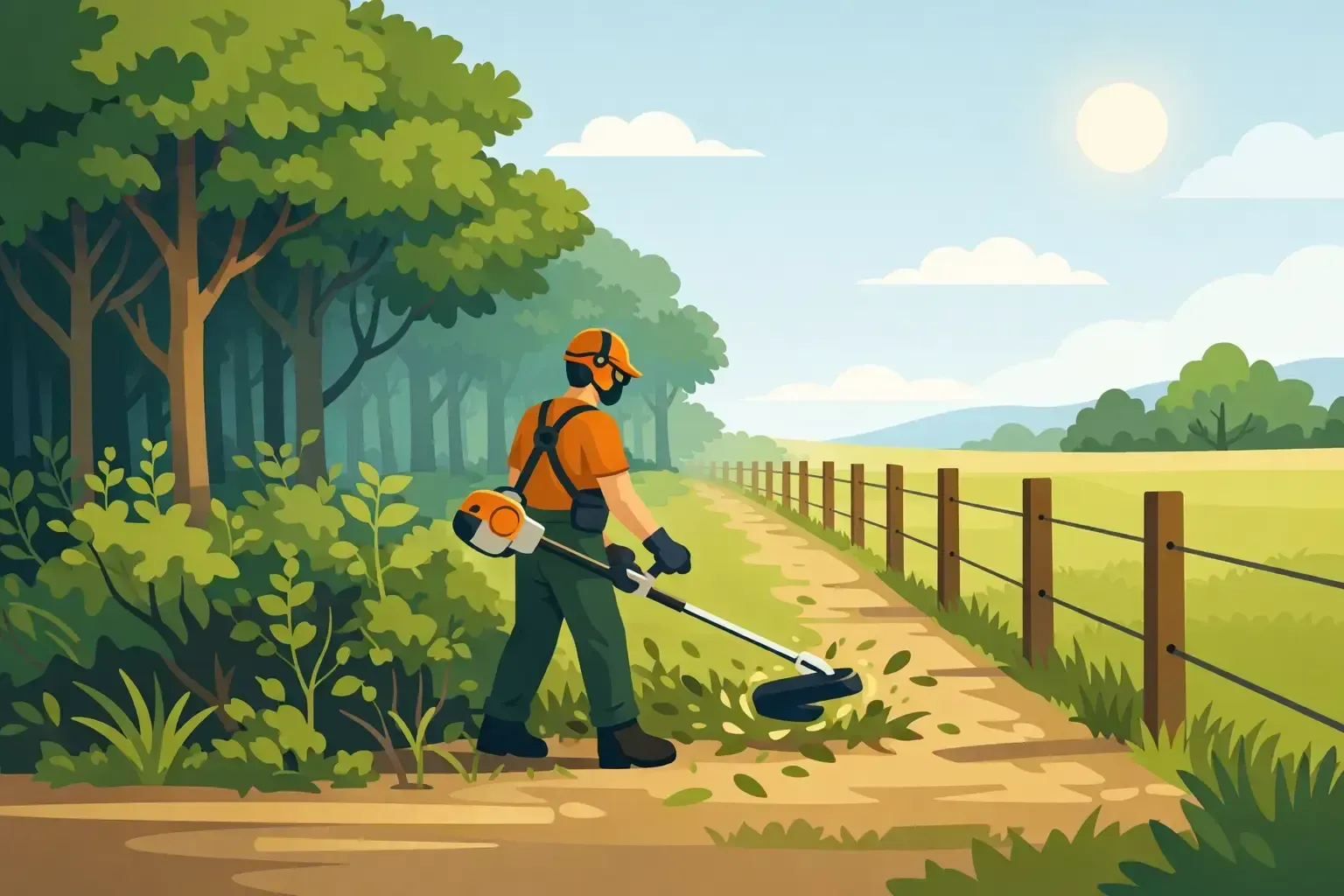
Trees are part of a larger property system. Dense brush, low limbs, accumulated deadwood, and unmanaged cedar can increase wildfire exposure as well as complicate storm cleanup and access. Thinning and defensible-space work
can improve access for emergency vehicles, reduce fuel continuity, and give your strongest trees more room to thrive.
That does not mean clearing every tree from the property. Mature shade and native tree cover add real value. The objective is to manage density, remove hazardous material, and create separation between vegetation, structures, and access routes. Each property has different terrain, species, drainage, and priorities, so one-size-fits-all clearing plans rarely deliver elite results.
Before storm season, make sure gates open, driveways are passable, and crews could reach the areas most likely to need attention. Take current photos of valuable trees, fences, roofs, and outdoor structures for your records. If a storm causes damage, those photos can make documentation easier.
Know What Not to Do When a Storm Is Coming
Last-minute work can create more danger than it solves. Do not use ladders, power tools, or equipment near branches as wind begins to build. Do not try to pull a partially failed limb down with a rope or vehicle. Tension, weight, and hidden cracks can make damaged trees unpredictable.
If a tree or large limb has fallen on a structure, keep clear of the area and watch for utility hazards. Do not enter a damaged building until it is safe to do so. Take photos from a safe distance, then contact qualified professionals for assessment and removal.
A fast response matters after severe weather, but preparation is where the biggest wins happen. Dynamo Dusty's Tree Service approaches storm readiness with the same discipline used on complex residential, commercial, and land-management projects: identify the risk, protect what matters, and execute cleanly.
The best time to address a questionable limb is while the sky is blue, the driveway is open, and you still have choices. Give your trees the attention they deserve now, and they will be better positioned to weather the next Texas storm.