
That huge live oak shading your driveway might look like it needs a serious haircut. The problem is that pruning vs topping trees is not a small stylistic choice. It is the difference between skilled tree care that protects health and structure, and a shortcut that often creates weaker growth, bigger hazards, and higher costs later.
Around Central Texas, we see this confusion all the time. A homeowner wants more clearance over a roof, a ranch owner wants to reduce weight before storm season, or a property manager wants trees "cut back hard" after years of neglect. Fair goal. Wrong method, and the tree pays for it for years.
Pruning vs topping trees: the real difference
Pruning is selective. Topping is blunt force.
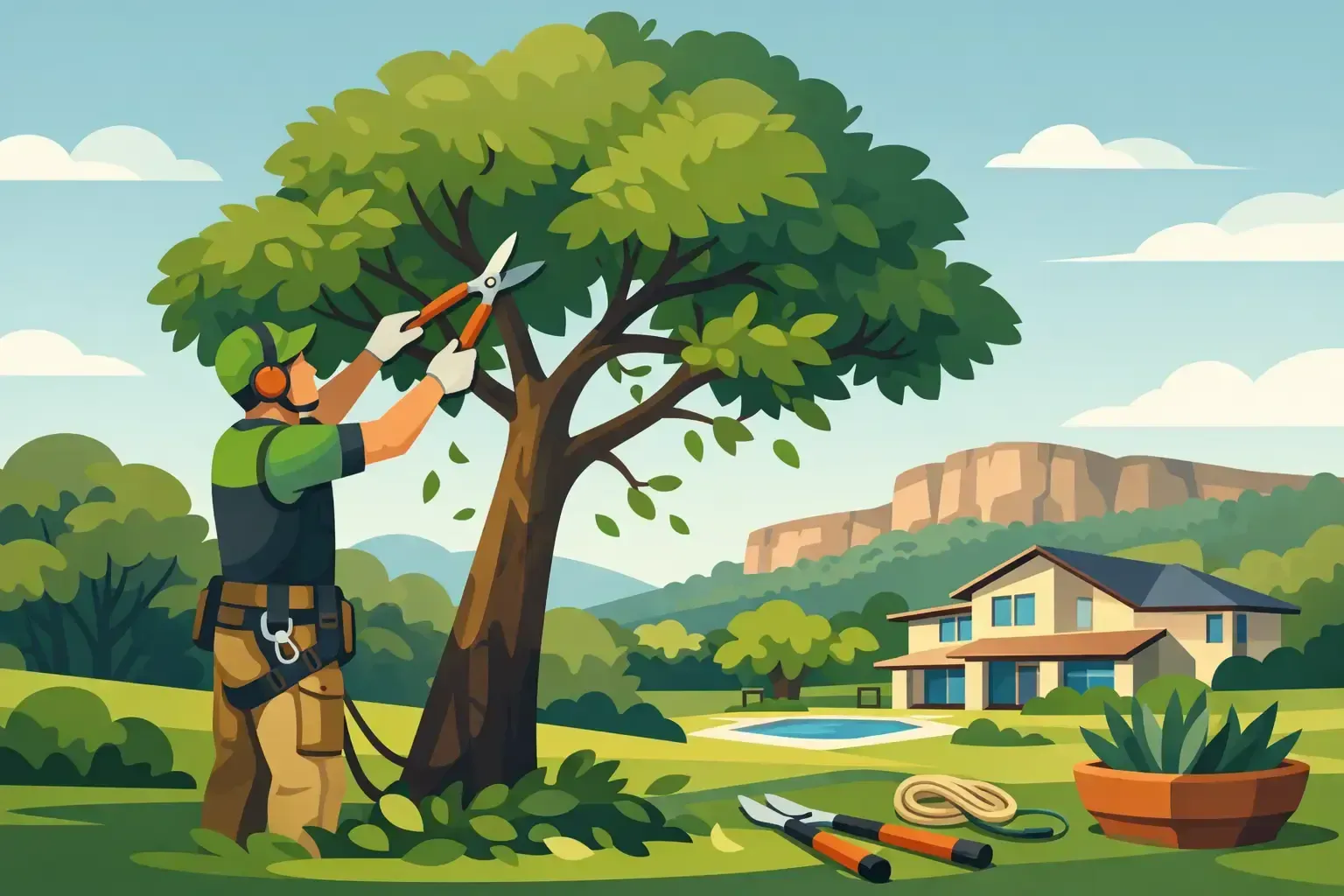
Proper pruning removes specific limbs for a reason - clearance, risk reduction, structure, health, light balance, or deadwood removal. A trained arborist studies where each cut goes, how much foliage is removed, what species is being worked on, and how the tree is likely to respond. Good pruning leaves a tree looking natural, just safer, cleaner, and better balanced.
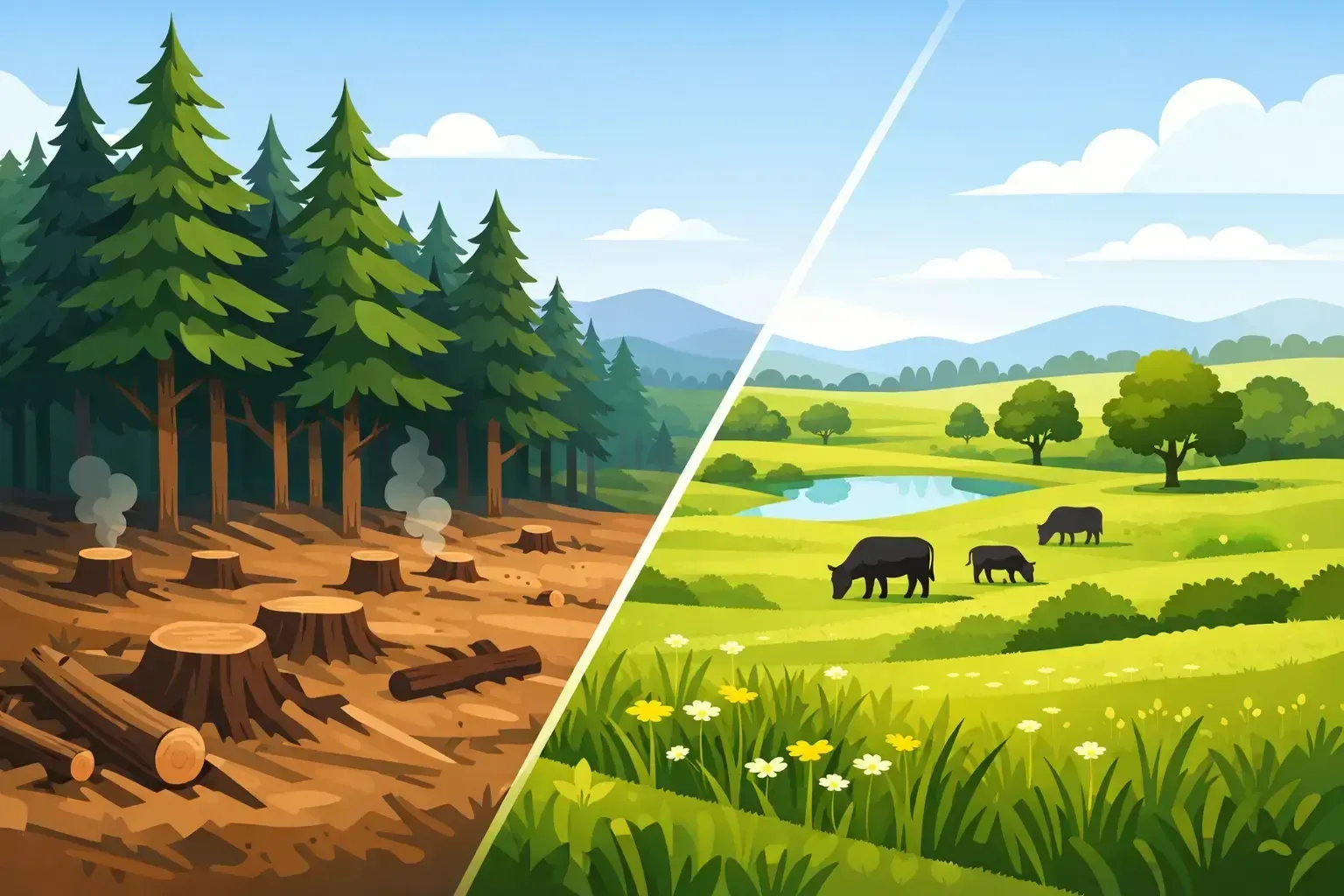
Topping is the removal of large sections of the canopy by cutting branches back to stubs or to points that are too small to properly support future growth. It is often done to reduce height quickly. It can make a tree look smaller for the moment, which is why people request it. But the tree's response is usually fast, stressed regrowth from weak attachment points.
That is where many property owners get burned. Topping looks dramatic on day one. Pruning looks smart on year five.
Why topping trees causes bigger problems
Topping is still common because it seems cheap, fast, and decisive. If someone shows up with a saw and promises to "take it down by half," that can sound appealing when limbs are hanging over a home or parking area. But trees do not read shortcuts as solutions.
When a tree loses a major portion of its canopy, it loses energy production. Leaves are the system that feeds the tree. Strip too much away, and the tree shifts into stress mode. Many species respond by sending out rapid sprouts near the cuts. These shoots can grow fast, but they are not the same as well-formed limbs that developed naturally over time.
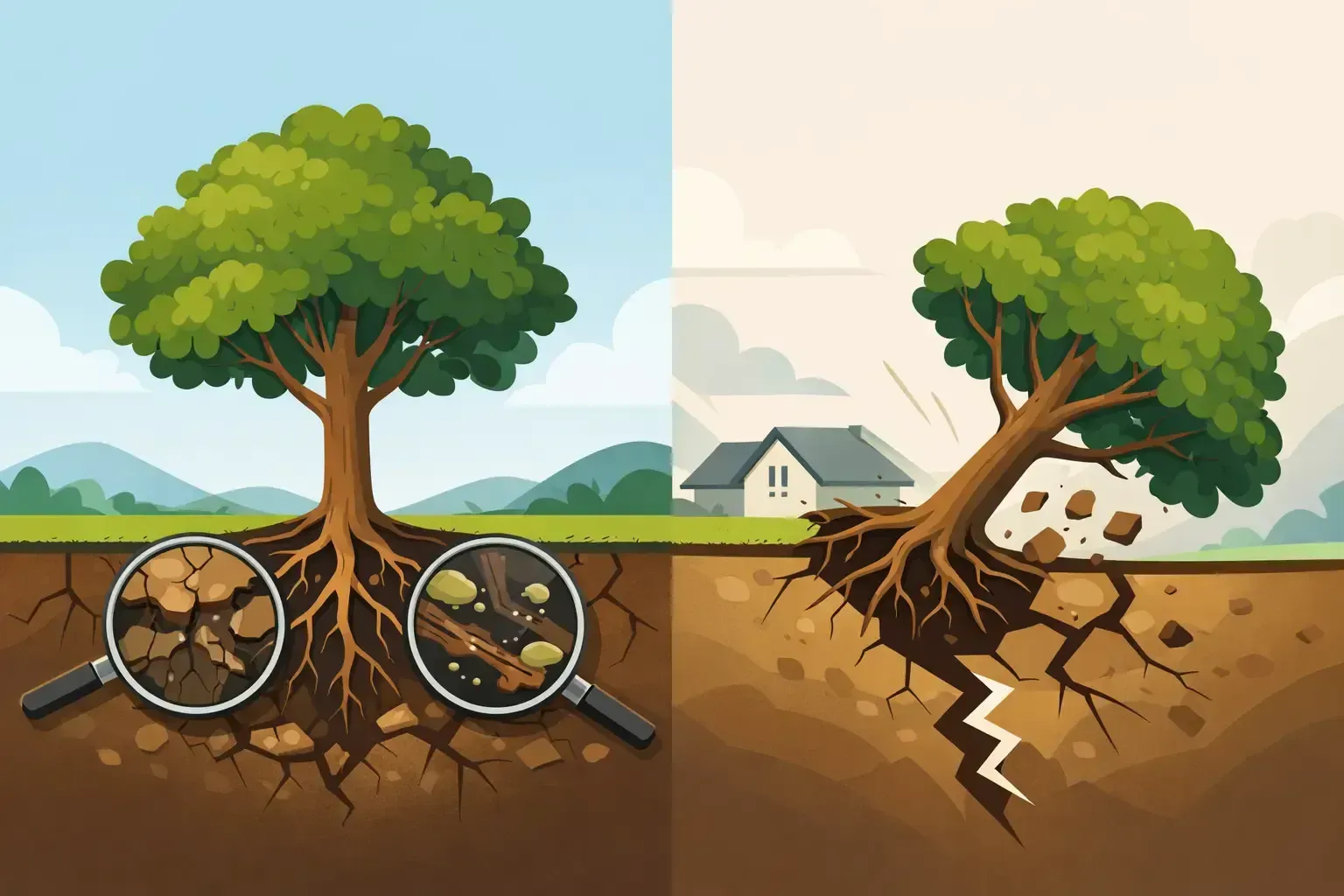
Those new shoots are often weakly attached. That matters in high wind, heavy rain, or ice. In other words, the exact conditions when you most need a tree to be structurally sound.
Topping also leaves larger wounds that are harder for the tree to close off. That can open the door to decay, sunscald on previously shaded bark, and a rough-looking canopy that never really regains its natural form. So yes, a topped tree may be shorter for a while. It may also become uglier, more hazardous, and more expensive to maintain.
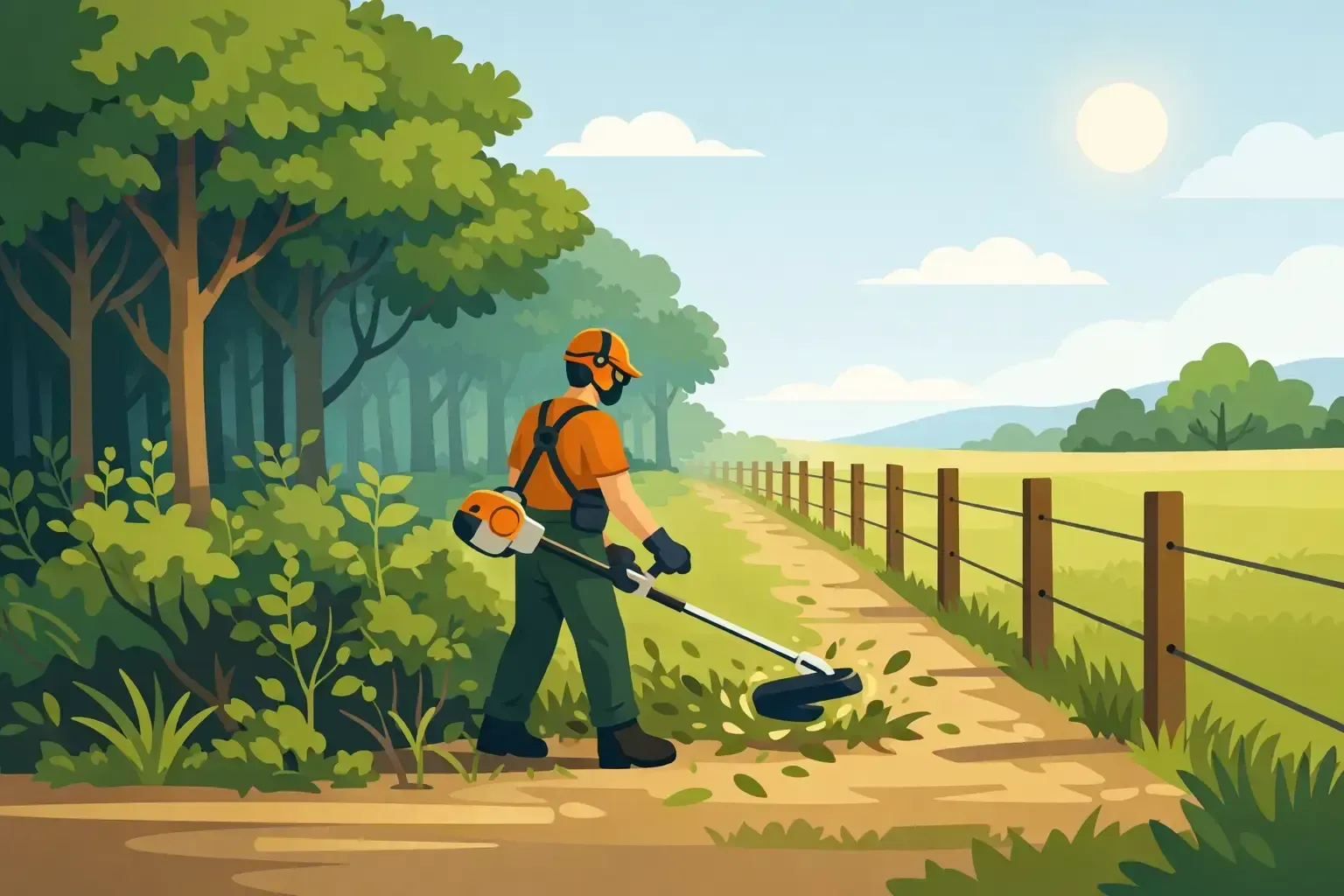
In wildfire-prone areas, topping can also miss the real objective. Risk reduction is about fuel management, spacing, crown separation, ladder fuel reduction, and removing vulnerable material where it actually changes fire behavior. Randomly hacking down the canopy is not the same thing as a wildfire mitigation plan.
What proper pruning actually does
Good pruning is precision work. It solves specific problems without creating three new ones.
A pruning plan might reduce end weight on extended limbs, improve clearance over a structure, remove dead or storm-damaged wood, separate rubbing branches, or correct structural issues while the tree is still young enough to respond well. It can also improve airflow through the canopy, which sometimes helps with stress and breakage risk, especially in dense growth.
The key is restraint. Professional pruning does not mean taking as much as possible. It means taking the right material, in the right place, for the right reason.
That can frustrate people who expected a more dramatic visual change. Fair enough. But if the goal is long-term tree performance, lower risk, and better appearance over time, disciplined pruning wins almost every time.
When property owners ask for topping
Most people do not ask for topping because they want to hurt a tree. They ask because they are trying to solve a real problem.
Sometimes the tree has outgrown the space. Sometimes there is fear after a storm. Sometimes the canopy is too close to a roof, over a roadway, or pushing into utility clearance concerns. And sometimes a previous crew ignored the tree for years, so now the owner feels stuck between doing something drastic or doing nothing.
This is where honest guidance matters. There are cases where a tree is simply the wrong species in the wrong location and repeated reduction work is not the best long-term answer. In that case, removal and replacement
may be more responsible than topping. That is not the answer people always want, but it is often more cost-effective and safer than putting a tree on a cycle of decline.
A disciplined arborist should be able to tell you whether pruning can realistically solve the issue, whether the tree can be reduced with proper cuts, or whether the tree has reached a point where another strategy makes more sense.
Pruning vs topping trees for storm safety
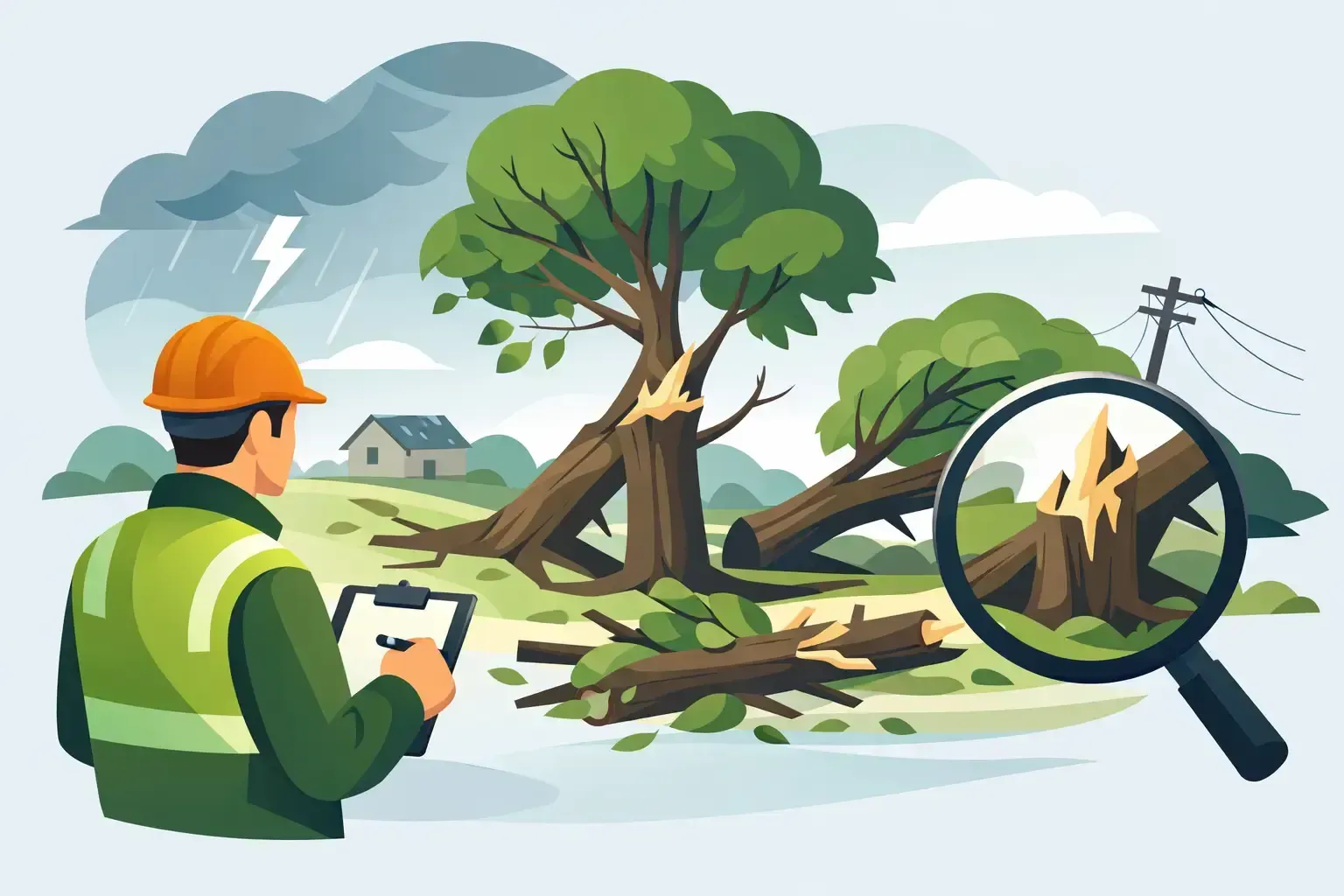
A lot of bad tree work gets sold under the label of storm prep. That is especially risky in Texas, where wind and storm events can turn weak attachments into immediate failures.
Pruning can absolutely help with storm readiness. Removing deadwood, reducing overextended limbs, addressing poor branch unions, and improving canopy balance can all lower the chance of breakage. But storm pruning is not the same as stripping a tree down to stubs.
In fact, topping can make storm risk worse over time because the regrowth that follows is often fast and poorly attached. So the owner gets a short-term sense of relief, then inherits a tree that may be more failure-prone a few seasons later.
That is why an engineering-based approach matters. You are not paying for random cuts. You are paying for a plan that considers species, structure, growth habit, defect patterns, targets below, and likely response after the work is complete.
How to tell if a tree needs pruning, not topping
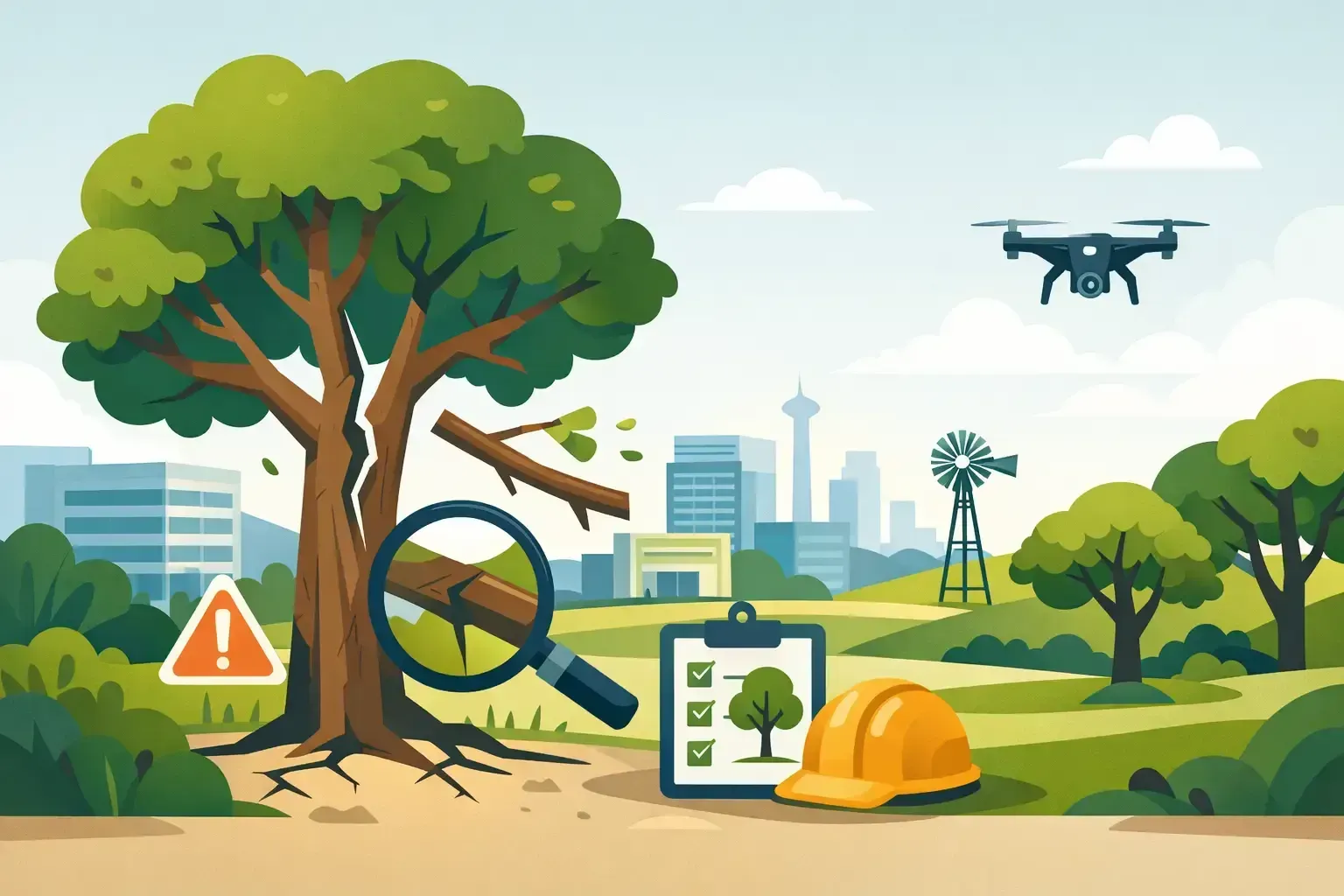
If your tree looks too big, too dense, storm-damaged, or awkwardly stretched over a structure, that does not automatically mean topping is on the table. In many cases, the tree needs professional pruning and a clear objective.
A few signs point in that direction. Dead or broken limbs should be removed. Limbs over structures may need selective reduction or clearance. Trees with crossing branches, unbalanced weight, or dense interior growth often benefit from corrective pruning. Younger trees may need structural pruning to prevent bigger problems later.
The bigger question is this: can the issue be solved while preserving the tree's natural architecture? If yes, pruning is usually the right move. If no, and the only proposed solution is chopping the top off, it is time to slow down and reconsider the whole plan.
What a professional recommendation should sound like
You should expect more than "we'll cut it back hard." That is not a strategy. That is a warning sign.
A real recommendation explains what is being removed, why those cuts matter, how much canopy will be affected, and what the tree is likely to do afterward. It should account for safety, property clearance, appearance, species-specific response, and future maintenance needs.
It should also include trade-offs. Sometimes a conservative prune protects health but leaves more height than the owner wanted. Sometimes a larger reduction is possible, but only within limits that the tree can tolerate. Sometimes the honest answer is that the tree has been neglected too long or planted in the wrong place for repeated pruning to keep solving the problem.
That kind of straight talk saves money and frustration. It also builds trust, which this industry frankly needs more of.
For homeowners and landowners who want elite results, this is where certification and field judgment matter. Dynamo Dusty's Tree Service approaches tree work like a professional service, not a chainsaw errand - and that difference shows in the finished product.
The bottom line on topping
If someone recommends topping as routine maintenance, be careful. It is usually a shortcut dressed up as tree care.
Proper pruning takes more thought, more skill, and sometimes more patience. But it protects the tree's structure, supports long-term health, and reduces the odds that today's "fix" becomes next year's emergency call.
The best tree work is not the loudest or the most dramatic. It is the kind that leaves your property safer, sharper, and stronger without creating a bigger problem hiding in the canopy. If you are staring at a tree and wondering what to do next, ask for a plan that respects both the tree and the target below it.