

A lot of land clearing services get sold as simple brute force - bring in equipment, knock everything back, and call it done. That approach can leave you with torn-up soil, damaged trees, drainage problems, and a property that looks worse a month later than it did before the crew arrived.
Around Central Texas, smart clearing is rarely about removing everything. It is about deciding what stays, what goes, and how the work changes the way your land functions. For homeowners, ranch owners, HOAs, and commercial property managers, the goal is usually the same: safer access, better use of the property, stronger curb appeal, and less fuel sitting on the ground when fire season gets serious.
What land clearing services should actually accomplish
Good land clearing services create usable space without creating new problems. That means opening up overgrown areas, removing invasive brush, cutting back heavy fuel loads, and improving sight lines while protecting the trees and natural features that add long-term value.
That balance matters. Clear too little, and the property still feels crowded, unsafe, or inaccessible. Clear too much, and you lose shade, privacy, erosion control, and the mature canopy that makes Central Texas land attractive in the first place. The best results come from a plan, not a guess.
On a residential lot, that plan may focus on reclaiming the backyard, improving defensible space
around the home, and reducing the chance that storm debris piles up in the same trouble spots every year. On larger acreage, it may mean opening trails, improving fence line access, thinning dense cedar, and making the land easier to maintain moving forward.
Why Central Texas properties need a different approach
Land in this part of Texas has its own personality. Limestone, slopes, drought stress, dense brush, and weather swings all affect how a clearing project should be handled. A one-size-fits-all method does not hold up well when your property includes mature oaks, rocky ground, and wildfire exposure in the same footprint.
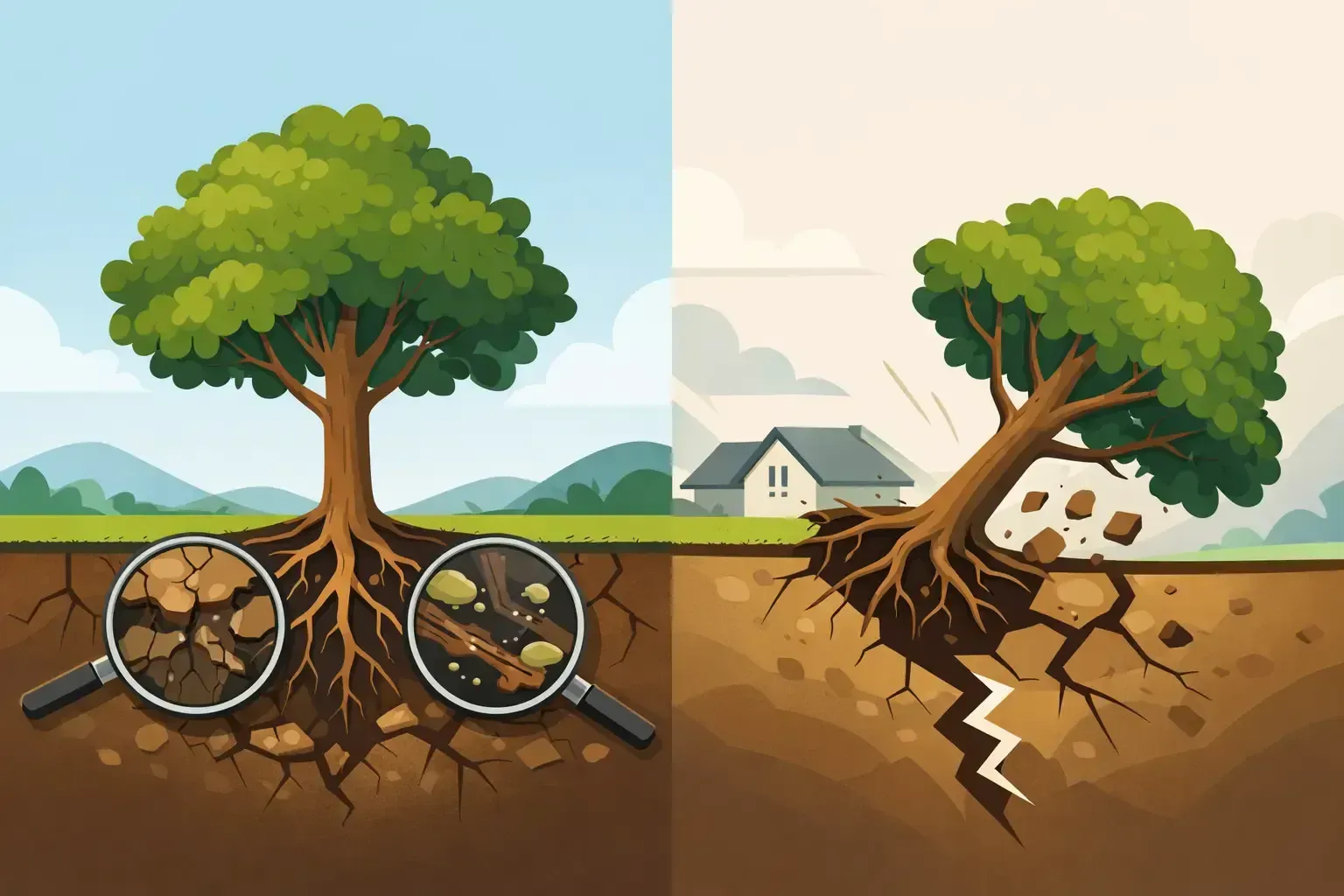
That is why precision matters. Removing cedar and underbrush can dramatically reduce ladder fuels and improve visibility, but careless equipment use can scar root zones or disturb soil in ways that show up later. A property may look cleaner on day one, then struggle with runoff or decline in retained trees after the job is over.
For many owners, wildfire risk is the biggest reason to act. Thick brush close to a structure, dead material under trees, and overcrowded growth between canopies can all increase how fast a fire moves. Strategic clearing helps break up that fuel continuity. It also gives emergency access a better chance when time is short.
The difference between clearing and overclearing
This is where experience earns its keep. Not every tree, sapling, or patch of brush deserves removal. Some plants are screening a road, stabilizing a slope, or protecting soil. Some trees are stressed but recoverable. Others are competing so heavily that selective removal improves the health of the stand as a whole.
Overclearing usually happens when speed outruns judgment. You see it when everything gets cut to the same visual line, with no attention paid to species, spacing, grade, or long-term maintenance. It may look dramatic for a weekend, but it often leads to weaker aesthetics and higher costs later.
Selective land clearing services are different. They are built around priorities. Maybe the priority is fire mitigation. Maybe it is opening a homesite, reclaiming pasture edge, restoring access to a creek corridor, or improving the presentation of a commercial entrance. The right scope depends on how you use the property and what is putting it at risk right now.
How a professional plan is built
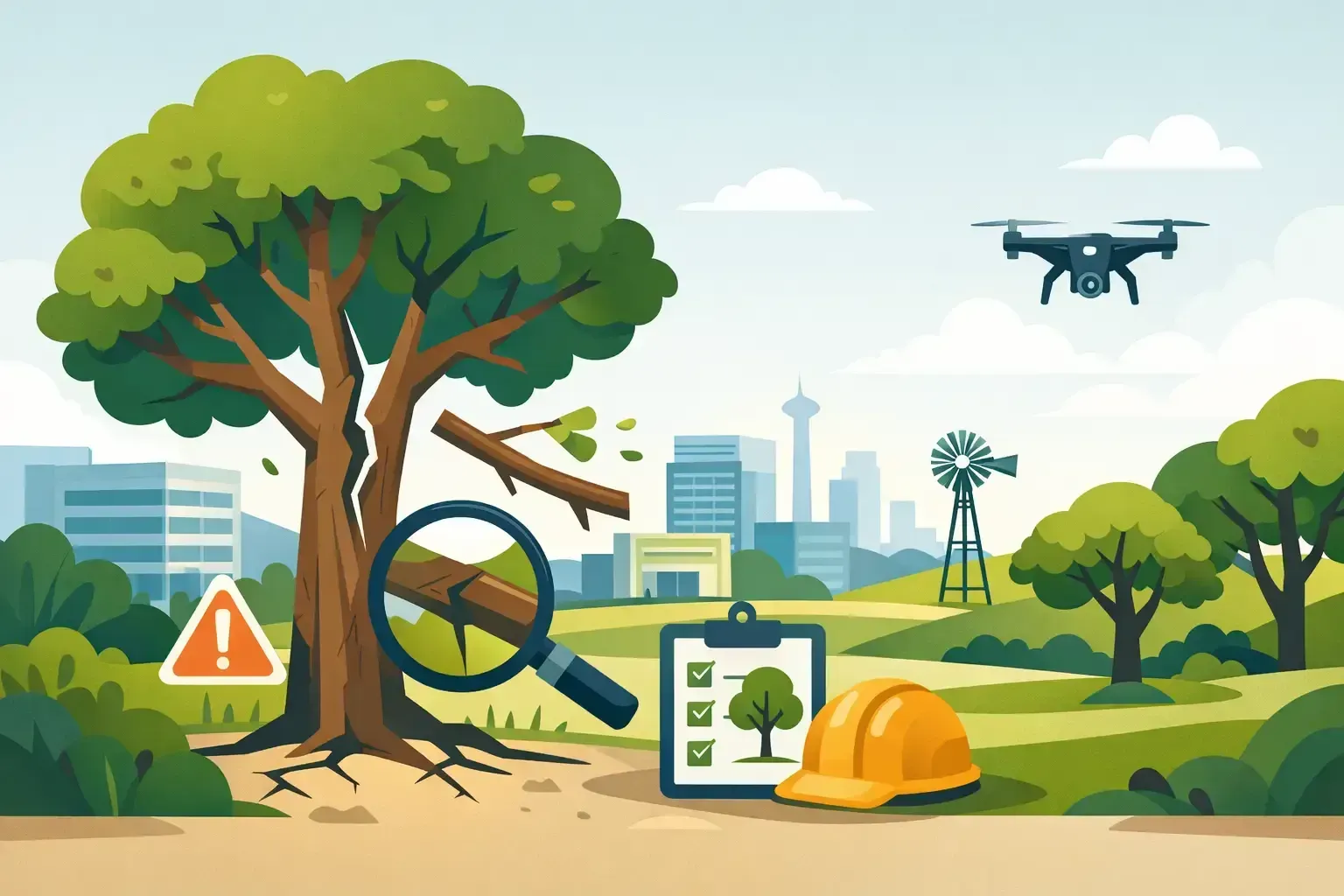
A strong clearing project starts with a walkthrough, not a sales pitch. The first job is to understand the property. Where are the structures? Where is the brush heaviest? Which trees are worth protecting? How will equipment move through the site? What happens to debris? Are there drainage concerns, utility conflicts, or visibility issues near roads and driveways?
From there, the work should be mapped to outcomes you can actually see and measure. That might include reducing brush density around a home, improving access for maintenance vehicles, clearing fence lines, removing dead and down material, or creating spacing that lowers wildfire exposure.
Communication matters more than most people realize. Property owners are often dealing with bad past experiences - vague estimates, poor cleanup, no-shows, or crews that leave the site looking rough. A disciplined team explains the plan, prices it clearly, shows up ready, and leaves the land cleaner and more usable than promised.
What to expect during land clearing services
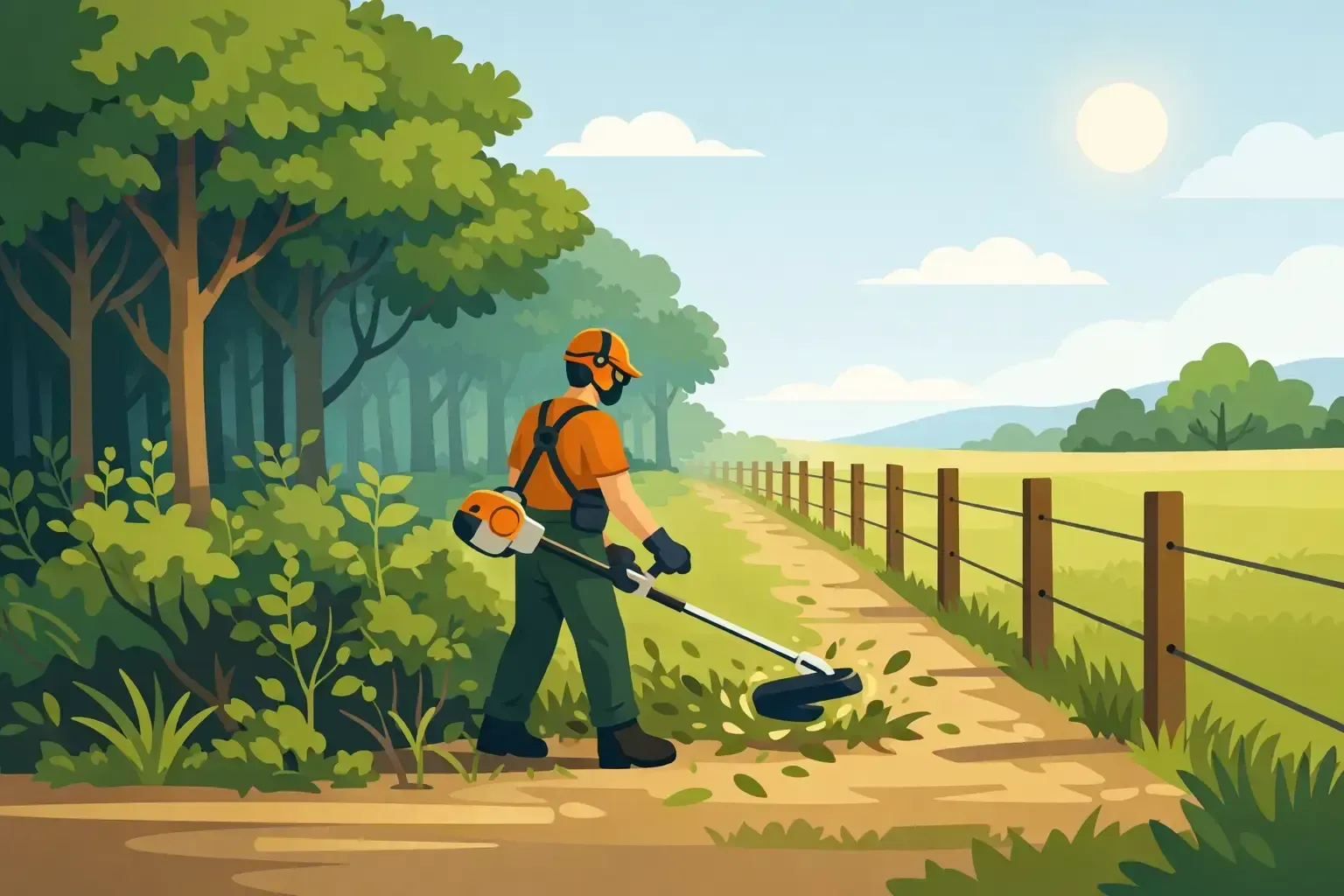
The scope depends on the site, but most projects combine brush removal, selective tree thinning, debris processing, and site cleanup. On some properties, the biggest win is simply restoring order. Areas that felt choked off become visible again. Drive edges sharpen up. Trails reappear. Wind can move through the canopy. The whole place feels safer and easier to manage.
Cleanup should never be treated like an afterthought. Debris management is part of the work, not a bonus. If slash piles, rough edges, and scattered material are left behind, the property is not actually improved. The finish matters because that is what turns a heavy equipment job into a high-end result.
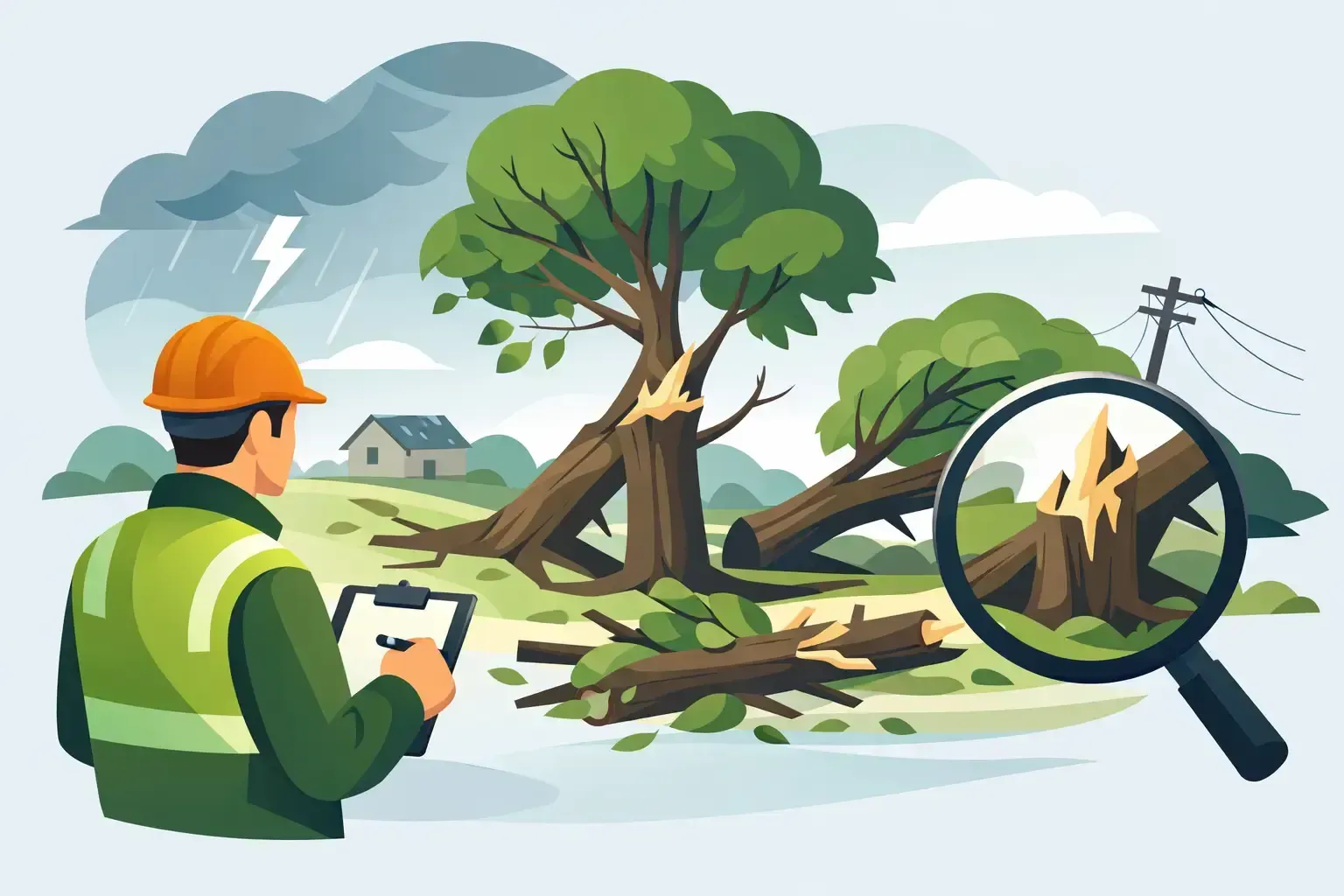
Timing also depends on your goals. If you are preparing for peak fire season, it makes sense to address brush and fuel loads before conditions tighten up. If your property took storm damage, clearing may be part of a broader recovery effort to restore access and remove hazards quickly. If you are prepping for construction or fence work, the sequence needs to support the next phase instead of getting in its way.
When land clearing services add the most value
Some projects are obvious. You bought acreage that has gone wild for years. You cannot access parts of the property. Cedar and brush are crowding out everything else. Storm debris keeps collecting. The house feels boxed in. Those are clear signs that it is time.
Other cases are more strategic. Maybe the land is usable today, but maintenance gets harder every season. Maybe tenants or residents have visibility concerns at entrances or around common areas. Maybe a ranch road keeps narrowing because the edges are reclaiming it. In those situations, proactive clearing costs less than waiting until access, safety, or fire risk becomes urgent.
There is also the value piece. A well-cleared property tends to show better, function better, and feel better. Buyers, guests, tenants, and neighbors notice when land looks intentionally managed. That does not mean sterile. It means clean lines, healthier spacing, preserved character, and a sense that someone knows what they are doing.
Choosing a crew without rolling the dice
Land clearing is one of those services where the cheapest price can get expensive fast. If a crew lacks arboricultural judgment, they may damage trees you wanted to save. If they are careless with soil and drainage, the site can become harder to maintain after the work. If communication is weak, you may not know what is being removed until it is already gone.
Look for a company that treats clearing as land management, not just machine time. Credentials matter. So does local experience. So does the ability to explain why specific material should be removed and why some should stay. You want a team that can handle larger projects while still giving your property individual attention.
That is a big reason property owners across the Hill Country look for certified expertise tied to wildfire mitigation, tree health, and disciplined execution. A veteran-led company like Dynamo Dusty's Tree Service brings that kind of structure to the job. The result is not just a cleared lot. It is a property that works better when the crew leaves.
The real goal: a property that is safer and easier to enjoy
The best clearing jobs do not make your land feel stripped. They make it feel opened up, stronger, and more useful. You can move through it. See through it. Maintain it. Defend it better in dry conditions. And enjoy the trees and space you were hoping to protect in the first place.
If your property has started to feel crowded, risky, or harder to manage than it should, that is usually the sign to stop waiting for the next storm, the next close call, or the next fire warning. Smart clearing gives you room to breathe and a better game plan for whatever Texas throws at you next.