

One wind shift, one ember, one neglected brush line - that is all it takes to turn a normal dry day into a property emergency. If you are wondering how to reduce wildfire risk around home, the answer is not one magic fix. It is a series of disciplined, visible improvements that make it harder for fire to start, spread, and climb from the ground into trees and structures.
In Central Texas, that matters more than most people realize. A lot of homes sit near cedar, oak, native grasses, fence lines, wood piles, and outbuildings that quietly stack the deck in fire's favor. The good news is that wildfire mitigation is practical. You do not need to strip your land bare. You need a cleaner, better-spaced, better-managed property.
Dynamo Dusty's Tree Service is TX ISA Wildfire Risk Reduction Qualified... one of currently less than 100 arborists to have earned this qualification in Texas.
How to reduce wildfire risk around home starts with fuel
Wildfire behavior comes down to fuel, weather, and topography. You cannot control the wind, and you cannot flatten every slope. What you can control is the fuel load around your house, driveway, fences, barns, and tree lines.
Fuel is not just dead brush. It includes overgrown shrubs, low tree limbs, leaf litter in beds and gutters, stacked firewood, dry grasses, and dense understory growth. On many residential and ranch properties, the real problem is continuity. Fire loves a connected path. If dry grass runs into brush, and brush runs into low limbs, and limbs overhang the roof, you have created a ladder for flames and embers.
That is why wildfire reduction work often looks less dramatic than people expect. The goal is not clear-cutting. The goal is interruption. Break the path, reduce the intensity, and give firefighters and homeowners a better chance.
Start closest to the house
If you only have time or budget to tackle one area first, begin at the structure itself. The zone nearest the home should be the most lean, clean, and maintained part of the property.
That means removing dead vegetation, keeping grass cut short, and avoiding combustible clutter near the foundation. Mulch choice matters too. Fine, fluffy mulch can carry flame faster than many homeowners think. Decorative beds right against the house may look sharp, but if they are packed with dry plant material and leaf buildup, they can become a problem during high heat and wind.
Pay special attention to rooflines, gutters, porches, decks, and corners where leaves collect. Embers do not need a big opening. They need one vulnerable spot. A clean roof and gutter system is not glamorous, but it is one of the simplest ways to reduce ignition risk.
Trees should not be touching the house
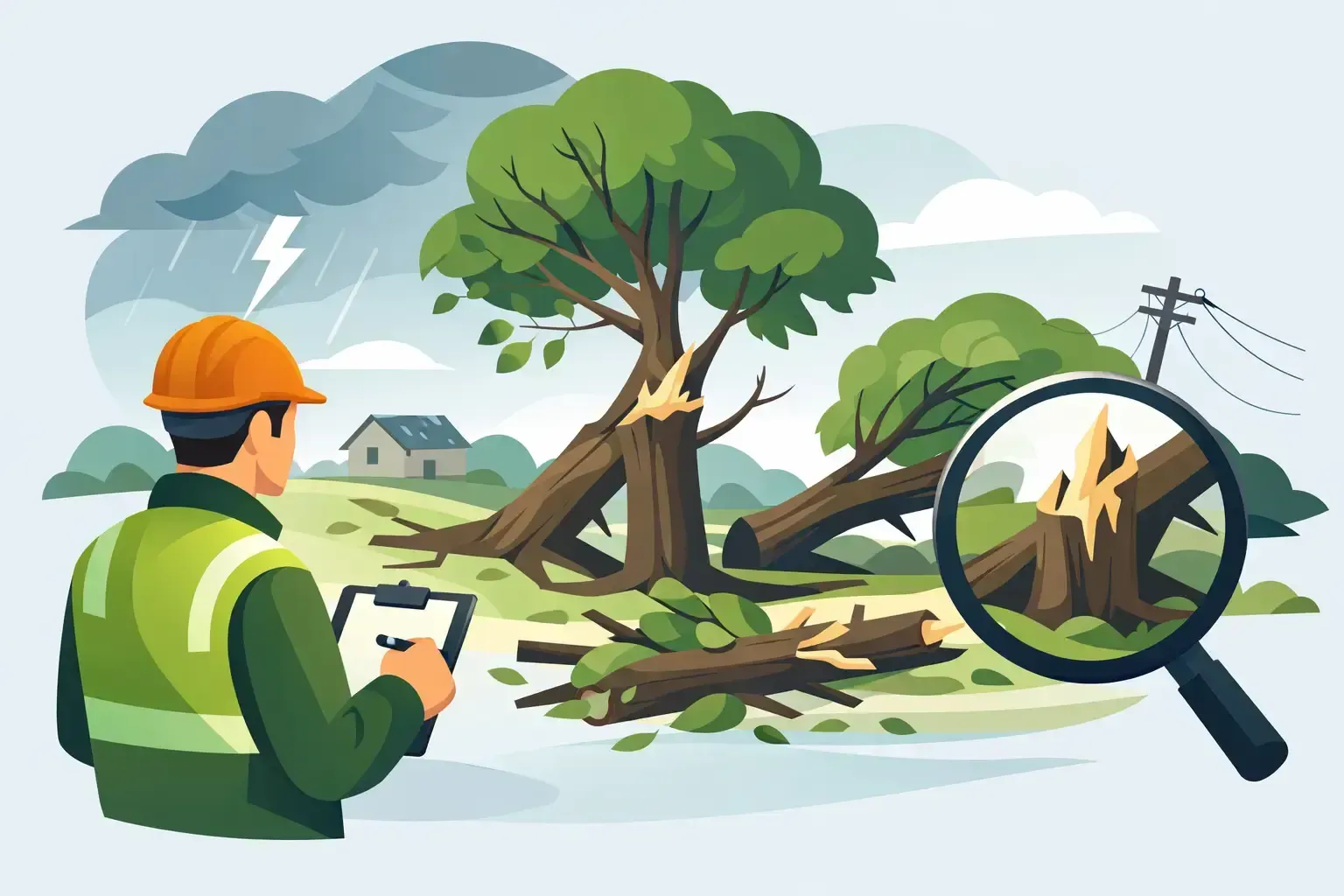
This sounds obvious, yet it is one of the most common issues on established properties. Limbs rubbing the roof, hanging over chimneys, or crowding upper-story windows can create both fire risk and storm risk.
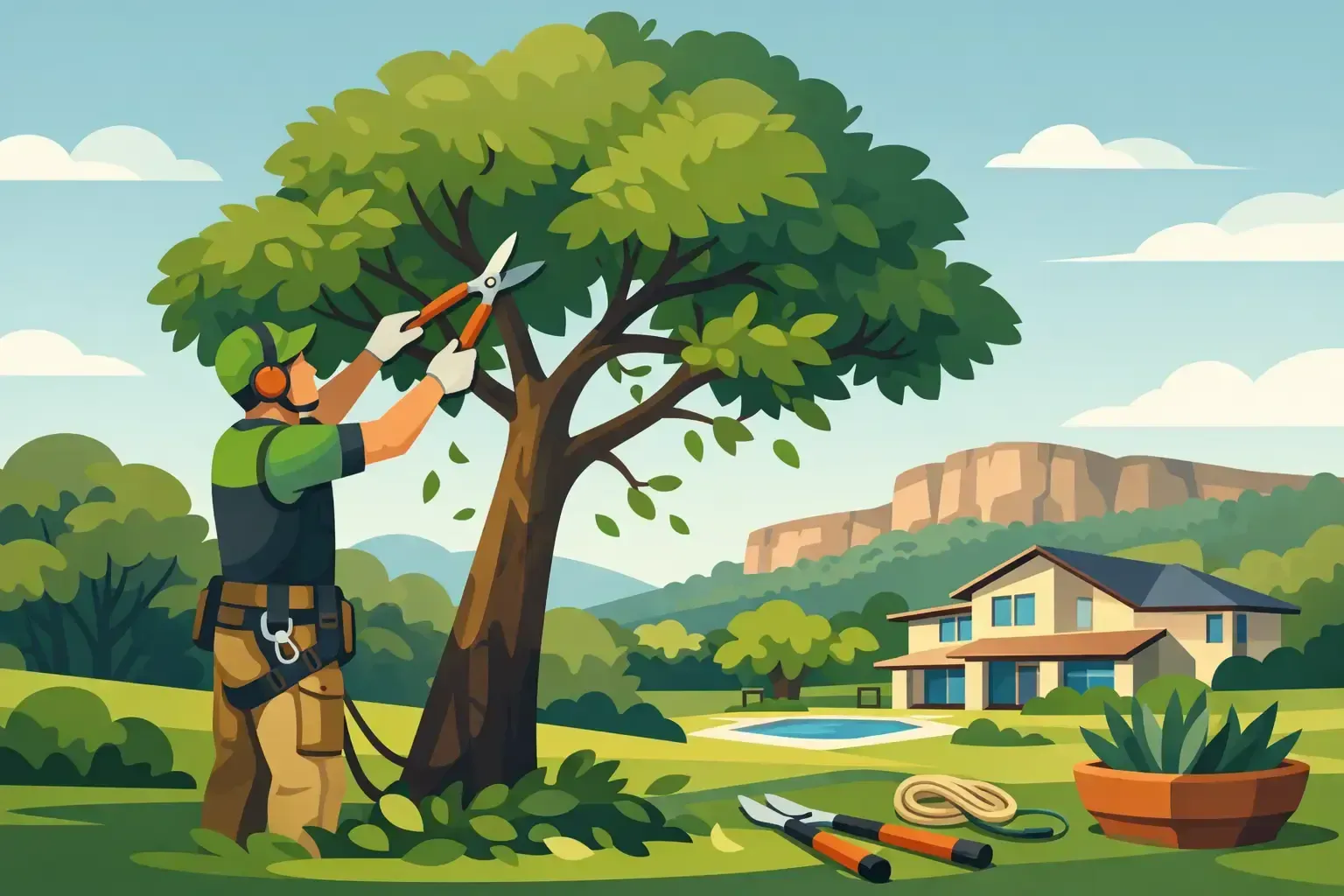
Pruning back overhang improves clearance and reduces the chance that a nearby fire reaches the structure through direct flame contact. It also cuts down on leaf debris collecting where embers like to land. Good pruning
is selective and strategic. Bad pruning can stress a tree, invite decay, or create weak regrowth. This is one area where precision matters.
Manage the space between trees, brush, and grass
The next big move is reducing density. Many properties feel private and beautiful because they are thick with vegetation. We get it. Nobody wants their place to look scalped. But there is a major difference between healthy canopy cover and overcrowded fuel.
When trees are too close together, crowns can help fire move faster. When brush grows tight under mature trees, surface fire can climb upward. When grasses are left tall beneath everything else, they act like a fuse.
A better approach is thinning and spacing. Remove weaker volunteer growth, dead material, and overcrowded understory. Separate shrubs from tree trunks when possible. Limb up certain trees to increase vertical clearance from the ground. The exact spacing depends on species, slope, and how the property is used. A tighter, shaded residential lot is different from open acreage. That is the trade-off - you want reduced fuel without overexposing desirable trees to heat and drought.
Not every tree should be removed
Homeowners sometimes swing too far in the other direction and assume wildfire prep means taking out every tree near the home. Usually, that is not the smartest move.
Healthy, well-maintained trees can provide shade, reduce heat load, and improve long-term property value. The issue is not simply having trees. The issue is having the wrong trees in the wrong places, with poor structure, deadwood, excessive overhang, or dense brush beneath them.
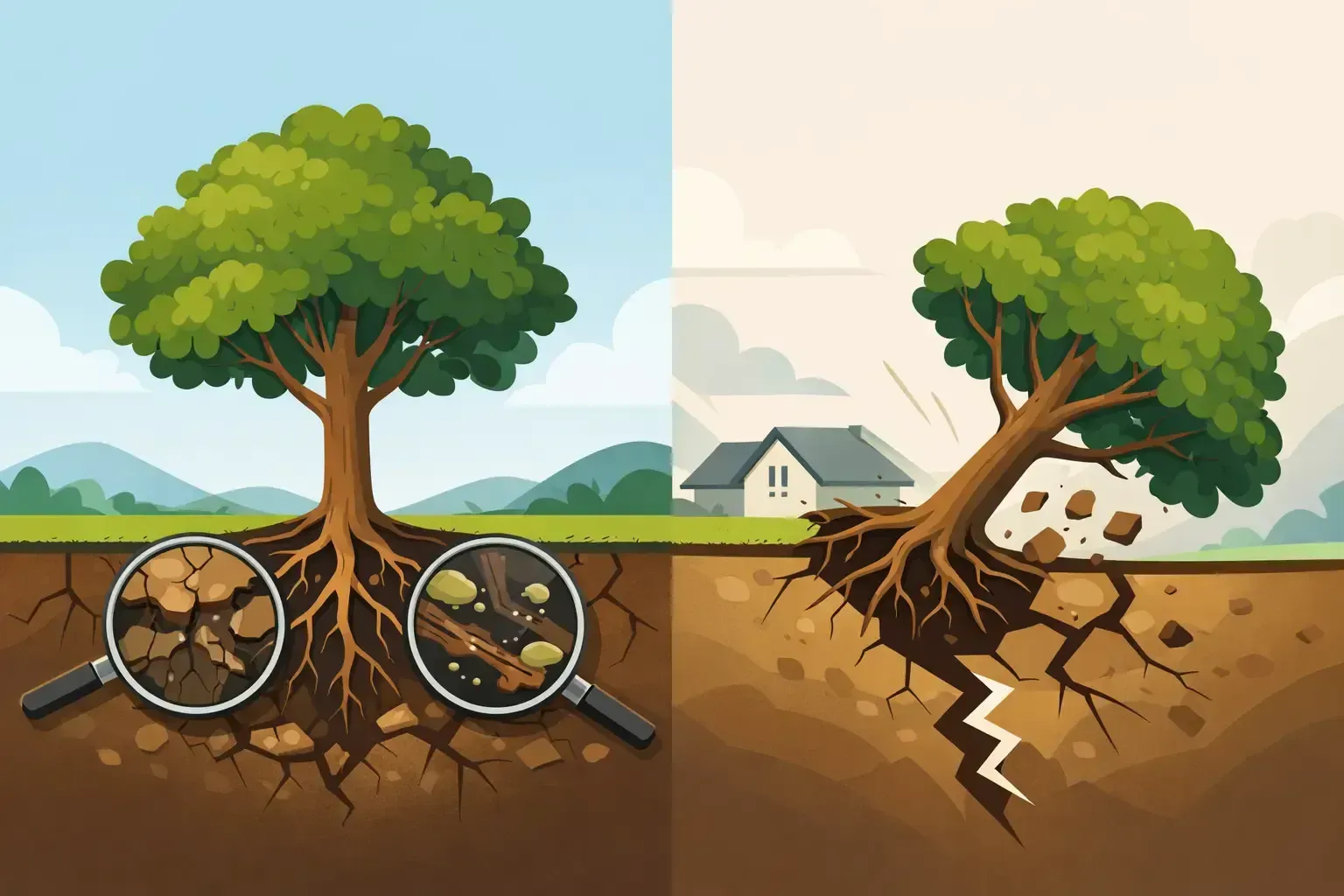
An experienced arborist looks at species, health, spacing, and defect risk together. Sometimes the right answer is removal. Sometimes it is crown cleaning, selective pruning, understory clearing, or targeted thinning. A disciplined plan beats random cutting every time.
Clean up ground fuels before they become a bigger problem
A lot of wildfire mitigation work happens below eye level. Dry leaves, fallen limbs, cedar slash, old stump debris, and unmanaged grasses build up quietly. Then a hot, dry spell hits and the whole property becomes easier to ignite.
Regular cleanup is one of the highest-value habits a property owner can build. After pruning or clearing, debris should not just be moved to another corner and forgotten. Brush piles can become a future hazard if they are left too close to homes, fences, or tree lines.
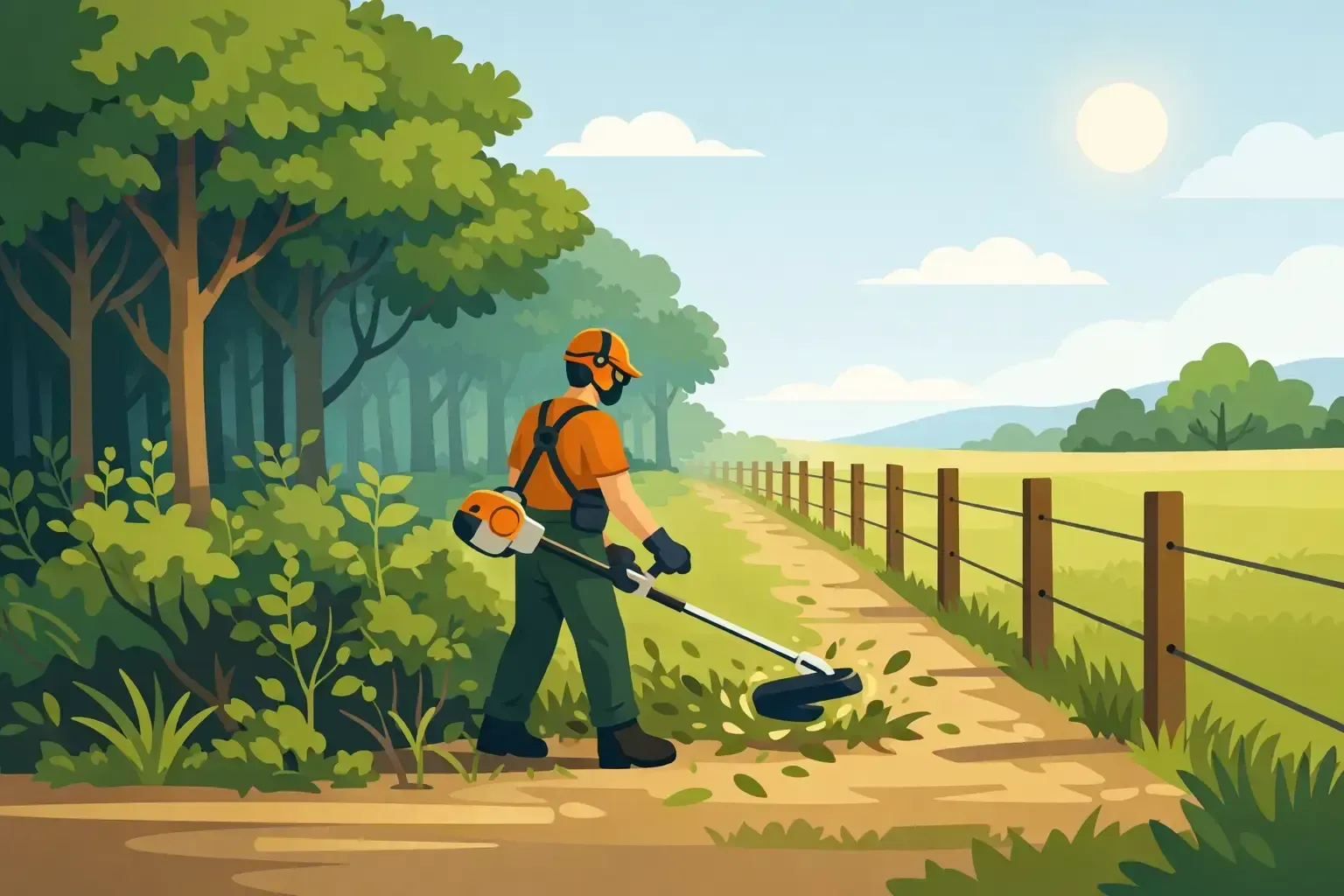
On larger lots and ranch properties, this takes planning. You may need periodic mowing, brush management, haul-off, chipping, or designated storage farther from structures. The right system depends on acreage, terrain, and budget. But the principle stays the same - if fuel accumulates faster than you manage it, your risk goes back up.
Watch the fence lines, driveways, and outbuildings
Fire does not always approach a home in the way people imagine. It often runs along the edges people maintain the least.
Fence lines packed with weeds, brush growing under gates, vegetation crowding a driveway, and wood piles next to sheds all create small but meaningful vulnerabilities. Detached garages, barns, pump houses, and workshops deserve the same attention as the main home. If an outbuilding ignites, radiant heat and embers can threaten everything around it.
Driveways also matter more than they get credit for. A cleared access route can help emergency crews reach the property faster and more safely. On rural land, overhanging limbs and narrow brushy entries can slow response at the exact moment time matters most.
Maintenance beats one-time cleanup
This is the part many companies skip because it is less flashy than a big clearing project. Wildfire mitigation is not a one-and-done job. It is a maintenance standard.
Grass grows back. Brush returns. Storms drop limbs. Drought stresses trees. Seasons change the amount and type of fuel on the ground. A property that looked great after cleanup can drift back into risk if nobody keeps an eye on it.
That is why the best wildfire plans are realistic. If you own a heavily wooded lot, a rural homesite, or acreage with mixed tree cover, build a schedule you can actually maintain. That may mean annual pruning, seasonal clearing, or periodic walkthroughs after storm season and before peak summer heat. Consistency beats heroics.
When to bring in a professional crew
Some wildfire reduction work is straightforward. Homeowners can absolutely keep gutters clean, mow regularly, move firewood away from the house, and remove light leaf buildup. But once the project involves climbing, large pruning cuts, tree health decisions, dense cedar breaks, chainsaw work, or acreage-scale thinning, the stakes change.
This is where poor tree work can create new problems. Improper topping, over-thinning, sloppy cuts, and unmanaged slash can leave a property looking rough while doing less for fire safety than promised. A professional crew should be able to explain what gets removed, what gets preserved, how debris will be handled, and why the work improves both safety and appearance.
For many Central Texas owners, the sweet spot is a crew that can think like arborists and execute like land managers. That combination matters because wildfire risk reduction is not just about cutting. It is about making the property more defensible without making it ugly, unstable, or harder to maintain.
If you want the biggest return, start with the areas that would let fire move fastest - the house perimeter, tree limbs near structures, dense understory, and neglected ground fuel. Clean lines, healthy spacing, and smart pruning do more than make a property look dialed in. They buy time, reduce intensity, and give your home a stronger fighting chance when conditions turn bad.
A safer property does not happen by accident. It comes from steady work, sharp judgment, and a willingness to handle the small hazards before they become headline-sized ones.