

The storm has passed, but the real hazard may be standing right over your driveway, leaning on your roof, or split halfway through a live oak that looked fine yesterday. Emergency tree removal after storm damage is not just about clearing a mess fast. It is about protecting people, preventing more property damage, and making smart calls when a stressed, broken, or partially failed tree can still move without warning.
Around Central Texas, storm damage rarely shows up in a neat, predictable way. One property gets a few scattered limbs. The next has a cedar elm across a fence line, a cracked trunk over a power service drop, and brush debris stacked in all the wrong places. That is why storm response has to be disciplined. Speed matters, but speed without control is how cleanup turns into a second emergency.
What makes storm-damaged trees so dangerous
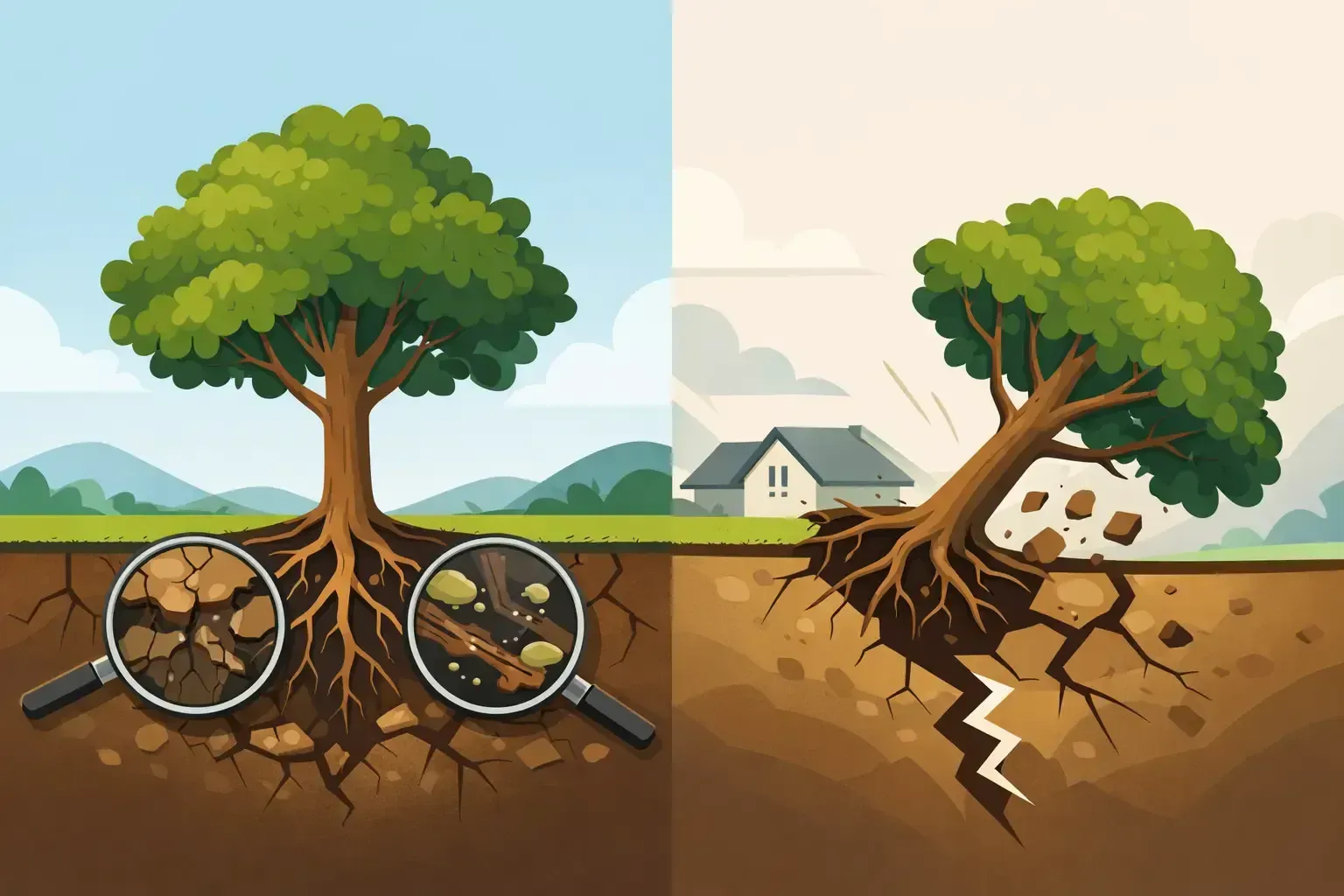
A tree that fails during a storm does not always finish falling when the wind stops. Broken limbs can hang high in the canopy under tension. Split trunks can stay standing for hours or days before giving way. Root plates can lift on saturated ground and shift again once the soil starts drying. If the tree is resting on a structure, fence, vehicle, or another tree, the weight distribution may be unstable and hard to read from the ground.
That is the part many property owners do not see right away. A branch on the roof looks like a branch on the roof. In reality, it may be tied into the rest of the canopy, loaded with tension, and capable of rolling, springing, or dropping when cut in the wrong sequence. Storm work is technical work. It takes planning, experience, and the right equipment to break down the load safely.
There is also the utility risk. If any limb or trunk is touching service lines or lying near electrical infrastructure, the area should be treated as energized until the utility provider says otherwise. No cleanup goal is worth gambling with power lines.
When emergency tree removal after storm is the right call
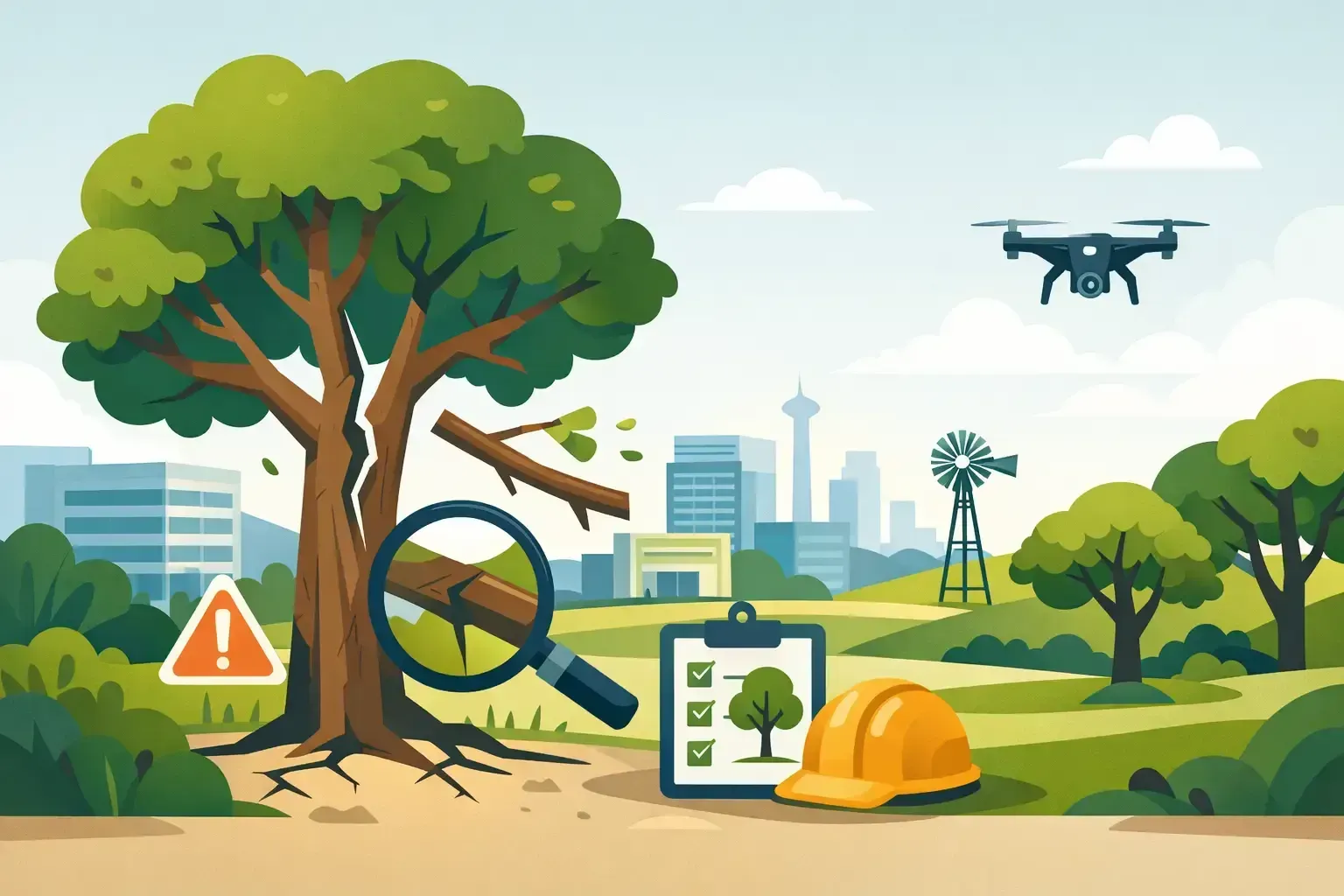
Not every damaged tree needs full removal. Some trees can be pruned, reduced, cabled, or monitored after a professional assessment. But emergency tree removal
after storm events is usually warranted when the tree has failed structurally, poses immediate risk to people or buildings, or cannot be restored with reasonable stability.
A few examples are clear-cut. If a tree is uprooted and leaning toward a house, if the trunk has split through the main scaffold union, or if the canopy is so compromised that the remaining structure is likely to fail in the next wind event, removal is often the safest path. The same goes for trees that have landed on structures and must be dismantled in sections to avoid causing more damage.
Other situations depend on species, age, health, and location. A younger tree with one failed leader might be salvageable. A mature tree with internal decay, storm cracks, and root instability may not be a good candidate for saving, even if part of the canopy still looks green. This is where certified expertise matters. Tree work should not be a guessing contest, especially when your home, vehicles, livestock areas, or access roads are in play.
What to do first after a storm hits your property
Start with distance. Keep family members, guests, tenants, and pets away from the damaged area. Do not walk under hanging limbs. Do not climb on the tree. Do not start cutting branches that are bent, suspended, or pinched under load. Those cuts can release force instantly.
If a tree is touching or near electrical lines, call the utility provider first. If there is an active life safety hazard, call emergency services. Once the scene is stable, take photos from a safe location. That helps with documentation and gives your tree service provider a better sense of what they are walking into.
After that, think in priorities, not appearances. The biggest pile of debris is not always the most urgent problem. A cracked limb over a front entry, a tree blocking emergency access, or a partially uprooted oak near a bedroom may deserve attention before scattered brush in the yard.
Why professional storm response is different from routine tree work
Routine trimming is planned around structure, health, clearance, and aesthetics. Storm response is about hazard control under unstable conditions. The work often involves rigging compromised wood, working around structures, reading pressure points, and removing material in a sequence that manages movement instead of triggering it.
That difference matters. A crew that is fine for basic cleanup may not be equipped for technical removals after severe weather. Heavy wood suspended over roofs, tangled canopies, and damaged trunks require a methodical approach. The right team evaluates access, drop zones, load paths, equipment placement, and cleanup flow before the first serious cut is made.
Good communication matters just as much. Property owners deserve a plain-English explanation of what is dangerous, what can wait, what can be saved, and what the cleanup process will look like. Storm damage
already creates enough stress. You should not have to chase answers while someone with a chainsaw figures it out on the fly.
The insurance question most property owners ask
After a storm, people usually want to know two things right away: how fast can this be handled, and will insurance cover it. The coverage side depends on your policy and the exact circumstances. In many cases, insurers may cover tree removal when the tree caused damage to an insured structure or blocked access such as a driveway. They may be less likely to cover removal for a tree that simply fell in the yard without hitting anything.
That is why documentation matters. Photos, timestamps, and a clear record of visible damage help. It also helps to work with a company that can provide organized estimates and scope details instead of vague numbers scribbled on the back of a business card. Clear paperwork does not just look professional. It can make the post-storm process easier.
What happens during a professional emergency removal
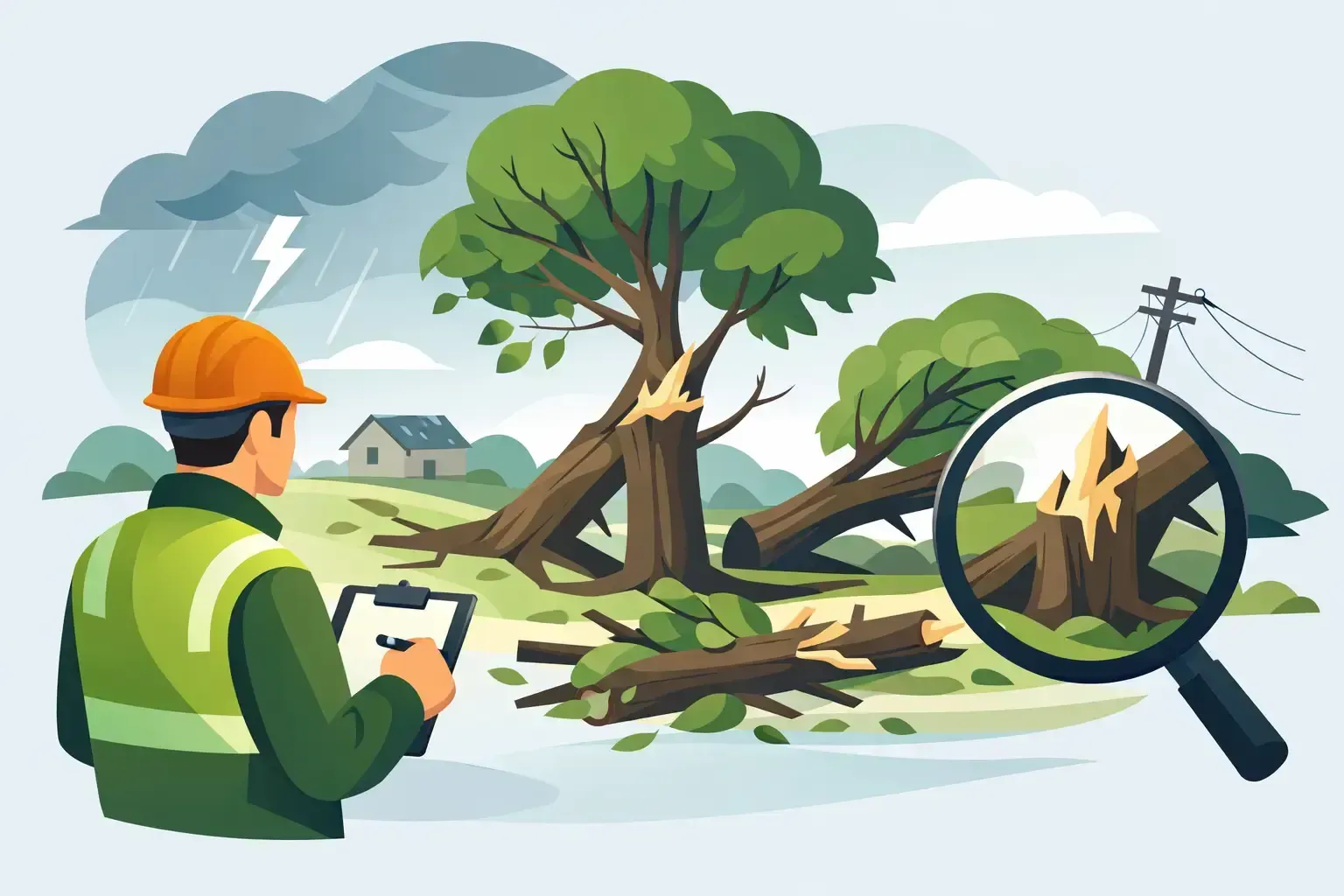
First comes the site assessment. The crew identifies immediate hazards, structural damage, equipment access, utility concerns, and whether the tree can be stabilized, dismantled, or needs to remain untouched until another party secures the area. Then the removal plan is built around safety and control.
In some cases, the fastest-looking option is not the safest option. A tree lying across a roof may need to be removed in small sections with careful rigging to avoid punching through shingles, gutters, or framing. A broken limb lodged high in the canopy may require climbing or aerial access and a very specific cut order to control swing and release.
Cleanup is part of the job, but it should come after the hazard is neutralized. A quality crew does not just cut and leave. They restore access, remove debris as agreed, and leave the site far safer and more usable than they found it.
Storm cleanup is also a chance to reduce the next risk
Once the emergency is handled, it is worth stepping back and looking at why the damage happened the way it did. Sometimes the answer is simple bad luck. Sometimes the property had warning signs - overextended limbs, included bark unions, deadwood, poor canopy structure, overcrowding, or unmanaged brush adding pressure points and fire load.
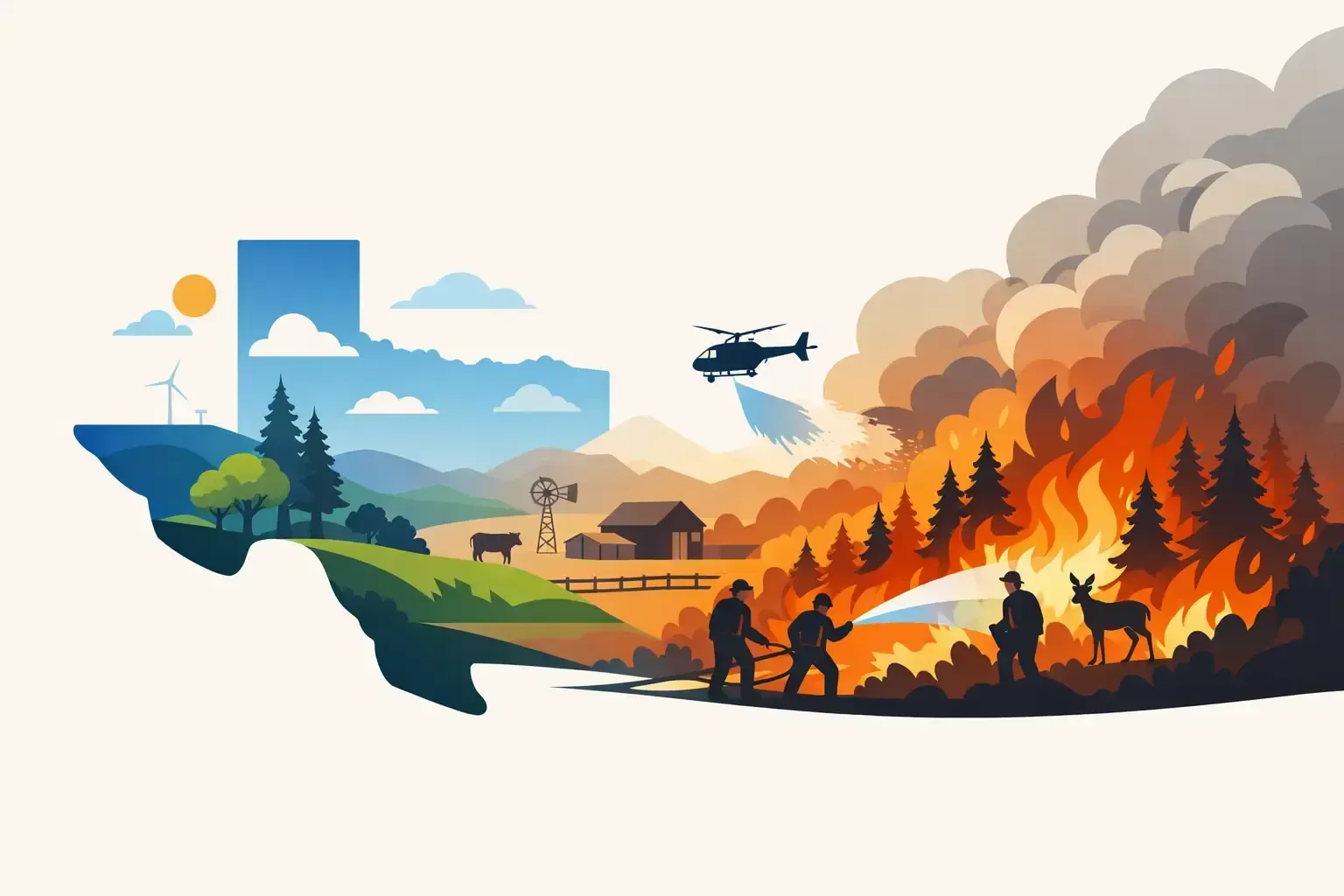
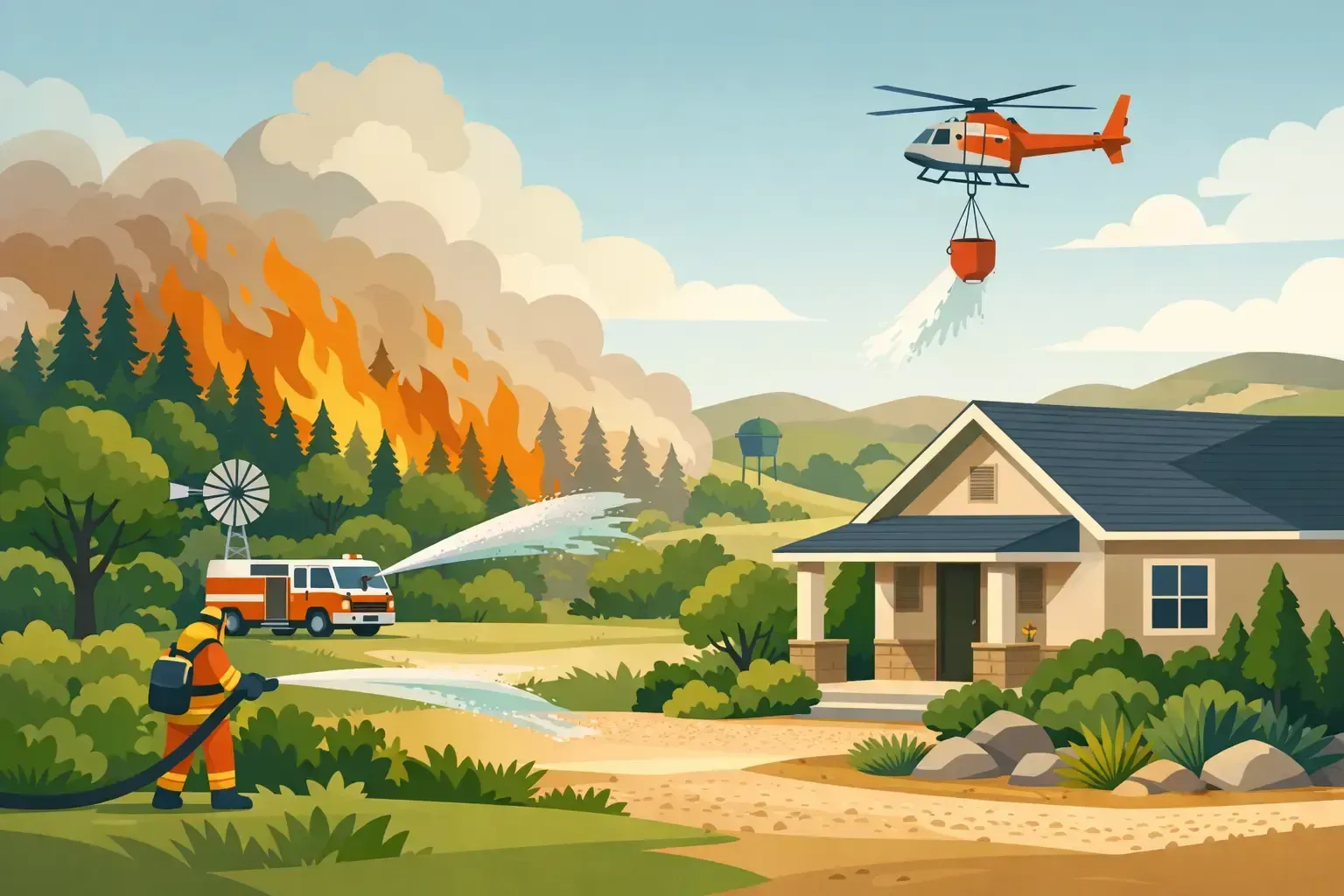
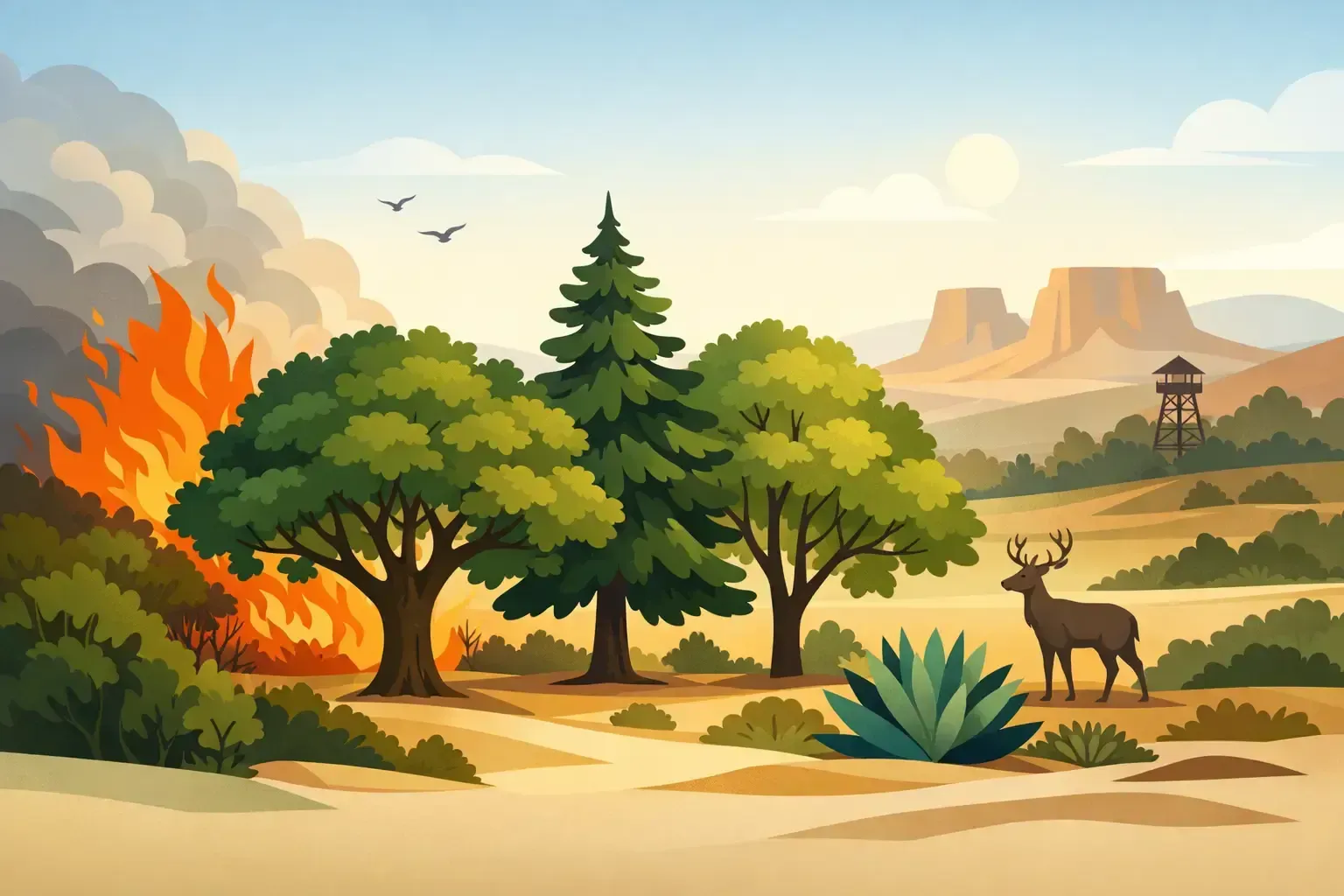
That is especially relevant in Central Texas, where storm recovery and wildfire preparedness can overlap more than people expect. Dense brush, poorly spaced trees, low limbs, and stressed canopies do not just make properties harder to manage after storms. They can also increase wildfire exposure in dry periods. Smart post-storm pruning, thinning, and hazard mitigation can improve both safety and long-term land performance.
This is where an engineering-minded tree service earns its keep. The best crews do more than remove what failed. They help you see what is still vulnerable, what can be improved, and how to make the property cleaner, safer, and more resilient before the next round of weather rolls through.
Choosing the right company when the pressure is on
The best move, in our opinion, is to have Dynamo Dusty's out to your property before storms hit - better to have an existing relationship than rush to find one in the chaos.
Storms create urgency, and urgency attracts rushed decisions. That is when property owners are most likely to hire the wrong crew. Look for a company that communicates clearly, explains the plan, carries itself professionally, and treats tree work like skilled risk management rather than weekend chainsaw theater.
Credentials help. Experience with technical removals helps more. So does a reputation for showing up, doing what was promised, and leaving the property in good shape. If a company cannot explain why a tree should be removed, how they will remove it, and what risks they are managing, keep looking.
Dynamo Dusty's Tree Service was built for exactly this kind of work - fast response, disciplined execution, and clear communication when property owners need steady hands the most.
After a storm, the goal is not just to make the damage disappear. The goal is to make your property safe, stable, and ready for what comes next.