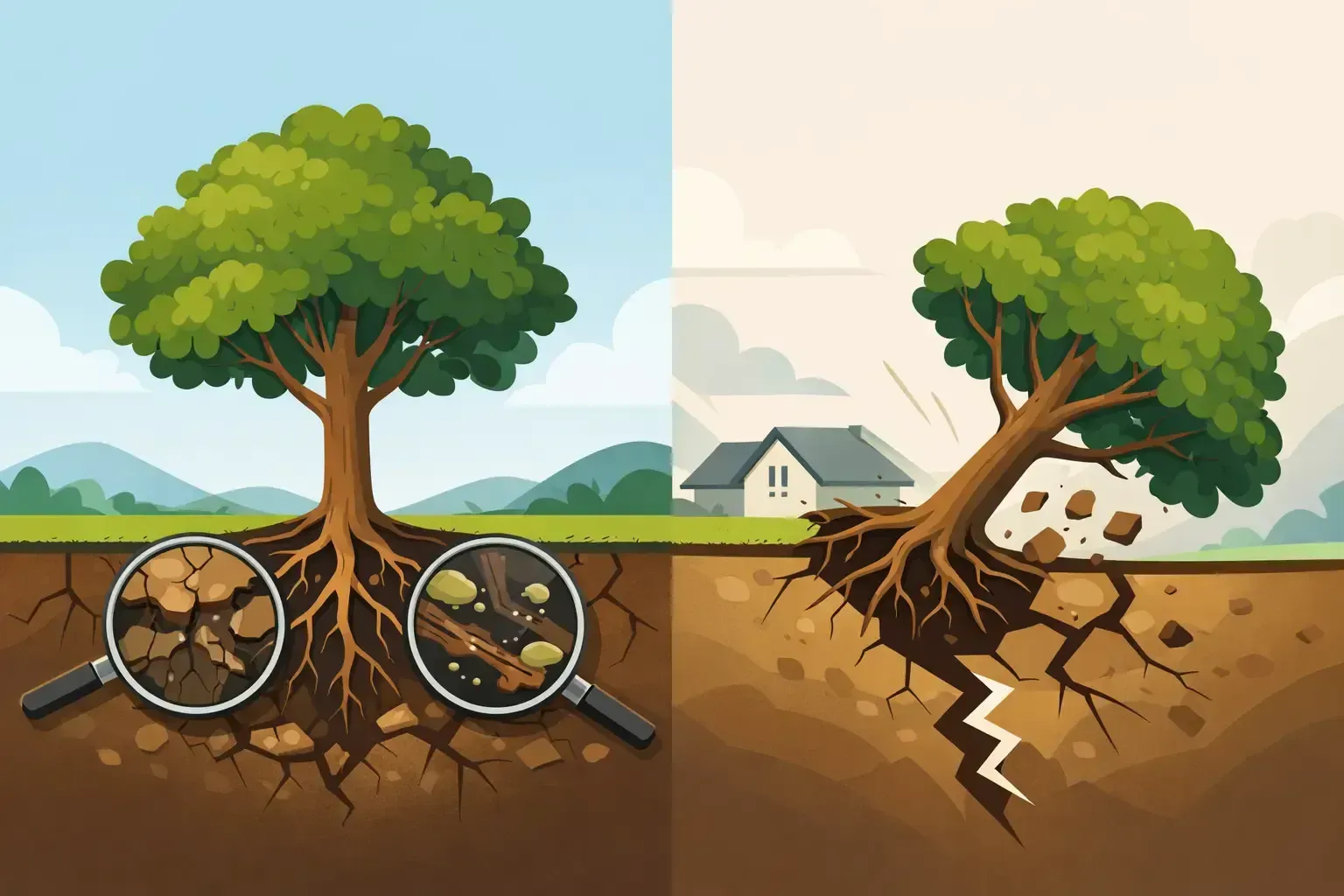


A half-acre packed with cedar, mesquite, rock, and tangled brush does not price out the same way as an open lot with a few saplings. That is the real answer behind how much does land clearing cost - it depends on what is growing, what needs to stay, how clean you want the finish, and whether the goal is simple access, wildfire risk reduction, or a full site reset.
For Central Texas property owners, the range can swing fast. A light brush cleanup may cost a few thousand dollars. A dense acreage project with selective tree preservation, haul-off, and finish grading can climb much higher. The good news is that land clearing pricing is not mysterious when you know what contractors are actually measuring.
How much does land clearing cost on most properties?
Most land clearing projects fall somewhere between roughly $1,500 and $10,000+, but that broad range only tells part of the story. Small, lightly overgrown residential jobs may sit on the lower end. Multi-acre ranch work, commercial tracts, or lots with dense cedar, heavy debris, and access issues can push well beyond that.
Some contractors price by the acre, while others price by the job. Per-acre pricing often works for larger, more uniform sites. Project-based pricing is more accurate when the property has a mix of tree density, slope changes, structures, fences, rock shelves, septic areas, or trees that need to be preserved.
If you hear a number that sounds suspiciously cheap, it usually means one of two things. Either the scope is very limited, or the quote leaves out key pieces like debris haul-off, stump treatment, selective thinning, or cleanup quality. Cheap clearing can get expensive fast when the result is torn-up soil, damaged trees, or piles of slash left behind.
What actually drives land clearing cost?
The biggest cost factor is density. Light grass and scattered brush are one thing. Thick cedar breaks, mesquite clusters, deadfall, and intertwined understory are another. The more material there is to cut, process, move, and dispose of, the more labor and equipment the project requires. Clearing and thinning precisely is often done manually by high end arborists like Dynamo Dusty's Tree Service, and the work is exceptionally physically demanding.... crews often burn 5,000 to 7,000 calories a day - in the Texas heat.
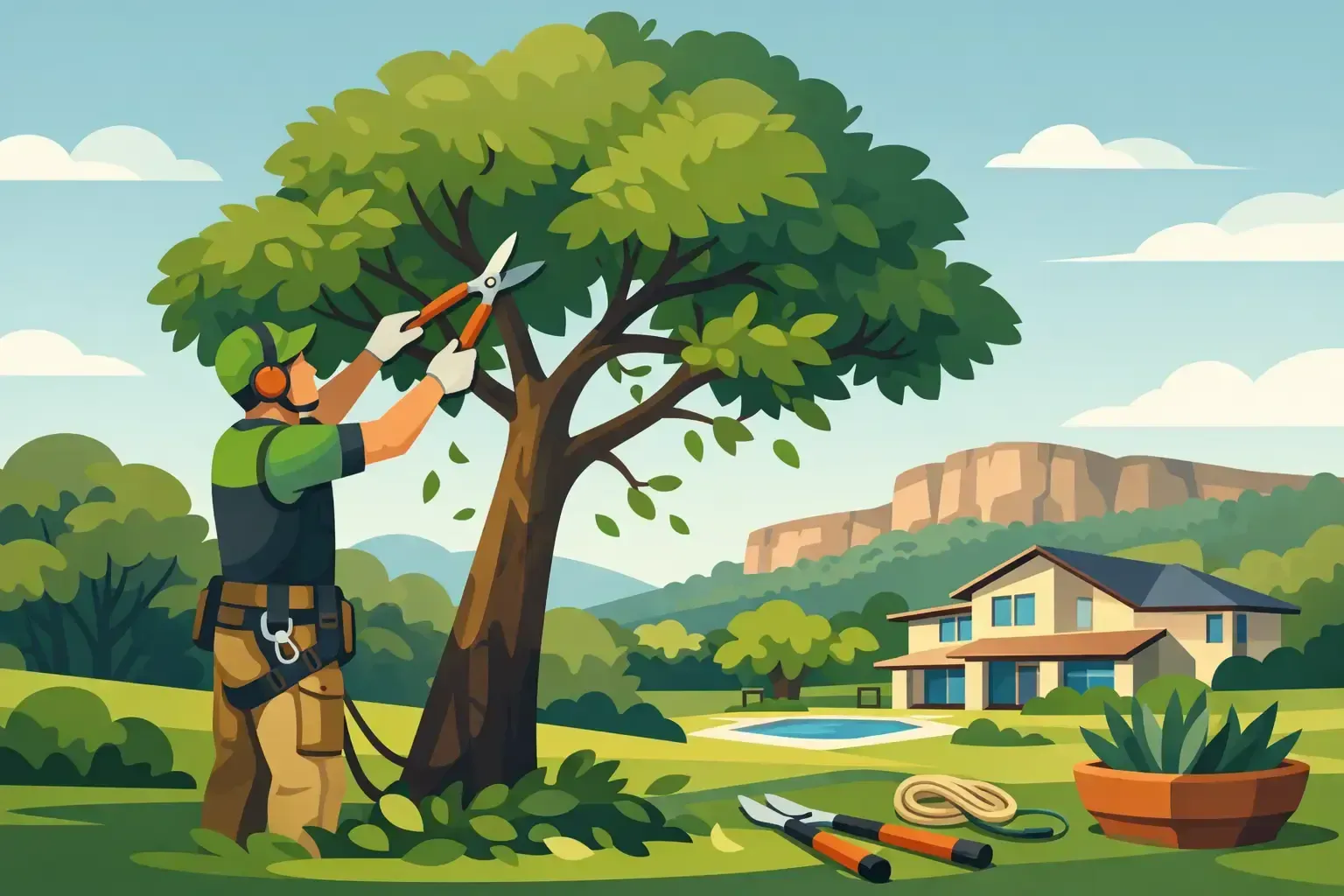
Tree size matters. Small brush can often be cleared quickly. Mature trees, protected specimens, or trees near homes, driveways, utilities, and fences call for a much more controlled approach. That takes planning, skill, and time.
Access is another major price driver. If crews and equipment can move freely, production goes up and costs stay more efficient. If the site has narrow gates, soft ground, steep grades, rock outcrops, or limited staging space, the work slows down. A crew may need smaller equipment, more hand labor, or multiple passes to protect the property.
Then there is the finish level. Some owners just want rough clearing so they can reclaim usable space. Others want a polished result with selective tree retention, understory thinning, chip distribution, haul-off, and a clean final appearance. That second option costs more, but it also looks better and usually performs better long term.
Per-acre vs. project pricing
If you are searching how much does land clearing cost, you will often see per-acre numbers online. Those can be useful for rough planning, but they are not reliable enough to budget a real job without a walkthrough. Every property is unique and has its unique challenges.
A lightly wooded acre may be far less expensive than a heavily congested acre with dead trees, invasive brush, and poor equipment access. Two properties with the same size can have wildly different costs because one is basically maintenance clearing and the other is a controlled extraction project.
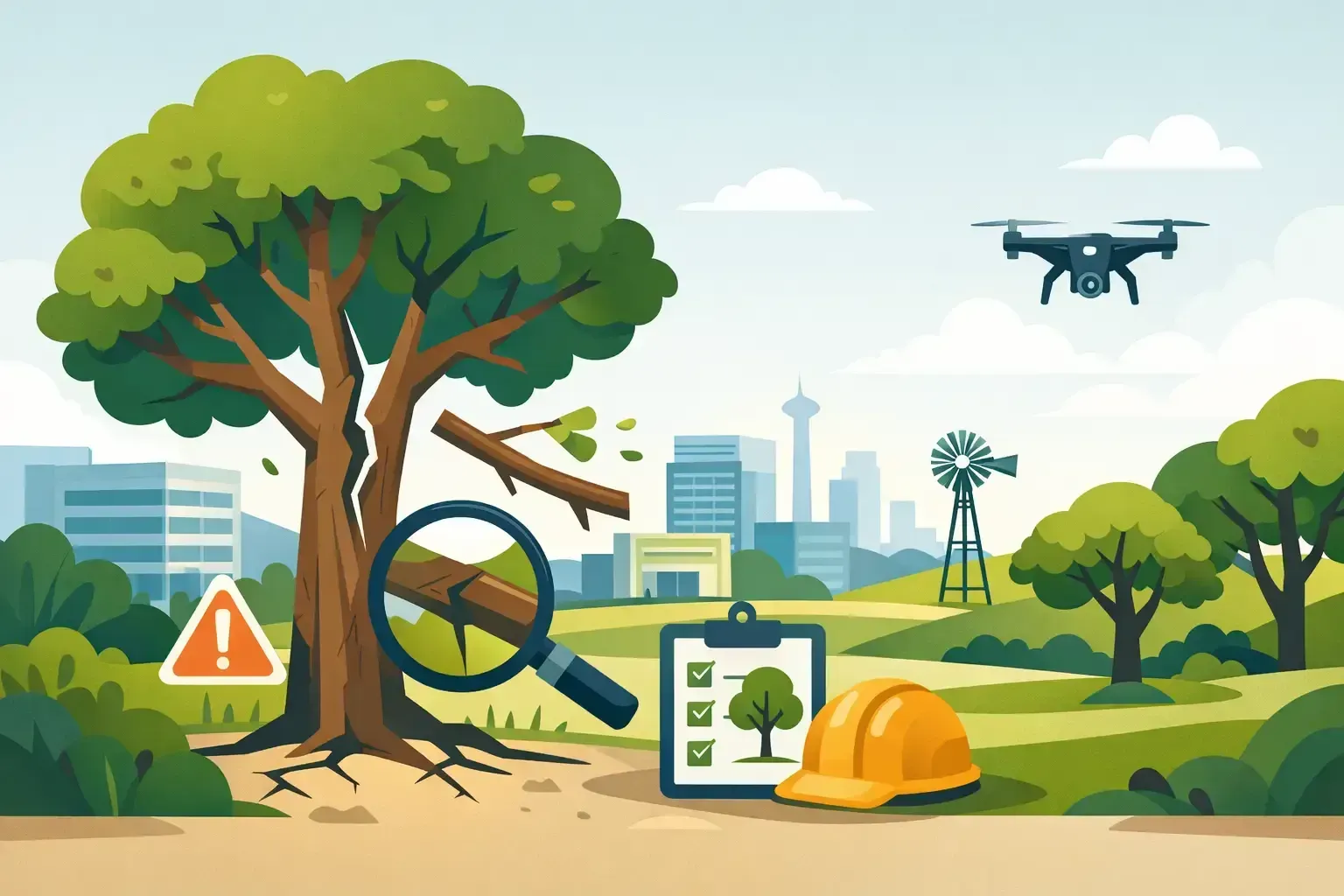
That is why experienced contractors prefer to inspect the property before committing to a number. They are looking at terrain, vegetation type, safety concerns, preservation goals, and how to complete the work without creating new problems. Dynamo Dusty's handles this aspect with an engineering approach.
Typical land clearing cost ranges by job type
For a small residential cleanup on a lot with light brush and a few nuisance trees, pricing may start around $1,500 to $3,500. This kind of work often focuses on visibility, usable yard space, or cleaning up neglected edges.
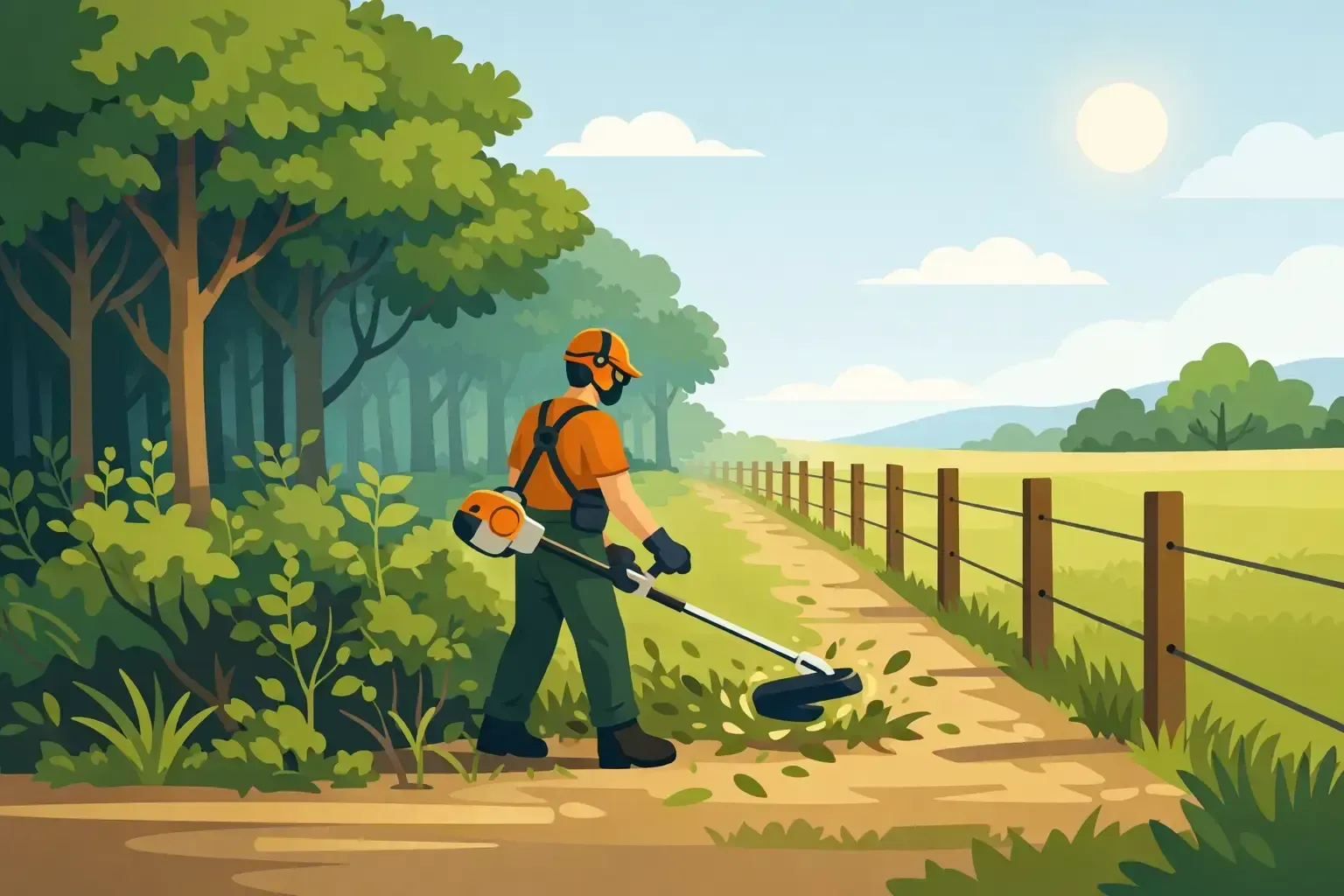
For medium-sized projects with moderate brush density, selective thinning, and debris processing, many jobs land in the $3,500 to $8,000 range. This is common for larger home sites, road frontage cleanup, fence line clearing, or preparing a property for improved access and fire safety.
For large-acreage or heavily wooded properties, costs often begin around $8,000 and can increase significantly based on scope. Ranches, commercial parcels, and high-risk wildfire mitigation projects
may involve specialized equipment, careful tree selection, erosion awareness, and multiple work phases.
These are broad planning numbers, not firm bids. The honest answer is that the exact price lives in the details.
Wildfire mitigation changes the scope
In Central Texas, land clearing is often not just about appearance. It is about defensible space, fuel reduction, and giving your home or improvements a better chance if fire moves through the area.
That kind of work is more strategic than simply removing everything. A disciplined contractor may preserve healthier canopy trees, reduce ladder fuels, thin overcrowded stands, and improve spacing between vegetation. The goal is not a scalped lot. The goal is a property that is safer, more functional, and still looks like it belongs in the Hill Country.
Because wildfire mitigation is selective, it can cost more than a quick bulk-clearing pass. But it usually delivers better long-term value. You get risk reduction without wrecking the landscape you paid for.
Hidden costs property owners miss
Stump work is one of the most common surprises. Some clearing quotes remove above-ground material but leave stumps in place. That may be fine for rough land management, but not for building, mowing, or a cleaner final result.
Debris disposal is another one. Will the material be chipped and spread, stacked on site, burned where permitted, or hauled off? Each method affects labor, equipment needs, and final price.
There can also be added costs for permits, utility marking coordination, fence protection, erosion control, or working around septic systems and drainage features. None of these are bad signs. They are signs the contractor is thinking ahead instead of winging it with a chainsaw and a handshake.
How to keep land clearing costs under control
The best way to manage price is to get clear on the outcome you actually want. If your main goal is access and wildfire reduction, you may not need a golf-course finish. If you are preparing to build or sell, a more refined finish may be worth every dollar.
It also helps to define what stays and what goes. Selective preservation prevents confusion, rework, and accidental removal of desirable trees. A good walkthrough can save money simply by tightening the scope before equipment ever rolls in.
Timing matters too. Emergency or rush work often costs more, especially after storms when crews are stretched thin. Planning ahead gives you better scheduling flexibility and a cleaner execution.
Why the cheapest bid usually is not the best bid
Land clearing can be done fast, or it can be done right. The best crews balance both. They move with purpose, communicate clearly, protect the trees and improvements that matter, and leave the property better than they found it.
A bargain bid may skip the planning, use the wrong equipment, over-clear valuable trees, or leave a rough mess behind. That can hurt curb appeal, reduce shade, create erosion issues, and saddle you with cleanup costs later. On higher-value properties, precision is not a luxury. It is part of protecting the asset.
That is especially true when the property has mature trees, structures, or wildfire exposure. A disciplined, arborist-informed approach costs more than basic brush knocking, but it can also prevent expensive mistakes.
What to ask before approving a quote
Before you sign off, ask what is included in the price and what is not. You want to know how debris will be handled, whether stumps are included, what finish level to expect, and how the crew will protect desirable trees, fences, driveways, and utilities.
Ask how the contractor decides what to remove and what to preserve. Ask whether the property will be left rough-cut or clean-finished. Ask how weather, access, and hidden site conditions could affect final pricing.
A solid contractor should be able to explain the plan in plain English. No smoke. No mystery. Just a clear scope, a clear price, and a clear result.
If you are trying to budget for land clearing, use online ranges as a starting point, not a promise. The smartest next step is a site visit
with someone who understands trees, brush dynamics, access, safety, and land use goals, and who invests the time and effort ahead of time to provide a thorough and detailed proposal. A good walkthrough turns guesswork into a plan, and a plan is what keeps your property safer, cleaner, and ready for what comes next.