
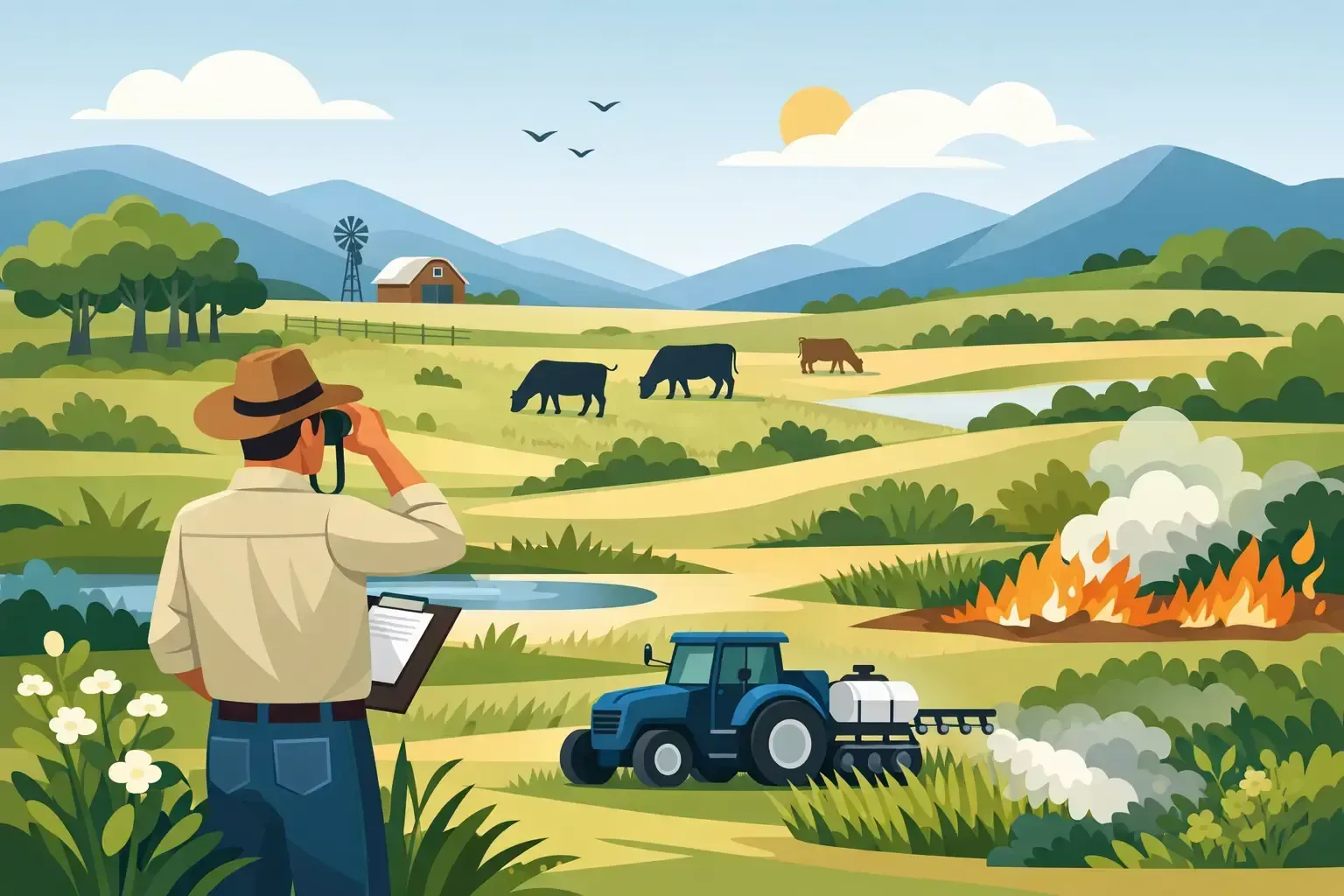
One spark in dry grass can turn a quiet afternoon into a very expensive problem. Around Central Texas, that is not fear-mongering - it is land reality. Wildfire risk mitigation is what turns a property from easy fuel into a place that gives fire less to work with, less room to move, and fewer chances to reach structures, fences, vehicles, and valuable trees.
For homeowners, ranch owners, HOAs, and commercial property managers, the goal is not to make land look stripped bare. Good mitigation work is more disciplined than that. It is about reducing fire intensity, improving access, protecting what matters most, and doing it in a way that still respects the health, beauty, and usability of the property.
What wildfire risk mitigation actually means
A lot of people hear the phrase and picture a crew showing up to clear everything in sight. That is usually poor planning disguised as action. Effective wildfire risk mitigation is a site-specific strategy that manages vegetation, spacing, dead material, and access points so fire has a harder time spreading and crews have a better chance of defending the property.
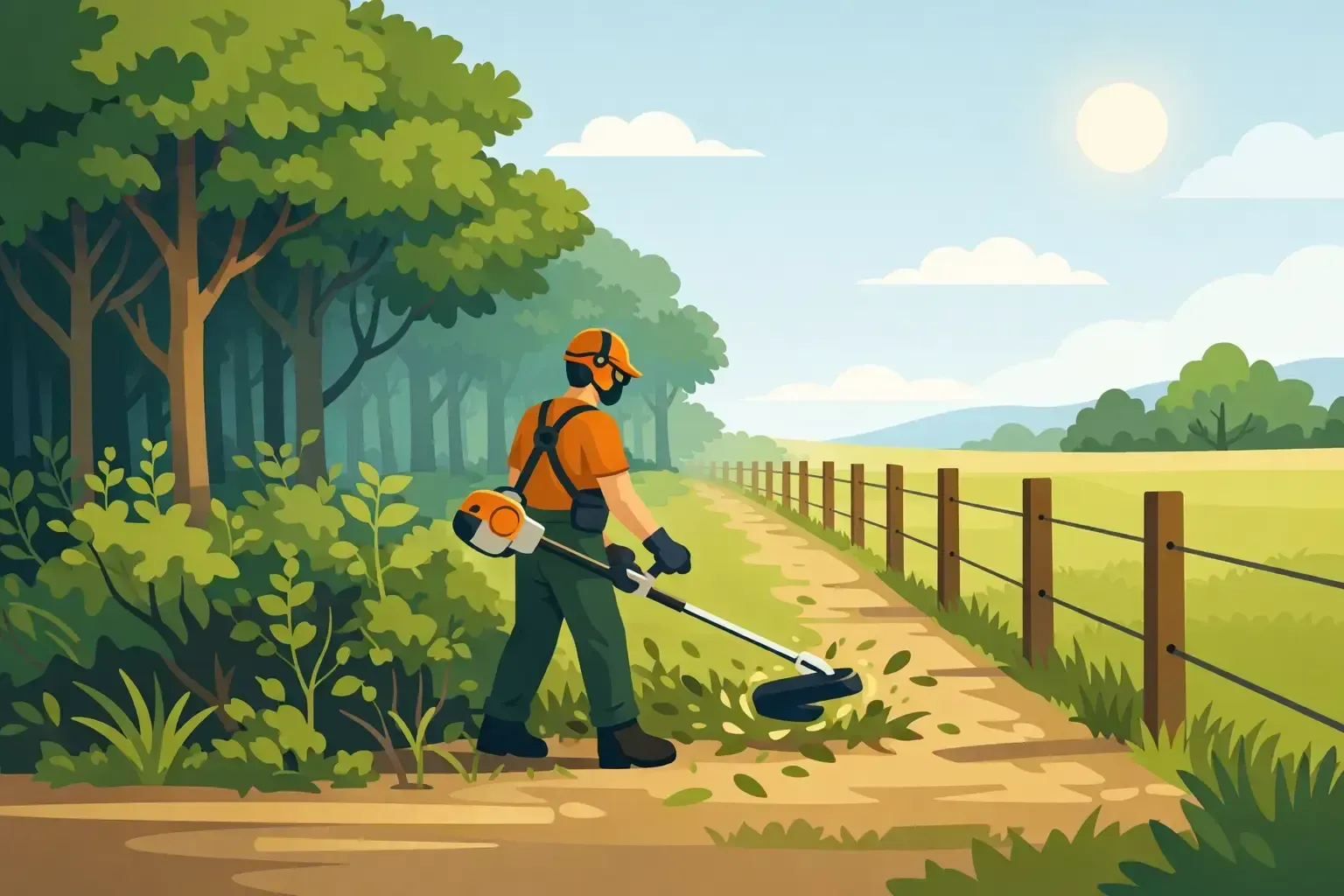
That can include thinning dense growth, reducing ladder fuels, removing deadwood, pruning for clearance, opening up choke points, and improving the zones around homes, barns, shops, roads, and utility corridors. The exact prescription depends on the land. A tight neighborhood lot in Austin has different needs than a ranch outside Driftwood or a commercial tract near Buda.
There is always a balance to strike. Remove too little and you leave heavy fuel in place. Remove too much and you can stress desirable trees, expose soil, and create a landscape that feels harsh and unfinished. That is why trained judgment matters. Fire behavior, tree health, aesthetics, drainage, and future maintenance all need to be considered together.
Why some properties are at higher risk than owners realize
Wildfire exposure is not only about being "out in the country." We see plenty of properties that look tidy from the driveway but still carry serious risk. Often the problem is hidden in the transitions - where ornamental landscaping meets native brush, where cedar and understory growth stack fuel vertically, or where dead material has quietly collected behind outbuildings and along fence lines. This area is known as the "Wildland Urban Interface" (WUI.)
The biggest red flags are usually density, continuity, and neglect. If brush, grasses, low limbs, leaf litter, and dead woody material connect across the landscape, fire has a path. If that path leads toward a home or structure, the risk climbs fast. Add drought, wind, and limited access for emergency response, and a manageable issue becomes a dangerous one.
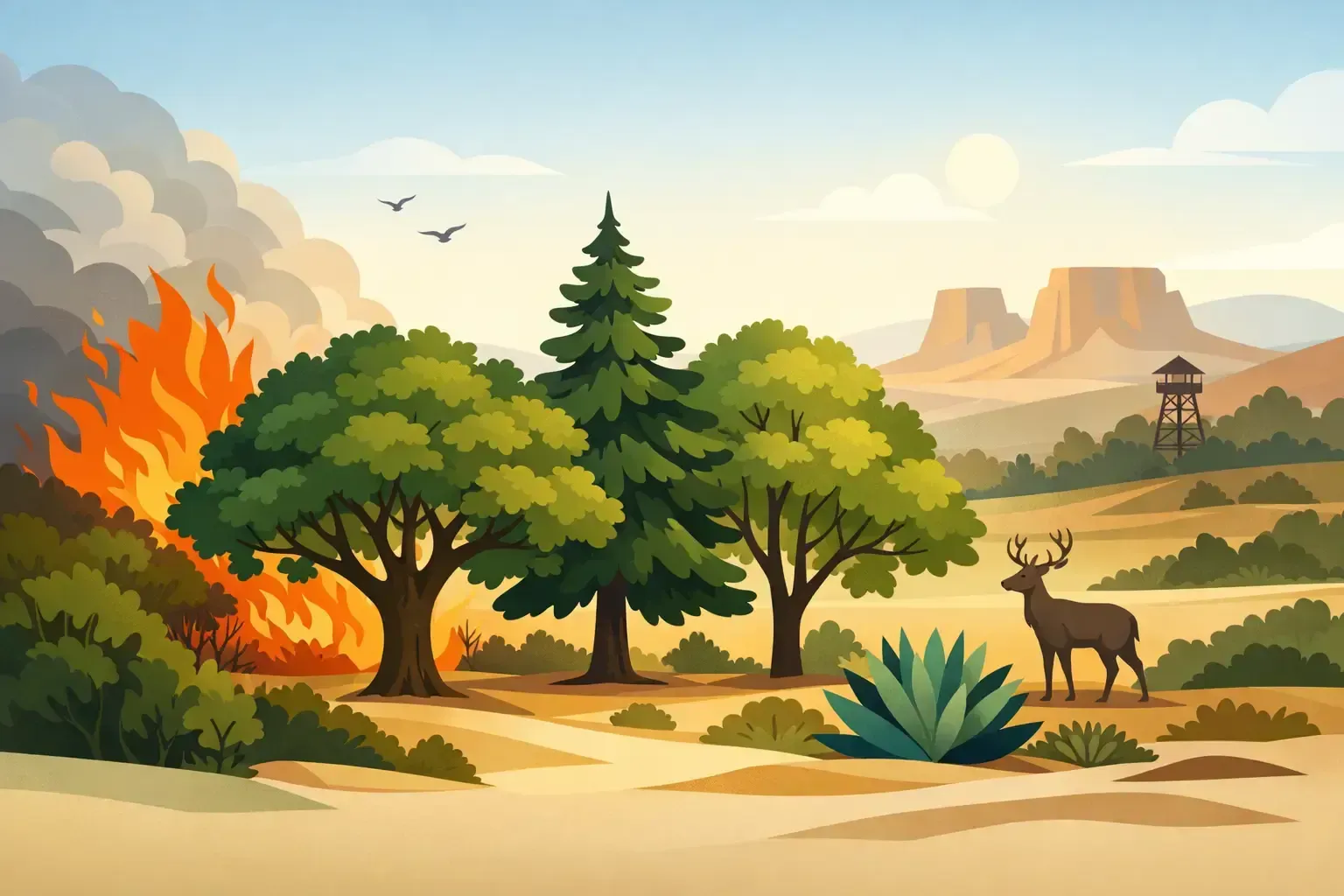
Central Texas properties also deal with a tough mix of conditions: long dry stretches, heat, flashy fuels, and vegetation that can get thick in a hurry. A property that felt under control two seasons ago may now be carrying far more fuel than the owner realizes.
The smartest wildfire risk mitigation starts near what matters most
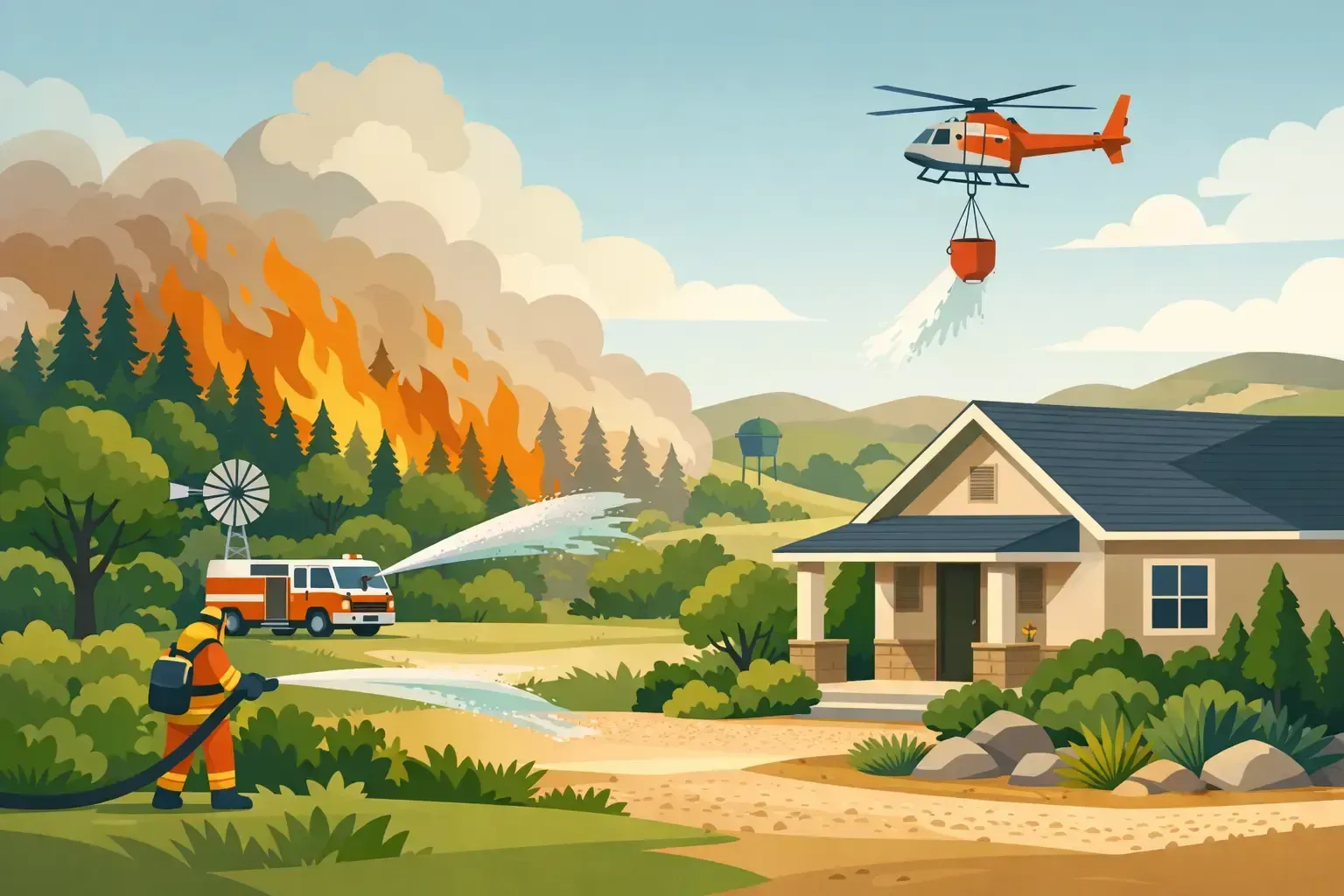
When budgets and timelines are real, the best approach is usually to work from the structure outward. Start with the home, guest house, barn, office, shop, or any asset you would hate to lose. Then evaluate the immediate surrounding area for combustible vegetation, overhanging limbs, debris buildup, and pathways that could carry fire to the structure.
This is where disciplined planning beats random cleanup every time. The first priority is often reducing fuels closest to improvements and creating cleaner, more defensible space. After that, attention shifts to travel corridors, fence lines, slopes, drainages, and vegetation clusters that could funnel heat and flame.
Not every tree is the enemy. Mature, well-spaced, properly maintained trees can be valuable parts of a mitigation plan. They can break up fuel continuity, improve appearance, and support long-term property value. But they need room, maintenance, and separation from lower fuels. If a beautiful canopy sits over thick brush and dead buildup, the problem is not the tree alone - it is the fuel arrangement underneath and around it.
Wildfire risk mitigation and tree care have to work together
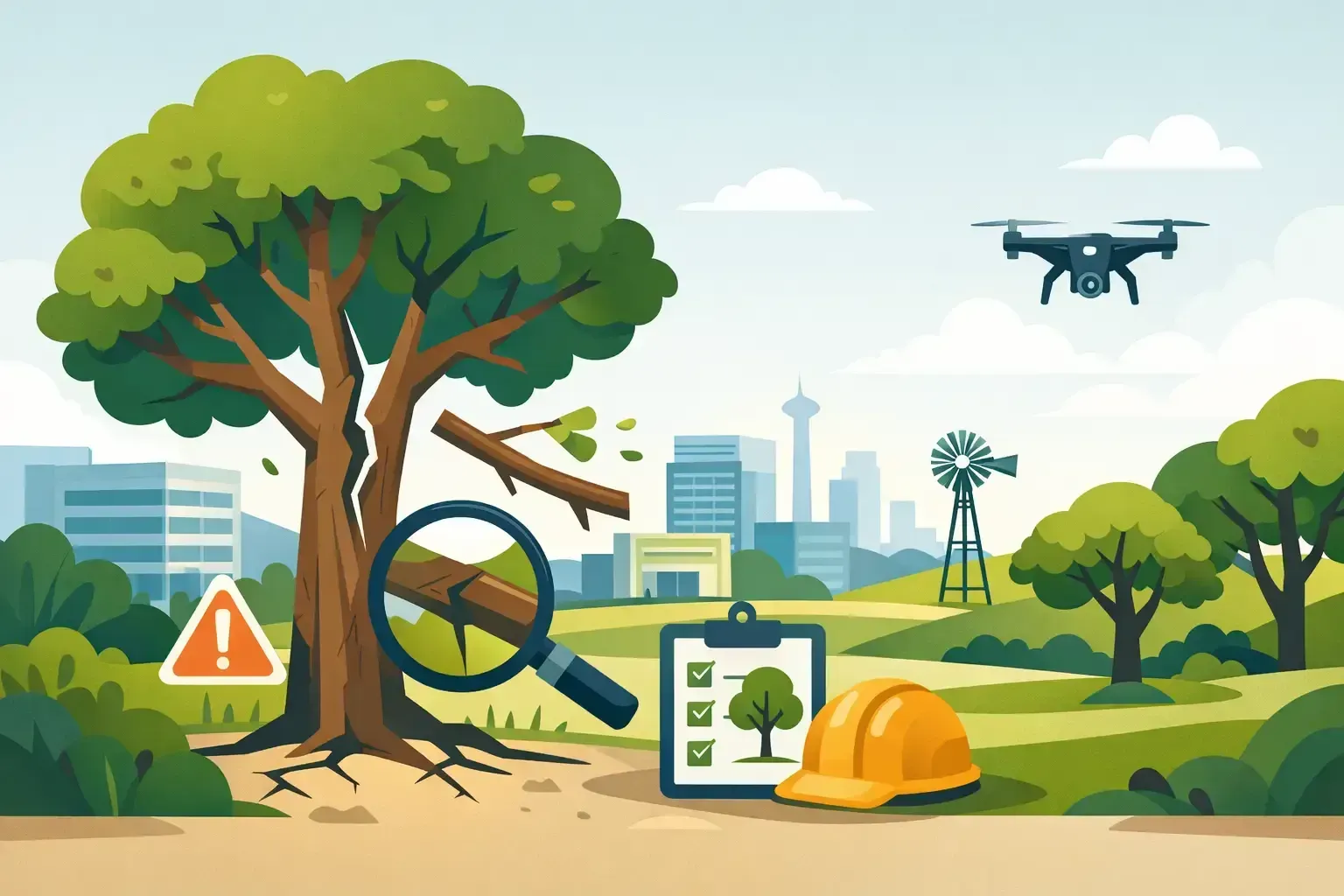
This is where a lot of land clearing jobs go sideways. Fire reduction work done without arboricultural judgment can leave behind stressed trees, poor cuts, ugly results, and a property that still needs fixing later. On the other hand, tree work that focuses only on appearance can miss major fuel problems.
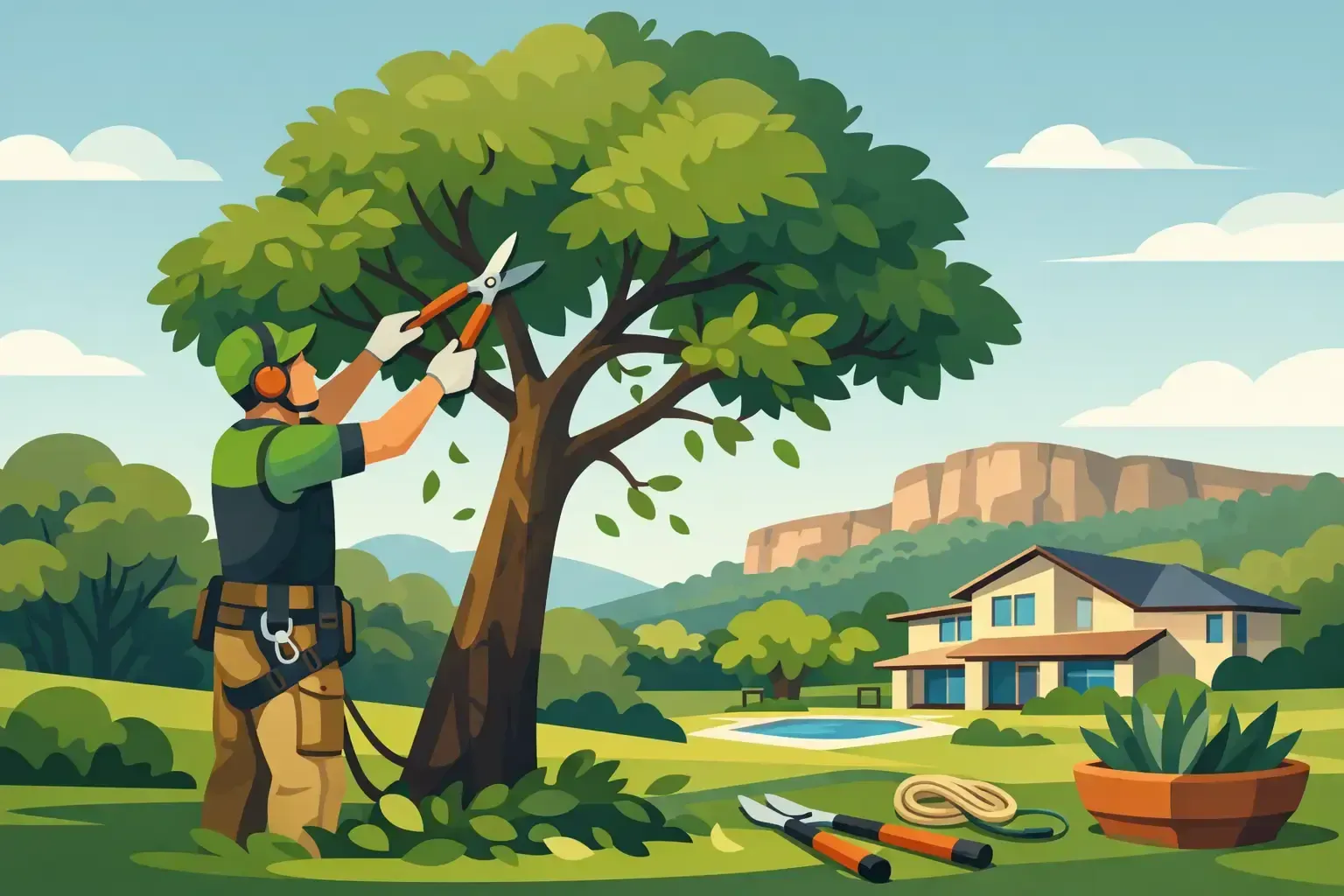
The better approach combines both. Healthy trees matter, but so do spacing, crown separation, understory control, and dead material removal. Pruning should support tree health
and reduce hazard, not create weak structure or unnecessary stress. Thinning should improve stand conditions, not turn the site into a moonscape.
For example, a dense stand of smaller trees may need selective reduction so remaining trees have better spacing and lower competition. In another area, the right move may be to preserve strong specimen trees while removing volatile brush, dead limbs, and overcrowded saplings beneath them. On a ranch road or private drive, improving access and visibility can be just as important as reducing fuel.
That is one reason property owners often get better long-term outcomes from teams that understand both vegetation management and tree biology. Fire safety and tree health are not opposing goals when the work is planned correctly.
What a good mitigation plan usually includes
Every property is different, but strong plans tend to share a few traits. First, they are based on the actual layout of the land, not a one-size-fits-all checklist. Second, they focus on fuel arrangement, not just raw volume. Third, they account for future maintenance, because mitigation is not a one-and-done event. And, though not part of the tree-work scope, a trained wildfire risk reduction specialist can make recommendations to harden the home and structures against wildfire, too.
A well-built plan usually addresses dead and down material, crowded growth, low limbs, ladder fuels, brush near structures, and access for vehicles or emergency response. It may also include discussion around disposal methods, timing, seasonal conditions, and how to phase work if the property is large.
That last point matters. On larger acreage, trying to tackle everything at once is not always the smartest move. Sometimes the highest-value strategy is phased mitigation - hardening the most critical areas first, then expanding outward over time. That keeps budgets realistic while still making real progress where it counts.
Why cheap brush clearing can cost more later
Everybody likes saving money. Nobody likes paying twice.
Low-cost crews often promise speed, but speed without a plan can leave uneven results, damaged trees, missed hazards, and a property owner staring at a mess that still does not truly reduce wildfire exposure. Worse, poor cuts and sloppy clearing can create more maintenance, more debris, and more frustration down the road.
Good mitigation work should look intentional when it is finished. Cleaner lines. Better spacing. Improved visibility. Safer access. Healthier retained trees. The property should feel more usable, not just more hacked up.
That is especially important for owners who care about curb appeal, resale value, tenant impressions, or how the land functions day to day. Fire reduction is a safety investment, but it is also a land management decision. The right crew protects both.
When to act on wildfire risk mitigation
If you are waiting for peak fire season to start thinking about fuel loads, you are already late. The best time to assess risk is before conditions tighten up and before your schedule gets crowded with emergency work, storm cleanup, or seasonal property demands.
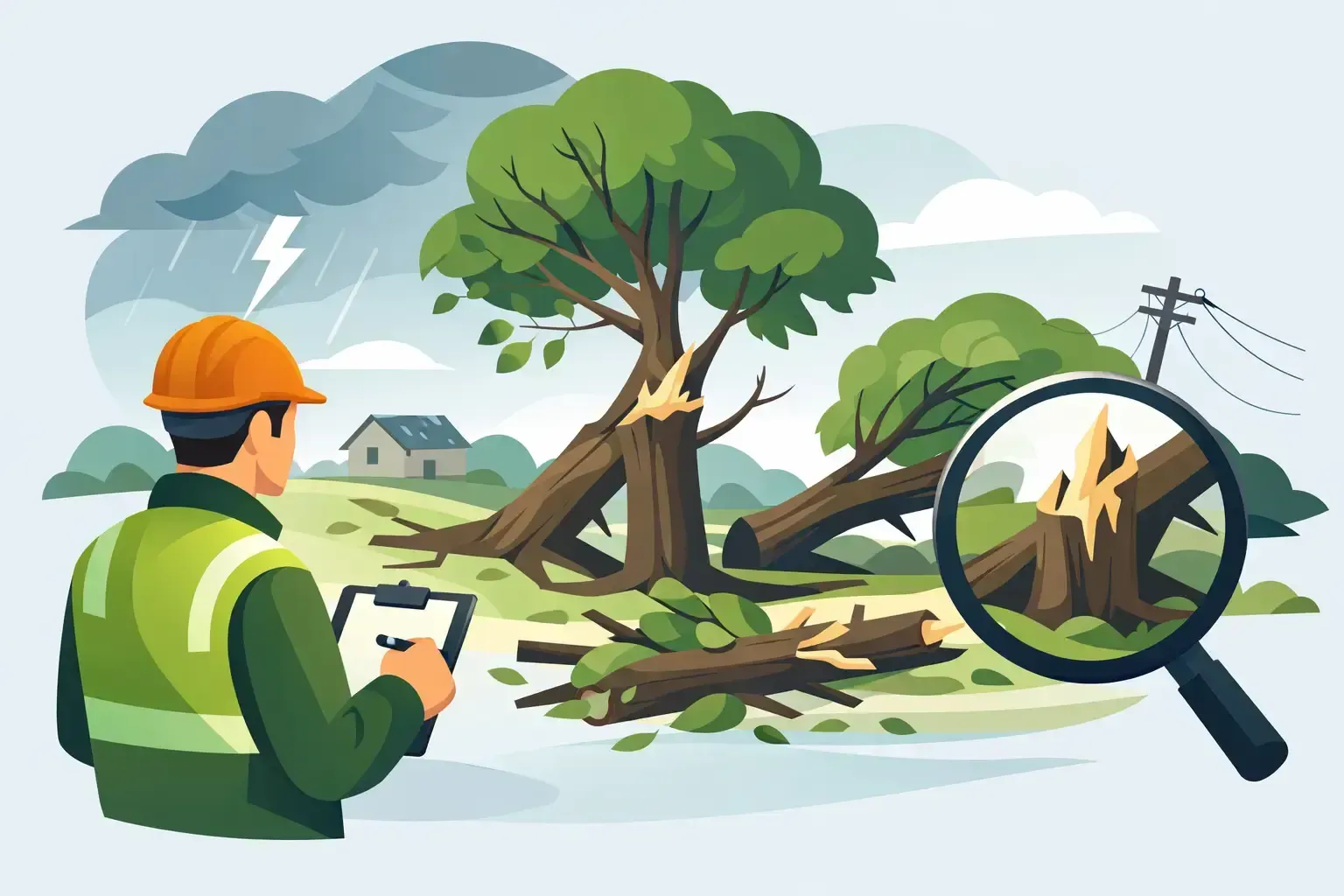
There are a few moments when mitigation makes particular sense: after a period of rapid growth, after storm damage adds debris
to the site, when you acquire a new property, before listing a home or ranch, or anytime you notice density creeping back around structures and access routes. HOAs and commercial managers also benefit from regular review, because deferred vegetation work tends to get more expensive, not less.
If you are not sure whether your property needs a light touch-up or a serious fuel reduction plan, that uncertainty is exactly why a walkthrough helps. A trained eye can usually spot the difference quickly and save you from either overreacting or doing too little.
Dynamo Dusty's Tree Service approaches this work with ISA-certified arborist expertise, including the ISA Wildfire Risk Reduction Qualification, so the goal is not guesswork or chainsaw theater. It is precise, visible improvement that makes your land safer and more functional.
Wildfire does not need an engraved invitation. It just needs fuel, weather, and opportunity. Give it less of all three, and your property stands a much better chance when conditions get rough.