

If you have cedar thickets pushing into fence lines, shin-high regrowth around oaks, or a lot that looks one dry week away from becoming wildfire fuel, the question of brush mulching versus hand clearing gets real fast. Property owners usually are not asking for a philosophy lesson. They want to know what gets the land cleaned up, what protects the good trees, what costs less in the long run, and what leaves the property looking right when the job is done.
That is where the answer gets honest - it depends on the land, the goal, and the level of precision the project needs. On some sites, brush mulching is the clear winner because it moves fast and handles volume well. On others, hand clearing is the smarter play because it gives tight control around desirable trees, structures, rock features, or sensitive areas where every cut matters.
Brush mulching versus hand clearing: what changes on the ground?
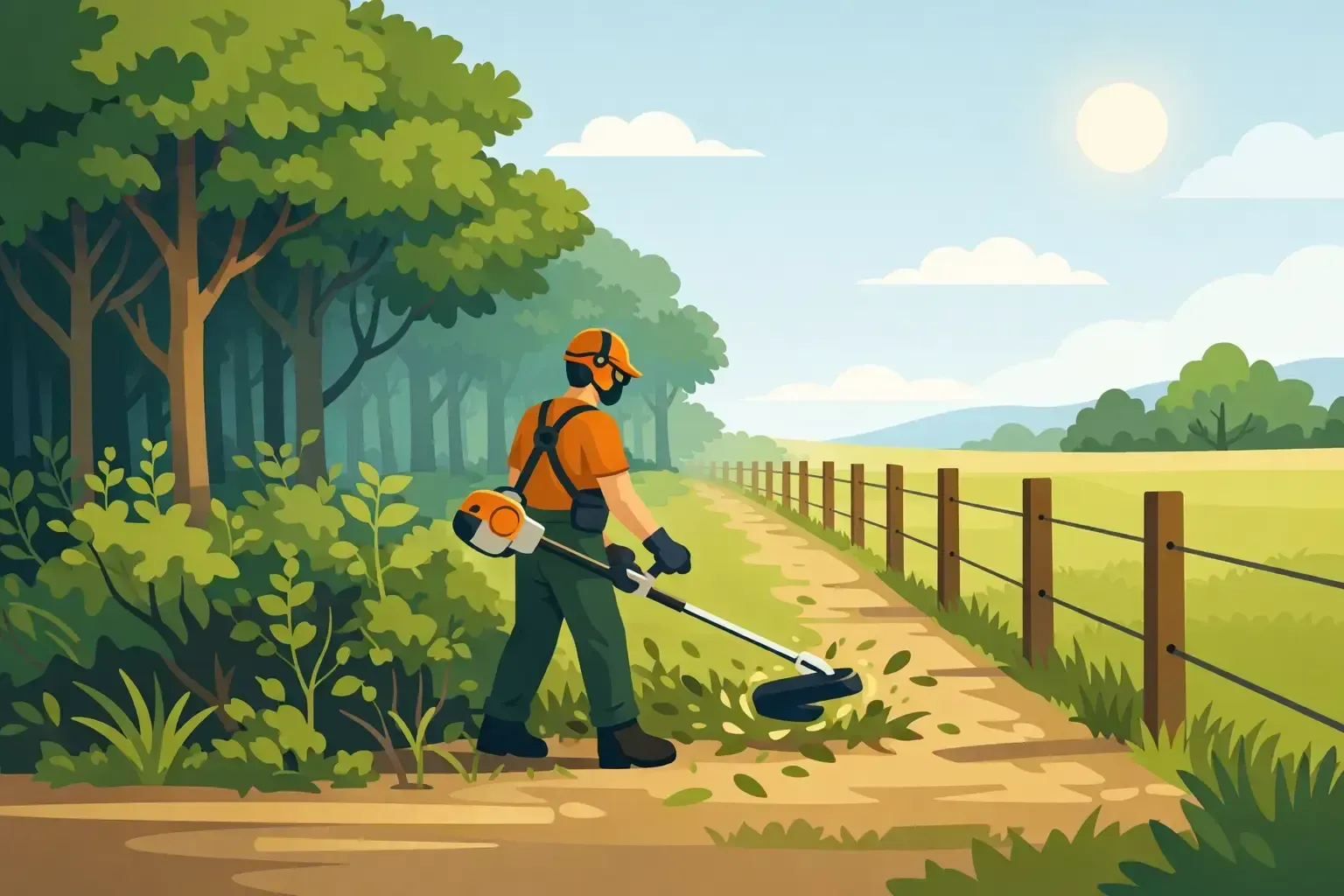
Brush mulching uses specialized equipment to grind brush, saplings, and light woody growth into mulch right on site. It is built for speed, coverage, and efficiency across larger areas. Instead of cutting, stacking, hauling, and disposing of piles, the material is processed where it stands and left behind as a layer of organic mulch.
Hand clearing is more selective. Crews use saws and hand tools to remove unwanted vegetation one stem at a time. That slower pace is not a drawback when the job calls for accuracy. Around native trees, landscape features, narrow access points, or areas where you want a more tailored result, hand clearing gives a level of control that machines alone cannot match.
The biggest difference is not just how the work gets done. It is the finish. Mulching tends to produce a broad, uniform reduction in brush cover. Hand clearing tends to produce a more intentional, curated look, especially where spacing, tree preservation, and detailed cleanup matter.
When brush mulching is the better choice
If you are managing acreage, reclaiming overgrown land, opening up access roads, or reducing wildfire fuel
over a broad footprint, brush mulching usually makes strong sense. It covers ground quickly, which often makes it more cost-effective on larger projects. For ranches, utility easements, undeveloped tracts, and heavily overgrown sections of a property, that production speed matters.
It also helps when the goal is to reduce ladder fuels and restore usable space without turning the site into a disposal project. In Central Texas, where cedar, yaupon, and volunteer brush can take over fast, mulching can knock back density and make a property easier to maintain before conditions get worse.
There is also a practical soil benefit. Because the material is processed in place, the mulch layer can help reduce erosion, slow moisture loss, and soften the look of freshly cleared ground. That can be useful on slopes or bare areas that would otherwise be exposed after aggressive removal.
Still, faster does not always mean better. A machine is only as good as the operator, the plan, and the boundaries set before work starts. If the site has valuable understory, young native trees worth preserving, tight root zones, or decorative elements close to the brush line, production has to be balanced with restraint.
When hand clearing earns its keep
Hand clearing shines when precision matters more than speed. If you are thinning around mature oaks, protecting specific native species, creating defensible space near a home, or cleaning up brush in a way that looks intentional instead of industrial, hand work often delivers the better result.
This is especially true on residential properties and high-visibility areas. Near patios, fences, septic components, gardens, stonework, and outbuildings, careful manual removal reduces the chance of collateral damage and gives the crew more flexibility in what stays and what goes.
Hand clearing is also useful where the landscape is too tight, steep, rocky, or sensitive for efficient machine access. Not every property in the Hill Country is built for heavy equipment. Some sites punish big machines with limited entry points, thin soils, uneven terrain, or root systems that deserve a lighter touch.
And from a fire mitigation standpoint, hand clearing can be the better tool for fine-tuning. If the real issue is deadwood, low limbs, isolated problem brush, and fuel continuity near structures, you may not need a broad mulching pass. You may need detail work, spacing, and smart material removal based on how fire would actually move across the site.
AND, you can still get mulch out of the work - often, hand crews use a commercial chipper to mulch on-site, and good crews can spread that mulch around evenly.
The trade-offs most people do not hear upfront
The biggest advantage of brush mulching is speed. The biggest risk is assuming speed solves every problem. Mulching can leave stumps flush to the ground rather than fully extracted, and it leaves chipped material behind. That is often a benefit, but not always. If you want a clean dirt finish for future grading, building, or seeding, mulch residue may not fit the next phase of the project.
Hand clearing, on the other hand, gives better selectivity but usually takes more labor time. That can mean a higher cost per square foot on dense jobs. It also often creates more handling needs afterward, because cut material may need to be stacked, chipped, hauled off, or burned where legal and appropriate.
Then there is regrowth. Neither method is a magic trick. In Texas conditions, many species come back if the long-term management plan stops at first clearing. Mulching can be excellent for resetting a property, but follow-up treatment or maintenance may still be needed. Hand clearing has the same reality. The best result comes from matching the clearing method to a realistic maintenance plan, not just the first invoice.
Brush mulching versus hand clearing for wildfire reduction
For wildfire risk reduction, the right choice depends on fuel type, fuel arrangement, and proximity to structures. If a property has dense horizontal fuel spread across many acres, brush mulching can be a strong move because it reduces continuity and lowers overall fuel loading quickly. That can change how fire behaves across the land.
But if the threat is concentrated around a home, barn, drive, or fence corridor, hand clearing often plays a key role because it allows more surgical fuel removal. Creating separation between brush masses, preserving healthy canopy trees, and reducing ignition pathways near improvements takes judgment, not just horsepower.
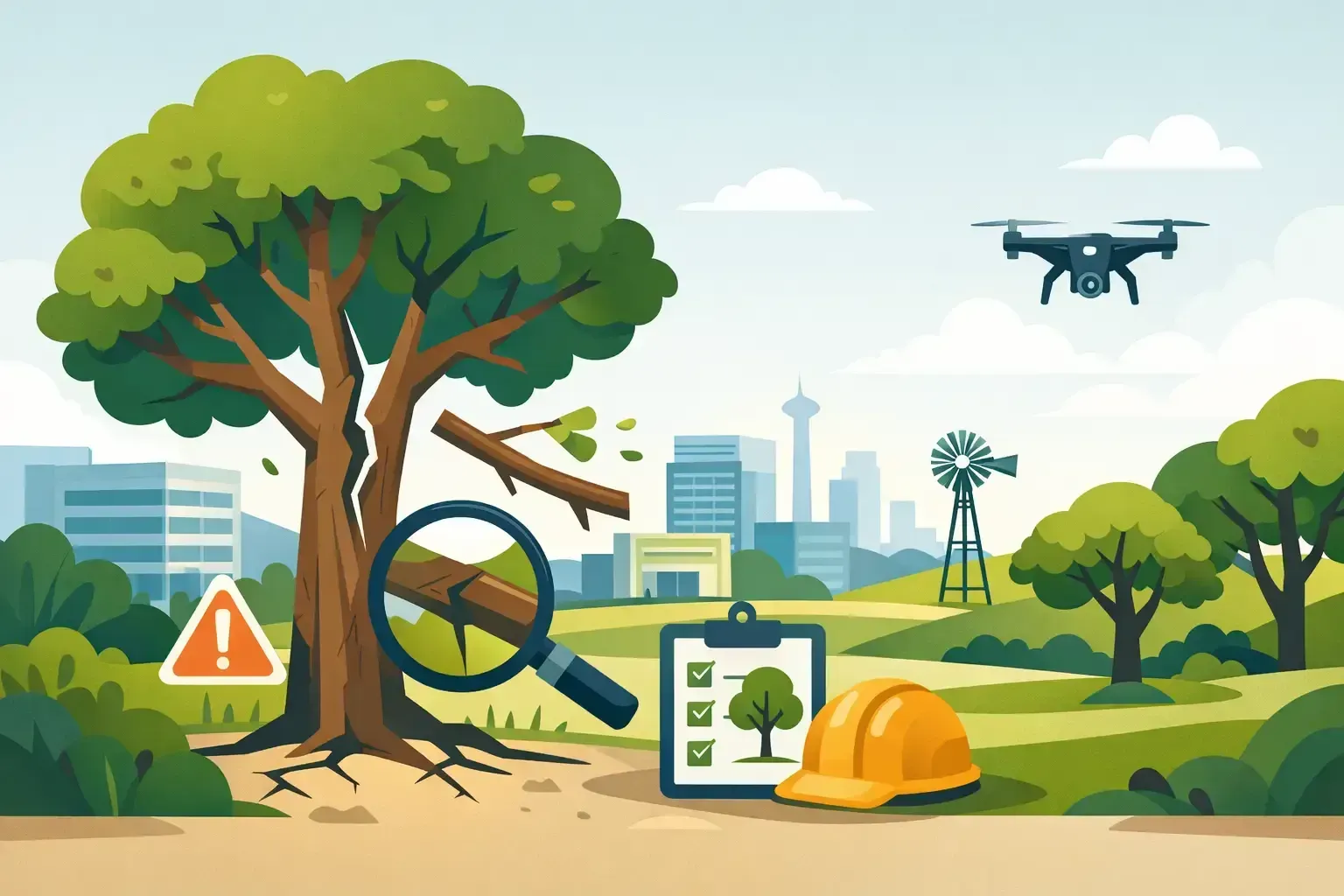
This is where a disciplined arboricultural approach matters. Not all green material is equal, and not all clearing improves safety. Over-clearing can create new problems with erosion, sun exposure, and tree stress. Under-clearing leaves the hazard in place. The best wildfire mitigation work is planned, not guessed at.
How to choose the right method for your property
Start with the real goal. If your main objective is reclaiming usable acreage, opening sightlines, or cutting back heavy brush fast, mulching may be the strongest fit. If your priority is preserving specific trees, cleaning up around improvements, or shaping a finished look in a sensitive area, hand clearing may deserve the lead role.
Then look at scale. Large, brush-heavy tracts usually reward mechanized efficiency. Smaller sites, custom landscapes, and tree-dense residential lots usually benefit from more selective work. Access matters too. If equipment cannot enter safely or operate without creating unnecessary impact, hand clearing becomes more attractive.
Budget should be part of the conversation, but not the only part. The cheapest first move is not always the least expensive path over time. A rushed clearing job that damages desirable trees, leaves awkward regrowth patterns, or misses the actual fire problem is not a bargain. Good land work should make the next season easier, not harder.
In many cases, the best answer is not brush mulching or hand clearing. It is both. A hybrid approach
can use machinery for broad sections and hand crews for finish work, protection zones, and detail areas. That is often how you get speed where it helps and precision where it counts.
For property owners who want elite results without the usual guesswork, that balanced approach tends to win. A veteran-led, ISA-certified team like Dynamo Dusty's Tree Service looks at the land first, the method second, and the long-term outcome before either one. That is how you protect the trees worth keeping, remove the fuel that should go, and end up with a property that feels safer, cleaner, and more usable the moment the crew rolls out.
The best clearing method is the one that fits your land like a well-built plan, not a one-size-fits-all package. If the work leaves you with healthier spacing, better access, lower fire risk, and a property you are proud to look at, that is the right call.