

A tree comes down fast. Pricing it correctly does not. If you have ever gotten one quote that seemed surprisingly low and another that made you pause, the difference usually comes back to tree removal cost factors that are not obvious from the driveway.
For homeowners, ranch owners, HOAs, and property managers, that matters. Tree work is not just about cutting and hauling. It is about risk control, property protection, crew time, equipment planning, cleanup standards, and making sure the job leaves your land safer and better-looking than it started. The cheapest number on paper can get expensive in a hurry if the scope was never defined clearly.
What drives tree removal cost factors?
The biggest cost driver is usually a mix of size, location, and risk. A small tree in an open area is one thing. A large tree leaning toward a roof, wrapped in utility conflicts, or sitting over a fence line is a completely different operation.
That is why honest pricing starts with a walkthrough. A professional crew is looking at the full picture, not just trunk diameter. They are asking how to remove the tree without damaging the home, driveway, septic area, neighboring structures, landscaping, or access routes. They are also considering what condition the tree is in and whether it can be handled in a predictable way.
In Central Texas, there is another layer that should not be ignored. Trees can be part of a larger land management problem tied to drought stress, storm damage, oak decline, cedar encroachment, and wildfire exposure. Sometimes the tree is the issue. Sometimes the tree is one piece of a broader safety problem.
Tree size and canopy spread
Size is the first thing most people think about, and for good reason. Bigger trees generally mean more labor, more material to process, more cleanup, and more time on site. Height matters, but canopy spread matters too. A shorter tree with a broad, heavy canopy can still require careful sectional removal and a lot of haul-off volume.
Trunk diameter also affects the pace of the work. Heavier wood means heavier pieces, more saw time, and more wear on equipment. Large hardwoods often take longer to process than people expect, especially when the crew is working around sensitive property features.
That said, size alone does not tell the whole pricing story. A medium tree in a tight backyard can cost more than a taller tree in an open pasture because access and risk can outweigh raw dimensions.
Location, access, and setup time
Access changes everything. If the crew can position equipment close to the work area, the job is usually faster and more efficient. If the tree sits behind walls, narrow gates, decorative landscaping, pools, patios, or soft ground, the removal becomes slower and more labor-intensive.
This is one of the most overlooked tree removal cost factors. Property owners often look at the tree itself but not the route to reach it, protect the site, and remove debris. A long carry path or difficult equipment access can add hours to a job. On rural properties, steep terrain, rocky ground, or creek crossings can create the same challenge.
Setup time counts too. Traffic control, surface protection, staging areas, and safe drop zones all affect labor and planning. A disciplined company prices for execution, not guesswork.
Risk level near structures and utilities
A tree overhanging a roof, garage, fence, pergola, driveway, or power-related infrastructure requires a different level of control than a tree standing by itself. When there is no margin for error, the pace slows down because precision goes up.
This is where professional judgment matters. Removing a hazardous tree safely may require smaller cuts, more rigging control, additional ground protection, and a more experienced crew. That adds cost, but it also reduces the chance of property damage and cleanup surprises.
Utilities can complicate a removal even further. Nearby service lines, communication lines, and limited clearance zones affect how the work is sequenced. Even when a tree looks manageable from the street, hidden conflicts in the canopy can change the plan and the price.
Tree condition and structural stability
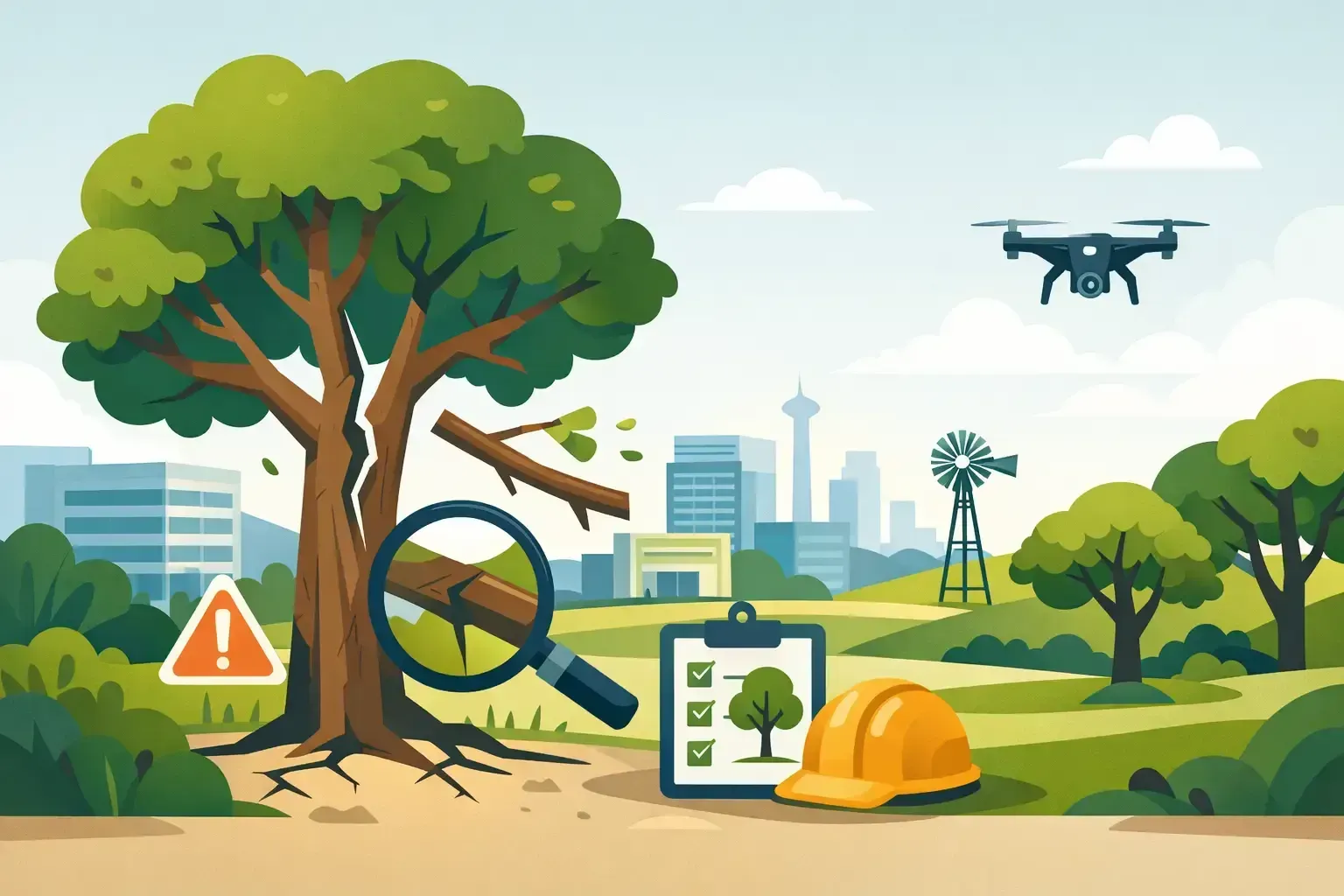
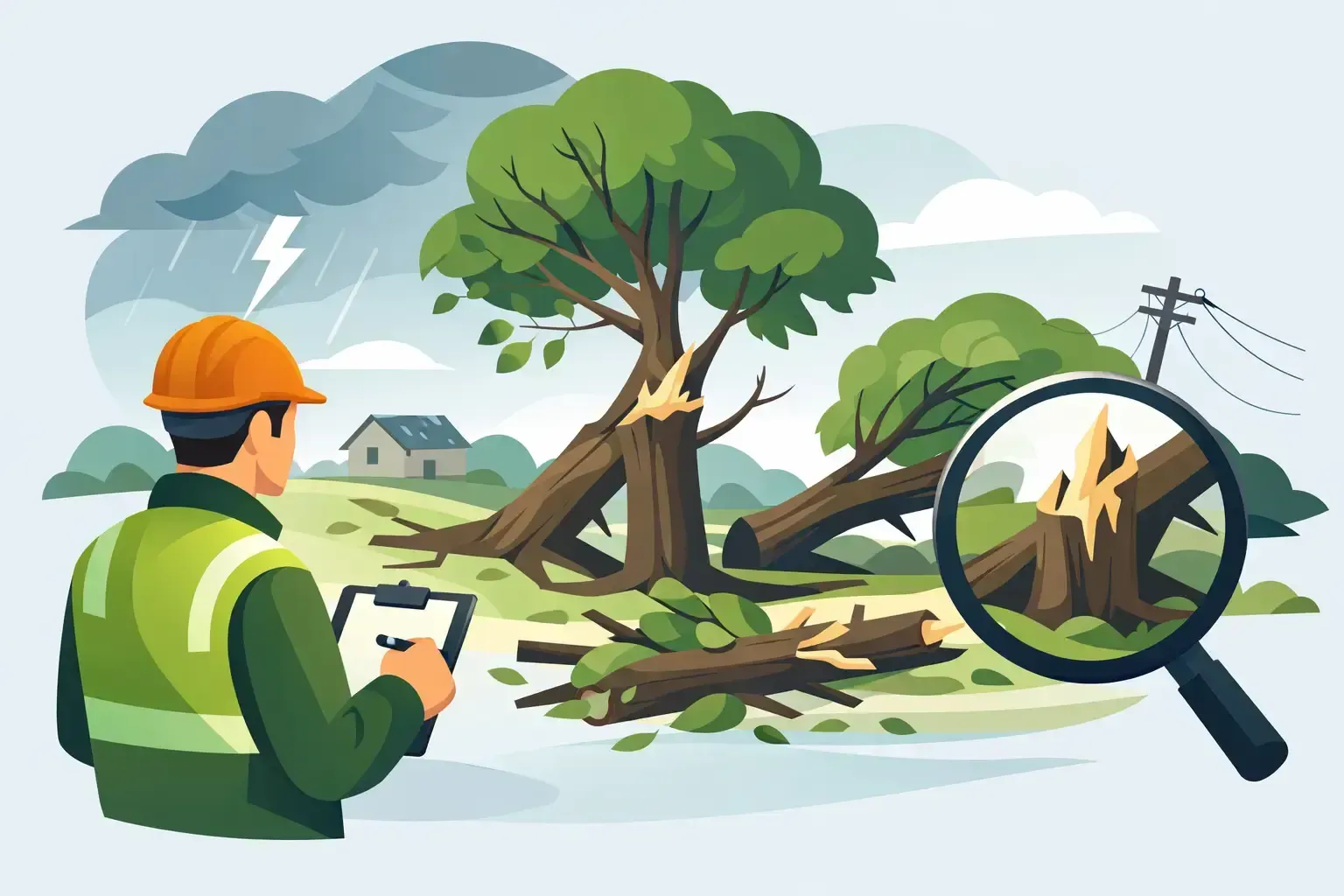
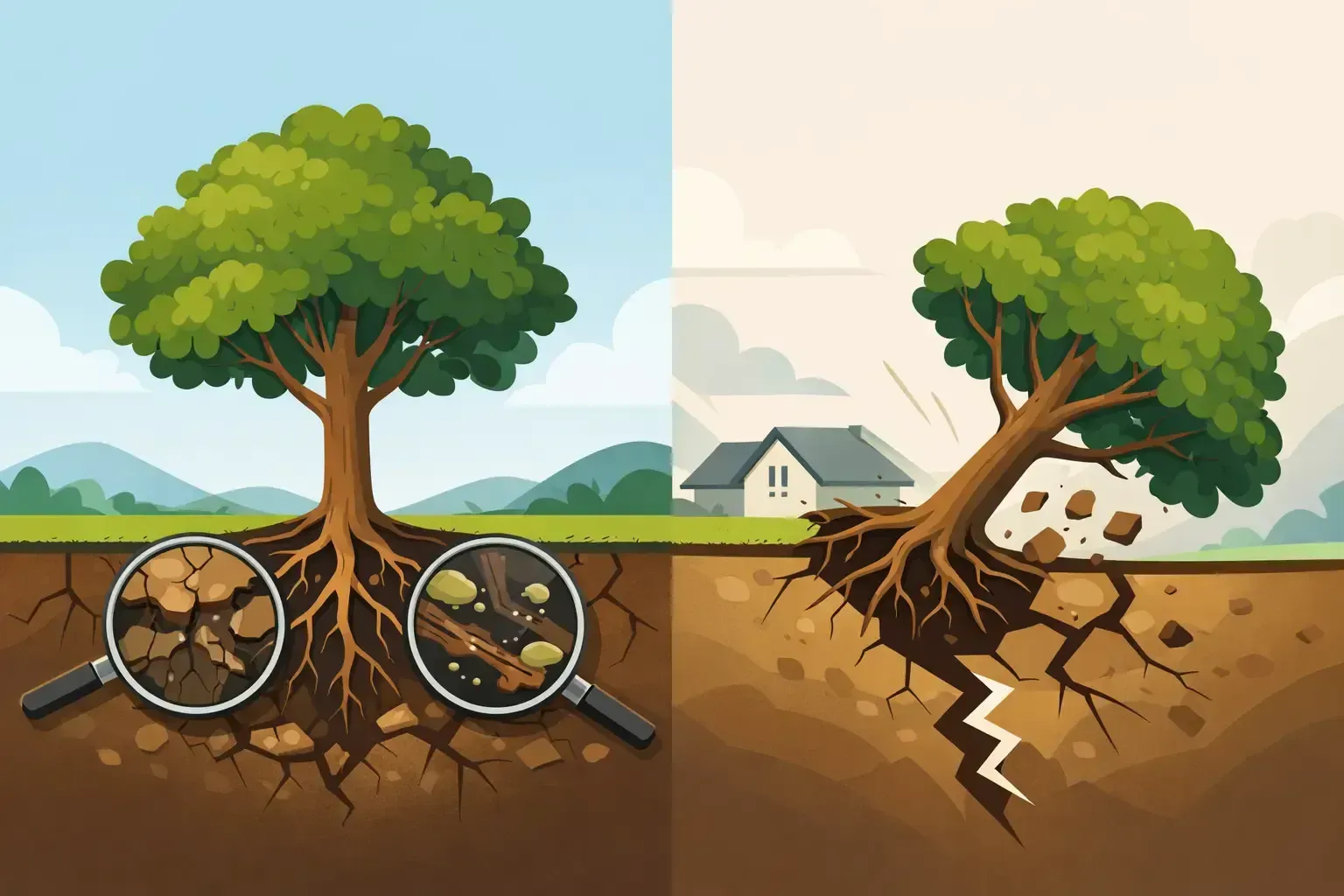
Not every tree behaves like sound, healthy wood. Dead, cracked, storm-split, hollow, or partially uprooted trees are less predictable. That unpredictability is a major cost factor because it raises the hazard level for everyone on site.
A decayed trunk or compromised root plate can limit how the tree can be handled. Brittle limbs may break sooner than expected. Storm-damaged tops can be hung up under tension. These conditions demand a more cautious, methodical approach.
There is a trade-off here that property owners should understand. Some damaged trees may look simpler because they have already lost limbs or leaf cover, but they can actually be more dangerous and more expensive to remove. Less material does not always mean less risk.
Debris volume, haul-off, and cleanup standards
One company may price for basic cutting and stacking. Another may price for full haul-off, rake-up, log removal, and a cleaner final result. If two estimates are far apart, ask what happens to the debris.
Cleanup is a big part of the real cost. Brush takes time to process. Logs are heavy. Fine debris can spread across lawns, beds, and hardscapes. If the job includes hauling everything away, that means truck capacity, disposal planning, labor, and dump fees or processing costs.
Stump work is also usually separate from the removal itself. Some customers want the tree down and the stump left low. Others want the stump ground out so they can replant, build, or restore the area. That is an added service with its own equipment, time, and site-protection considerations.
If you want a property to look polished when the crew leaves, not just cleared, make sure that expectation is in the scope from the start.
Emergency timing and storm response
Urgency can increase price. If a tree has fallen on a driveway, blocked access, damaged a structure, or created an immediate hazard after a storm, the response window matters. Emergency work often means rearranging crews, mobilizing faster, and operating in less-than-ideal conditions.
Storm response also tends to come with extra complications. Saturated ground, tangled debris, hidden tension in broken wood, and multiple damaged trees across a property all slow the process. Jobs that look straightforward after the weather clears may have been dangerous and unstable during the actual response.
For property owners in wildfire-prone and storm-prone parts of Central Texas, emergency pricing is a good reminder that prevention usually costs less than crisis response. Strategic pruning, hazard reduction, and land management
can reduce both risk and surprise costs later.
Permits, species, and local considerations
Some removals involve local rules, HOA approvals, or protected species considerations. This will not apply to every property, but when it does, it can affect both timeline and cost. A reputable company should flag those issues early instead of treating them like a last-minute inconvenience.
Species matters for another reason too. Wood density, form, brittleness, and debris volume vary from one tree to the next. A cedar removal on rural acreage may price differently from a large oak near a home, even if the dimensions seem similar.
On larger properties, one removal can also be part of a bigger land strategy. If a tree is tied to brush management, thinning, defensible space, or wildfire risk mitigation, the smartest solution may be a bundled scope rather than a one-off cut. That can change pricing, but it often improves the long-term value of the work.
How to compare estimates without guessing
The best estimate is not always the lowest or the highest. It is the one that clearly explains what is included, what is excluded, and how the crew plans to protect your property.
Ask whether haul-off is included. Ask about cleanup standards, stump treatment, access assumptions, and whether the price changes if hidden defects or utility conflicts are discovered. If a quote feels vague, it probably is. Precision on paper usually reflects precision on site.
This is also where certifications and experience earn their keep. A trained arboricultural team sees issues that a basic cut-and-go operator may miss. That does not just affect safety. It affects scope accuracy, scheduling, and whether the finished job actually solves the problem you hired them to handle.
At Dynamo Dusty's Tree Service, that planning mindset is a big part of how premium tree work stays transparent. You are not paying for drama. You are paying for disciplined execution, clear communication, and a result that makes sense for your property.
A smarter way to budget for tree work
If you are trying to estimate tree removal cost factors before calling for a walkthrough, think in layers. Start with the tree size, then add access, nearby targets, condition, debris expectations, and urgency. The more of those layers that get complicated, the more the price tends to move.
That is not price inflation. That is honest risk-based planning. Good tree work protects homes, improves land use, reduces hazards, and leaves the site cleaner and safer than it was before the first saw ever started.
If you want the best number, give the estimator the full picture. Point out access limits, septic areas, utility concerns, cleanup expectations, storm history, and future plans for the space. A strong estimate is built the same way a strong project is built - with clear eyes, no shortcuts, and respect for the property.