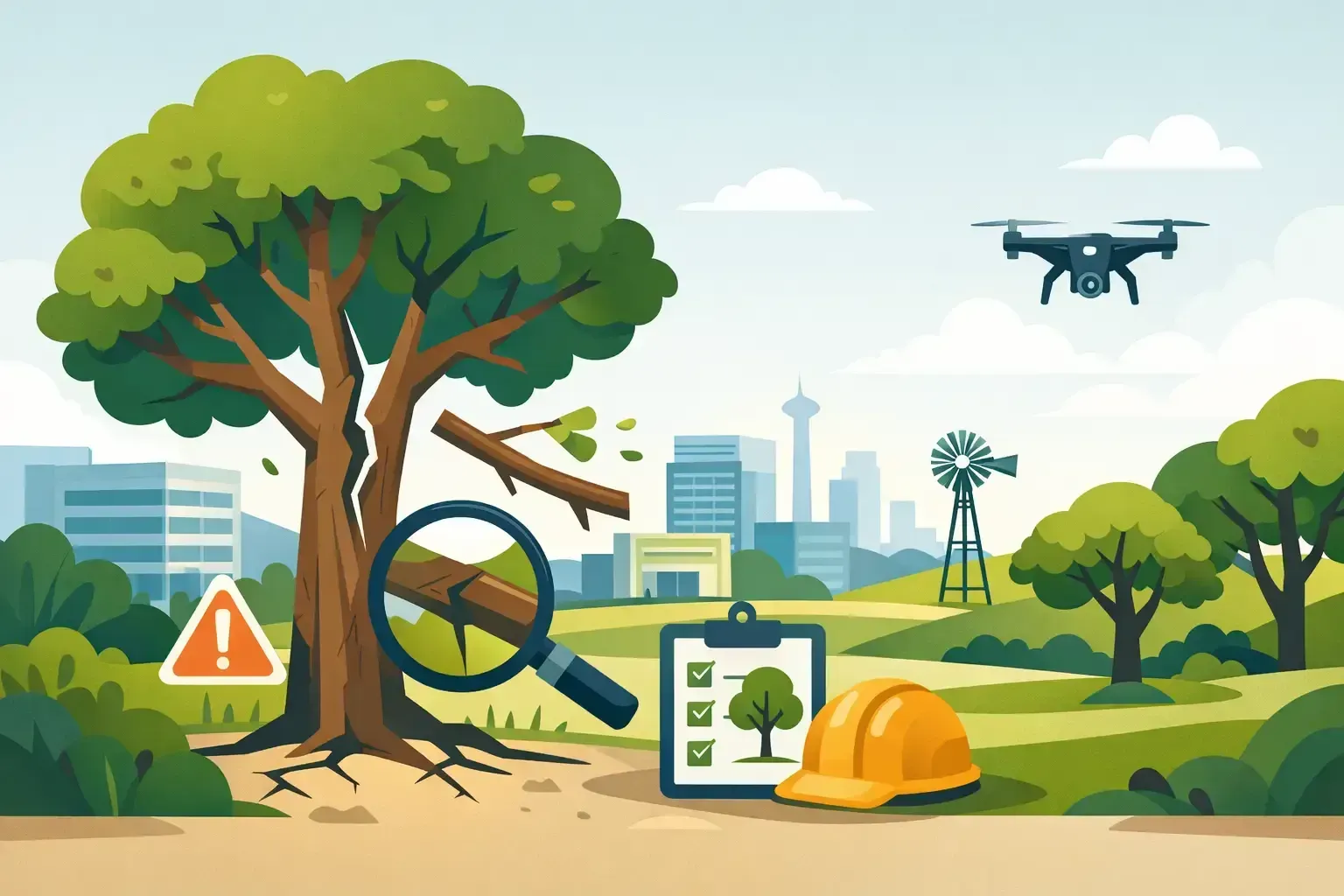


That live oak looked fine two springs ago. Now the canopy is thinner, the leaves are smaller, and one side of the tree seems to be giving up before summer even hits full stride. In Central Texas, that kind of decline often starts below grade. Soil remediation for stressed trees is not a cosmetic add-on. It is often the difference between a tree that limps along for years and one that actually has a fighting chance.
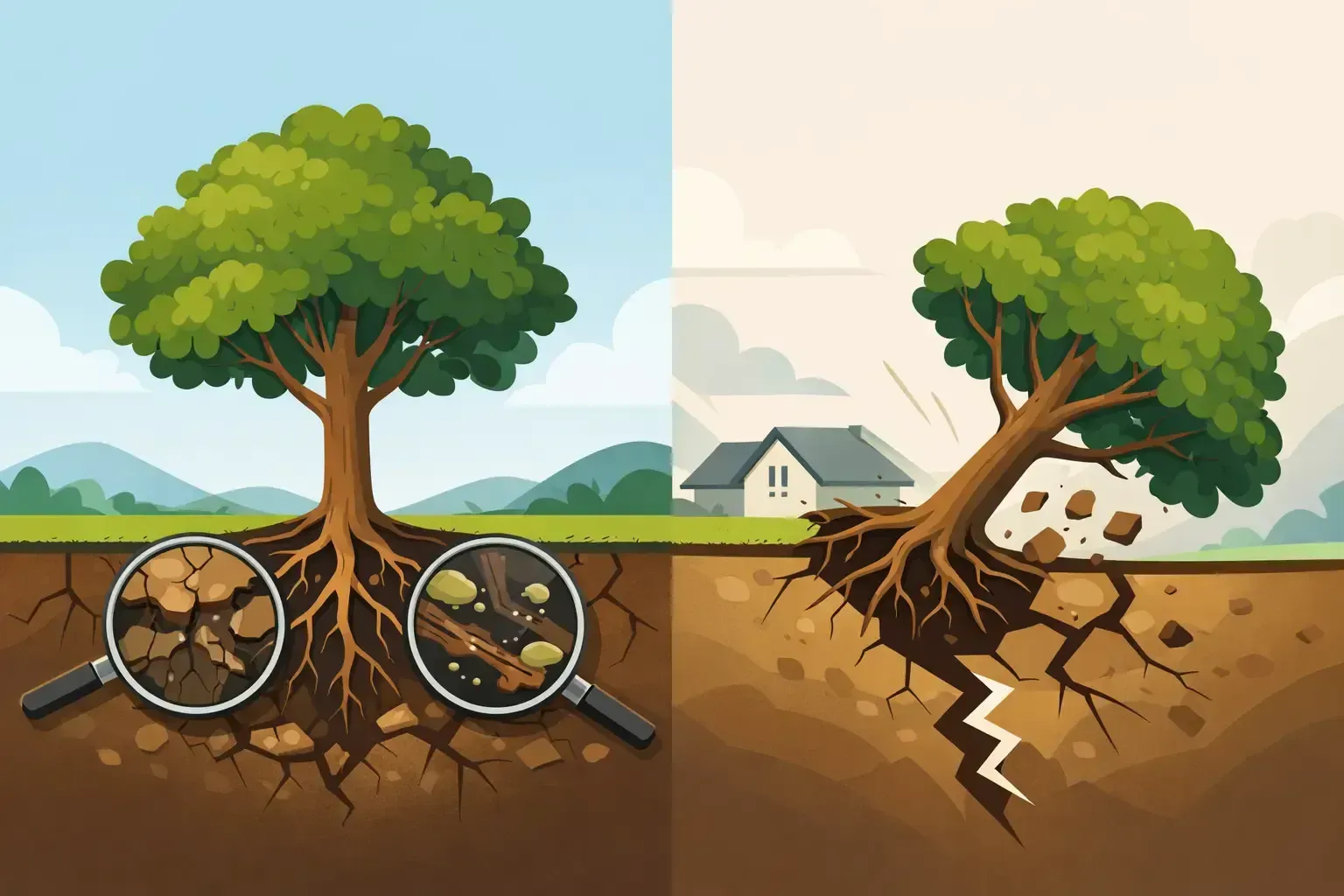
Tree stress rarely comes from one dramatic event. More often, it is a stack of smaller hits - drought, heat, compacted soil, mower traffic, construction impact, poor drainage, root disturbance, and years of turf competition. Homeowners tend to focus on what they can see in the canopy. Arborists know the root zone usually tells the real story.
Why stressed trees usually have a soil problem
A stressed tree does not just need water. It needs access to oxygen, nutrients, and room for roots to function. When soil is compacted, roots struggle to breathe and expand. When organic matter is low, the soil does a poor job holding moisture through long hot stretches. When pH is off or the biology is depleted, nutrients may be present in the ground but unavailable to the tree.
That matters even more in our region. Central Texas properties often deal with dense clay, limestone influence, rapid runoff, and extreme swings between dry spells and heavy rain. Those conditions can punish root systems, especially on lots with foot traffic, vehicles, hardscaping, or recent grading.
The hard truth is this: fertilizer alone usually does not fix a stressed tree. In some cases, it can make the problem worse by pushing top growth when the roots are already underperforming. Good remediation starts with diagnosis, not guesswork.
Signs a tree may need soil remediation for stressed trees
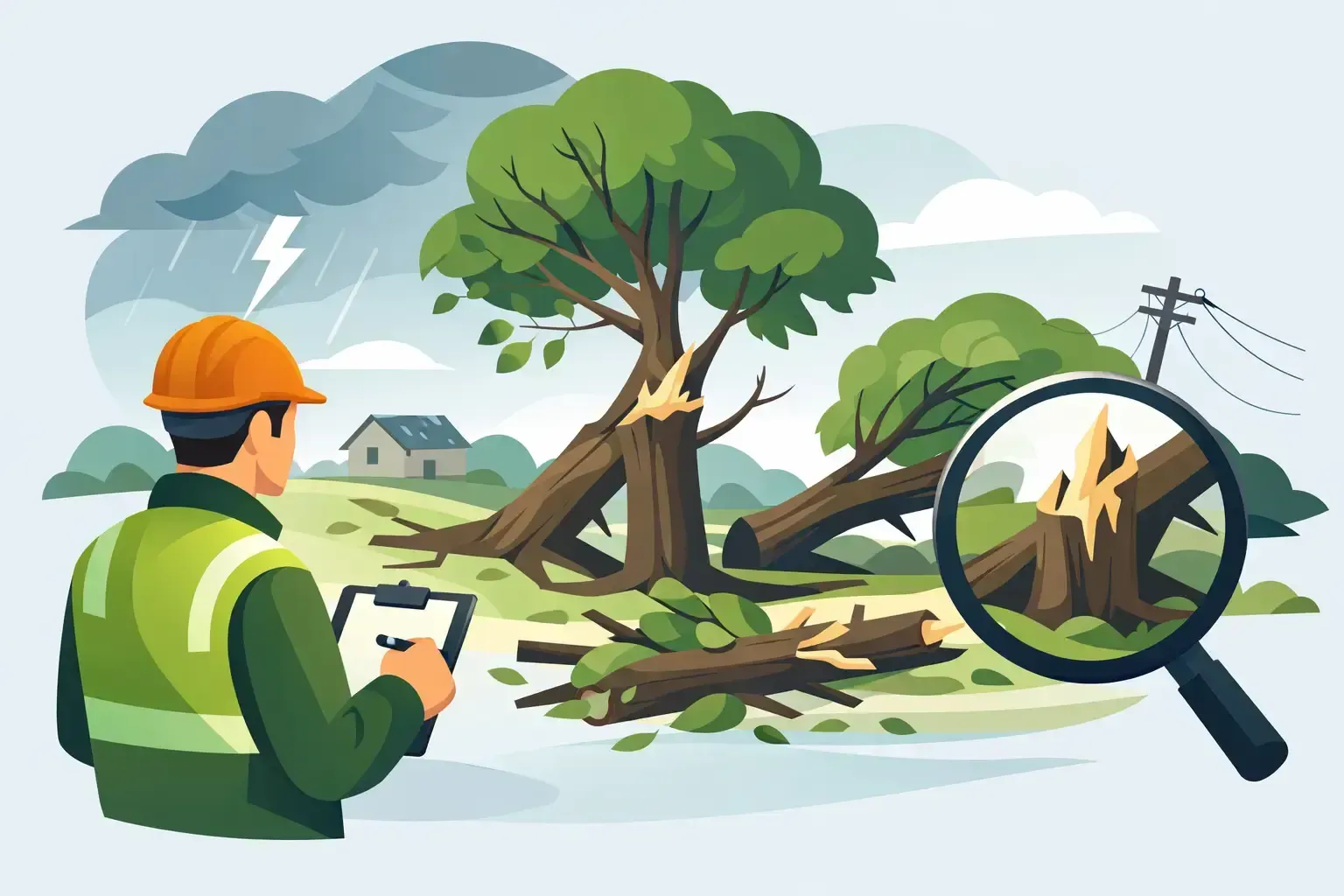
Trees have a quiet way of asking for help. You might see canopy thinning, premature leaf drop, smaller than normal leaves, tip dieback, weak annual growth, or a tree that just never seems to bounce back after summer. Sometimes the warning signs are around the tree rather than on it.
If water puddles after rain, the soil feels brick-hard, grass is growing right up to the trunk, or there has been trenching, grading, or heavy equipment nearby, the root zone may be compromised. A tree can hold on for quite a while after root damage, which is why property owners are often surprised when decline shows up a year or two later.
This is also where experience matters. Not every stressed tree has the same issue, and not every declining tree can be recovered. Oak, elm, cedar elm, pecan, and ash all respond differently depending on species, age, site conditions, and the severity of stress.
What effective soil remediation actually involves
The best remediation plans are built like a field diagnosis, not a one-size-fits-all package. First, you identify what is limiting root performance. Then you correct that issue without causing more stress in the process.
Compaction relief
Compacted soil is one of the biggest hidden problems on residential lots, ranch entries, commercial sites, and HOA common areas. When soil particles are pressed too tightly together, oxygen drops and roots stall out. Remediation may involve carefully loosening the upper root zone with low-impact methods that improve pore space without tearing up critical roots.
This step can make a huge difference, but timing and technique matter. Done too aggressively, it can injure already stressed roots. Done correctly, it opens the soil so water and air can move again.
Organic matter and mulch correction
Many stressed landscapes are short on organic material. That leaves the soil hot, dry, and biologically weak. Adding the right organic amendments and applying mulch properly can moderate temperature swings, reduce evaporation, and improve soil structure over time.
Proper mulch is a major win, but there is a right way to do it. Piling mulch against the trunk is a mistake. A wide mulch ring with space around the root flare helps the tree more than a deep volcano of shredded bark ever will.
Biology and nutrient balancing
Healthy soil is not just dirt with fertilizer in it. It is a living system. Beneficial microbes help cycle nutrients, support root function, and improve resilience during drought stress. In some cases, targeted biological inputs or nutrient correction can help restore a healthier root environment.
This is where a lot of cheap tree care goes sideways. If someone applies a generic fertilizer because the leaves look pale, they may be treating the symptom instead of the cause. A better approach looks at soil condition, species needs, and the tree's current stress load before adding anything.
Water management
Too little water hurts trees. So does too much water in the wrong soil. Clay-heavy ground can stay saturated near the surface while still becoming hard and dry deeper down. Remediation sometimes includes changing watering patterns, expanding the mulched root zone, or addressing runoff so moisture actually reaches the roots in a useful way.
For property owners, this is one of the most frustrating parts because the answer is rarely just "water more." Frequency, depth, soil type, slope, and season all matter.
Soil remediation for stressed trees is not instant
A stressed tree can take years to decline, and it usually takes time to recover. That is normal. Once the root zone is damaged or depleted, the goal is to improve conditions steadily so the tree can direct energy back into root function, canopy density, and defense against pests and disease.
Some trees show improvement within one growing season. Others need a longer runway. There are also cases where remediation can stabilize a tree but not fully restore it. That depends on how much live root mass remains, whether structural roots were damaged, and how long the stress has been going on.
That kind of honesty matters. Property owners deserve a straight answer about whether a tree is a good candidate for restoration or whether they are throwing money at a tree that is too far gone.
When the problem is bigger than the tree
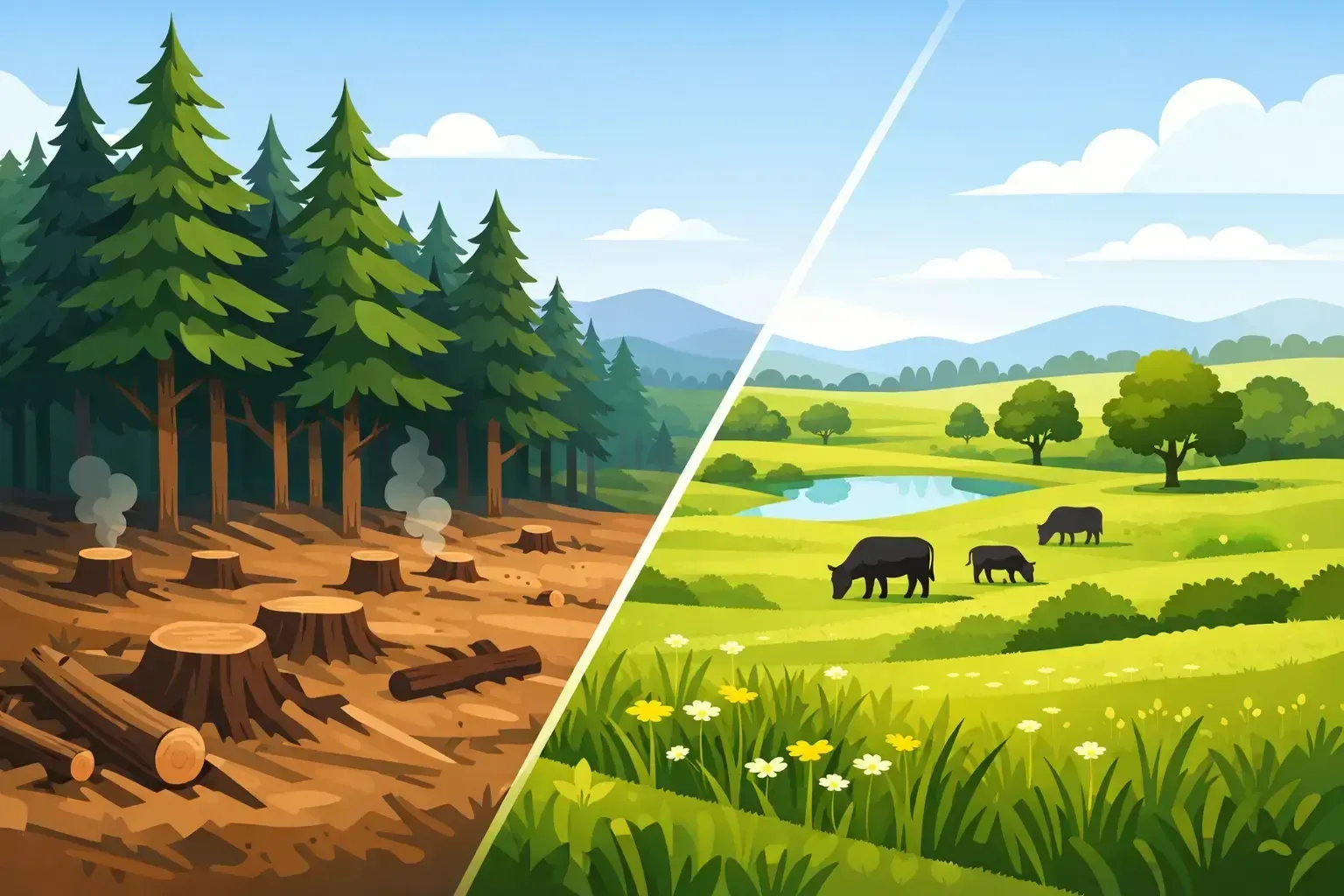
Sometimes the tree is telling you something about the site. If several trees on the property are struggling, the issue may be broader than one root zone. Repeated grading, chronic over-irrigation, fill soil over existing roots, dense turf competition, or poor drainage design can create landscape-wide stress.
That is why an engineering-based approach works so well. Instead of treating each symptom in isolation, you look at the property as a system. How is water moving? Where is traffic compacting soil? Has the grade changed? Are there wildfire mitigation goals
that need to be balanced with tree preservation? Good tree care is not just about saving one specimen. It is about making the whole landscape healthier and more manageable.
What homeowners and landowners can do right now
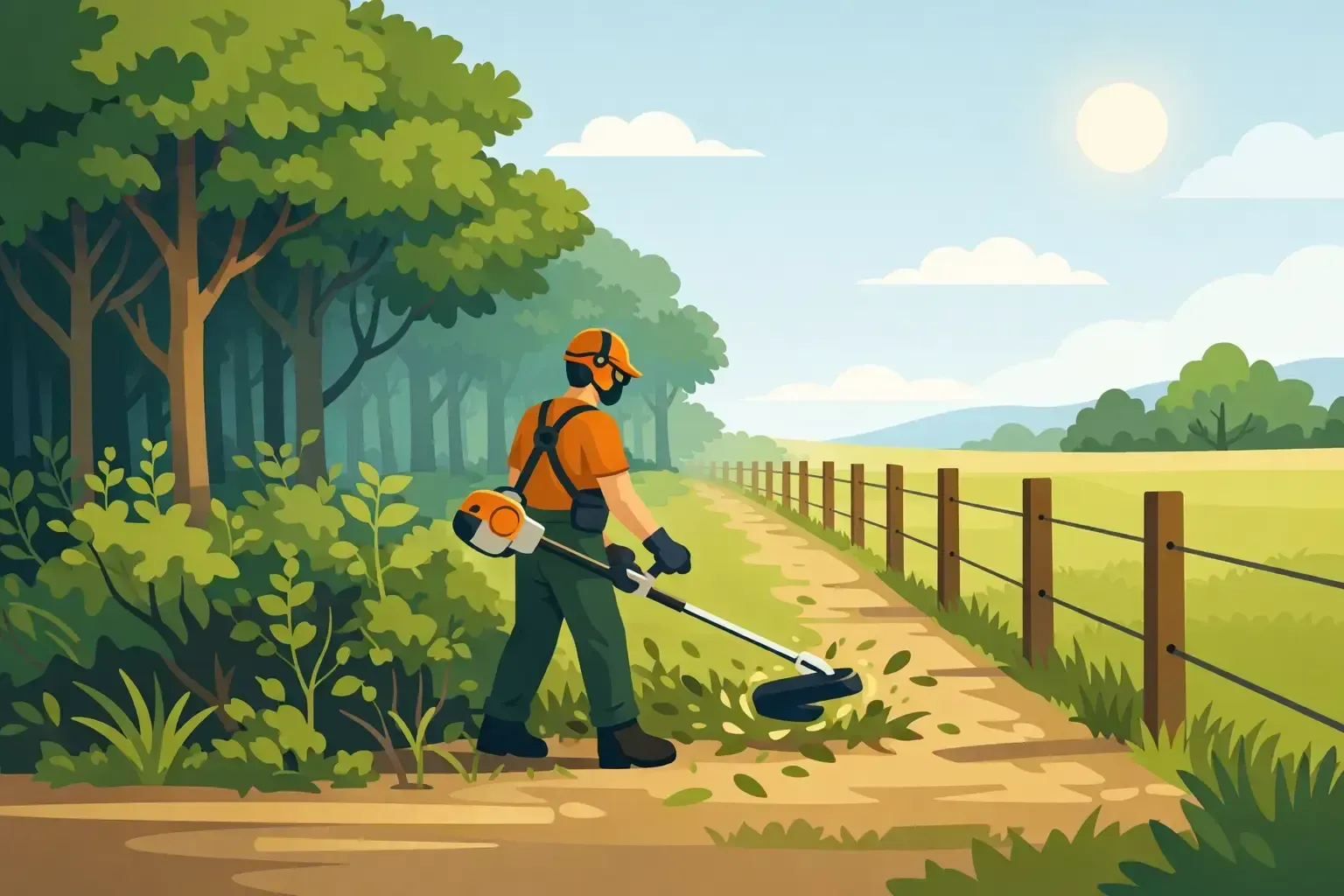
If you suspect a tree is in trouble, the first smart move is to protect the root zone from more damage. Keep vehicles, heavy foot traffic, and material storage away from the area under the canopy. Pull grass and weeds back from the trunk where appropriate, and replace them with a properly installed mulch ring.
Water deeply but thoughtfully, especially during prolonged heat. Avoid the temptation to prune heavily just because the canopy looks thin. A stressed tree needs leaf surface to produce energy, and over-thinning
can increase stress. Most of all, do not assume a bag of fertilizer from the store is the cure.
A professional evaluation is worth it when the tree is mature, prominent, historically important to the property, or expensive to lose. That is especially true for large oaks and shade trees that affect curb appeal, summer cooling, and long-term property value.
Why professional remediation beats trial and error
There is a big gap between doing something to the soil and doing the right thing for the tree. Species, age, site history, compaction level, moisture pattern, and season all influence the plan. The wrong amendment, the wrong application rate, or the wrong timing can waste money and slow recovery.
At Dynamo Dusty's Tree Service, we look at tree health the same way we look at any serious field problem - identify the cause, build a plan, execute with precision, and communicate clearly. We take a system-based, wholistic approach, and shy away from traditional "NPK" fertilizers that can leach the soil. That approach matters when your trees are part of your home's value, your ranch's usability, or your property's wildfire readiness.
A stressed tree does not need hype. It needs the root zone rebuilt with care, patience, and a method that fits the site. If the soil gets healthier, the tree has a real shot. And sometimes, that one change below ground is what brings the whole landscape back to life.