

One spark in dry grass can turn a quiet afternoon into a fast-moving problem. That is why brush clearing for wildfire prevention is not a cosmetic project or a nice-to-have upgrade. On the right property, at the right time, it is one of the smartest steps you can take to protect your home, your fence lines, your trees, and the people who use the land.
In Central Texas, wildfire risk builds in layers. Tall grass dries out. Cedar and brush thicken up under mature trees. Fallen limbs stack fuel where no one notices until summer heat hits hard. Then add wind, slope, or a stretch of drought, and a property that looked "natural" in spring can become a fire path by late season. Good land management cuts that risk down before conditions line up against you.
Why brush clearing for wildfire prevention matters
Wildfire does not need a forest to become dangerous. It moves through available fuel, and on many residential lots, ranch properties, HOA common areas, and commercial tracts, that fuel is sitting in plain sight. Brush, dead understory, ladder fuels, and unmanaged debris give fire a way to travel across the ground and then climb upward into shrubs and tree canopies.
That climb is where things get expensive and dangerous fast. A low grass fire is one problem. A fire that reaches tree crowns, structures, outbuildings, or utility areas is a different level altogether. Proper clearing reduces the continuity of fuel, which can slow fire behavior, lower flame height, and improve defensible space around buildings.
There is also a practical side property owners appreciate right away. Cleared land is easier to inspect, maintain, and use. You can actually see fence lines, drainage patterns, weak limbs, dead material, and access routes. What starts as wildfire mitigation often improves appearance, usability, and long-term maintenance costs too.
What brush clearing actually includes
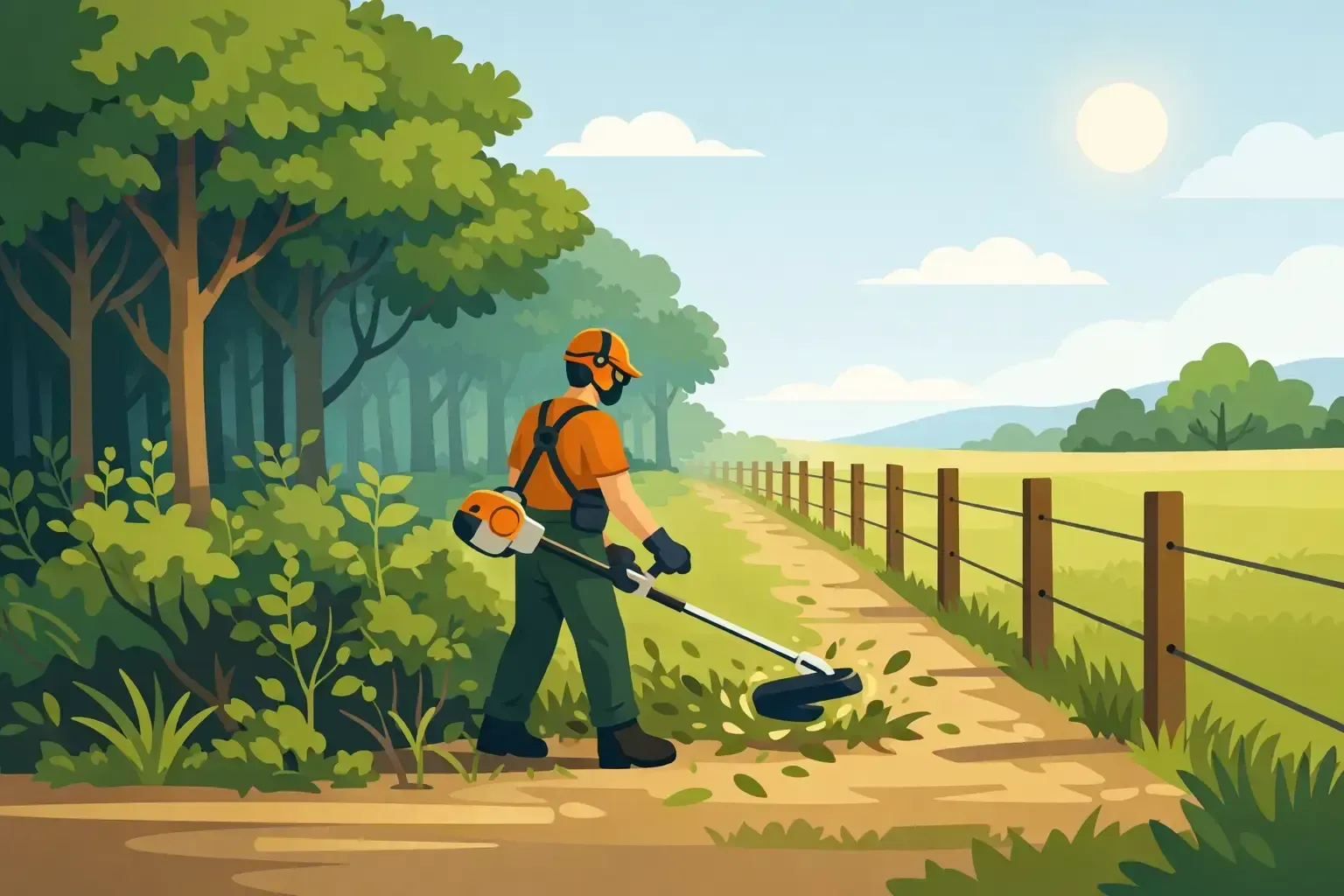
A lot of people hear "brush clearing" and picture a crew flattening everything in sight. That is not the goal on a well-managed property. Smart clearing is selective. It removes the wrong material in the wrong places while preserving the trees, views, and function that make the property valuable.
In most cases, brush clearing for wildfire prevention includes reducing dense undergrowth, removing dead or highly flammable vegetation, limbing up lower branches
where appropriate, thinning overcrowded areas, and clearing accumulated woody debris. On larger tracts, it may also include opening access paths for equipment and emergency response.
The right plan depends on the land. A small residential lot in a tree-dense neighborhood needs a different approach than a ranch entrance, an HOA greenbelt, or a commercial property with utility corridors and public-facing areas. The work should match how fire would likely move through the site, not just what looks overgrown from the driveway.
The danger of ladder fuels
Ladder fuels are one of the biggest issues crews look for during mitigation work. These are the materials that let a ground fire move upward, from grass into shrubs, from shrubs into low limbs, and from low limbs into the canopy.
That is why simply mowing is not enough on many properties. Mowing helps, but if cedar, yaupon, volunteer saplings, dead brush piles, and low-hanging limbs stay packed together, the vertical fuel path is still there. Good mitigation breaks that chain.
Not every tree should go
Here is where experience matters. Removing every tree or stripping a property bare can create new problems. Overexposure can stress desirable trees, increase erosion, and leave the land looking rough instead of refined. In some cases, too much clearing can even encourage fast regrowth of the wrong species.
A disciplined crew works with spacing, fuel reduction, and tree health
in mind. The goal is not to make the land look empty. The goal is to make it safer, cleaner, and more defensible without wrecking the landscape.
Where property owners usually miss the risk
The obvious brush gets attention first. What often gets missed are the transition zones where fire can gain momentum quietly.
Around homes, this usually means side yards, back fence lines, propane tank areas, the base of tree clusters, and those corners where leaves and limbs collect after every storm. On rural acreage, the risk often sits along roadsides, around barns, under power lines, near creek edges, and anywhere cedar and brush have filled in over time.
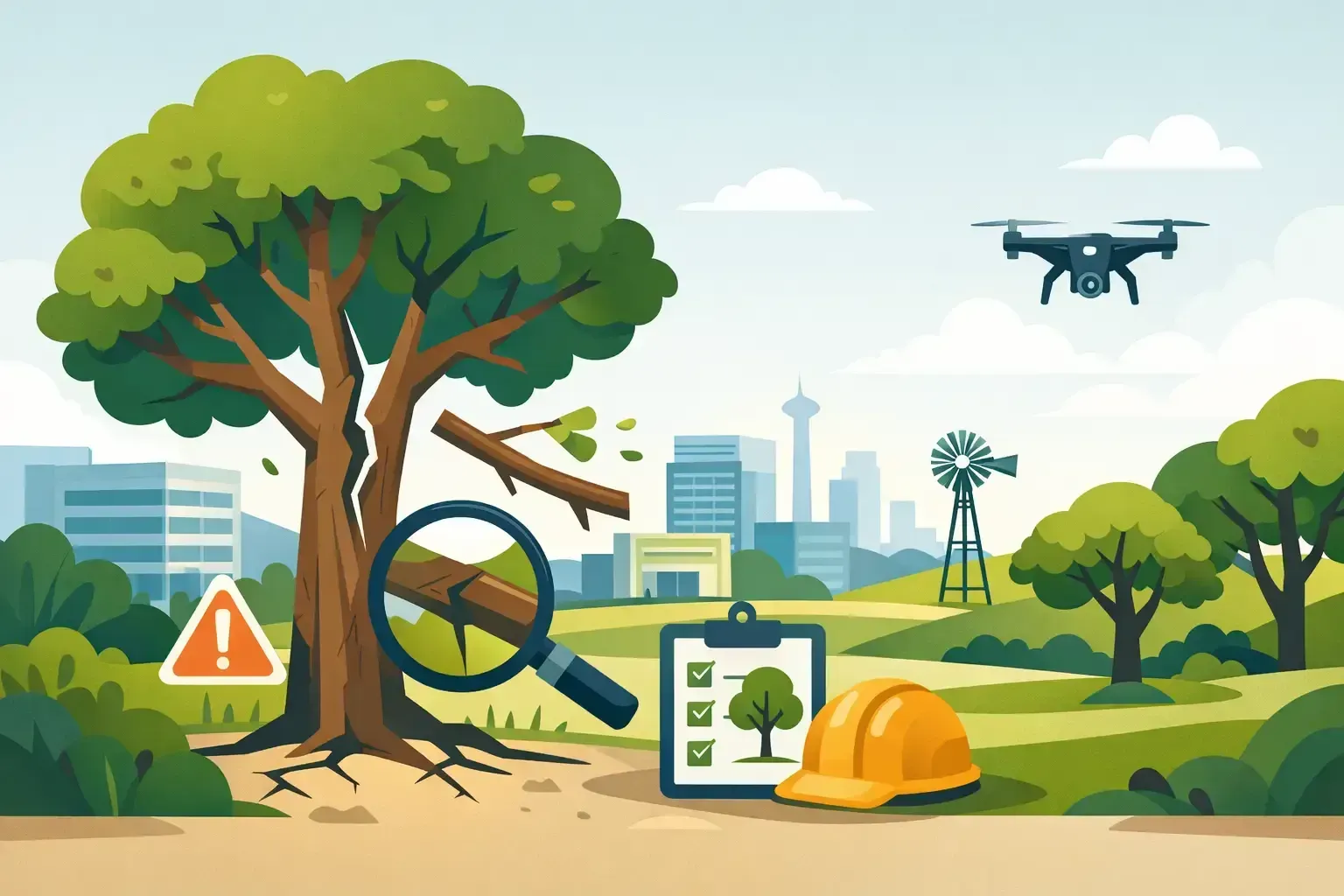
Many owners also underestimate how much dead material has built up below healthy-looking trees. A property can have beautiful oaks and still carry serious fire risk underneath them. That is one reason a walkthrough with trained eyes tends to reveal a lot more than a quick glance from the porch.
Timing matters more than people think
You do not want to wait until peak heat and extreme drought to start thinking about mitigation. By then, schedules tighten, vegetation is more brittle, and the pressure is already on.
The best time for brush clearing depends on the property and recent weather, but in general, proactive work beats reactive work every time. Tackling brush before fire season gives you more flexibility, cleaner results, and better access for crews and equipment. It also gives the land time to settle before conditions turn harsh.
That said, there is no bad time to reduce dangerous fuel loads if your property is overgrown right now. It just means the plan may need extra care, especially around desirable trees, slopes, and drainage areas.
How professional clearing beats a quick cleanup
A lot of landowners have had the frustrating experience of hiring a "tree guy" who shows up with saws, cuts aggressively, leaves a mess, and calls it done. Wildfire mitigation deserves a more disciplined approach than that.
Professional brush clearing starts with assessment. What vegetation is actually hazardous? Where are the structure exposure points? Which trees should be protected? How will equipment move through the site without unnecessary damage? What gets removed, chipped, stacked, or hauled away? Those details are where good planning separates premium work from random cutting.
There is also the issue of finish quality. A properly executed clearing project should leave visible improvement, cleaner lines, safer spacing, and a property that feels more usable when the crew leaves. It should not look hacked up. It should look intentional.
For
larger lots and commercial sites
, precision matters even more. Access routes, visibility, tenant safety, drainage, tree preservation, and maintenance cycles all need to work together. That is why property managers, HOAs, and owners of high-value acreage tend to favor crews that communicate clearly and treat the project like land management, not just labor.
Brush clearing for wildfire prevention and curb appeal can work together
This is one of the biggest misconceptions in the field - that wildfire mitigation has to make a property ugly. Done right, the opposite is often true.
Selective clearing can frame mature trees, open views, improve driveway approach, and make the whole property feel cleaner and more cared for. On residential properties, it can reduce that crowded, neglected look that makes a yard feel smaller and less safe. On ranch and rural land, it can improve access and sightlines without losing the character of the landscape.
It is not always a one-time project, though. Brush regrows. Storm debris falls. Seasonal conditions change. Some properties need periodic maintenance to stay in good shape, especially if they carry cedar, heavy understory, or large unmanaged edges.
That is where having a long-term plan pays off. Instead of waiting until everything is overgrown again, owners can maintain a safer baseline and avoid bigger, more expensive corrections later.
What to expect from a solid mitigation plan
A good plan should be clear, not confusing. You should understand what is being removed, what is being preserved, how debris will be handled, and what the property will look like when the work is done.
You should also hear some honest trade-offs. Maybe one section needs heavier thinning because it threatens a structure, while another should stay more natural for erosion control or privacy. Maybe the front acreage gets a more polished finish, while the back section is managed more strategically. Good contractors explain the why, not just the price.
For Central Texas properties especially, wildfire mitigation is rarely about one magic fix. It is about reducing fuel, improving spacing, protecting valuable trees, and making the site easier to defend and maintain. When that work is done with precision, it protects more than structures. It protects how the property functions day to day.
If your land has started to feel overgrown, hard to manage, or one dry spell away from trouble, that is usually the signal to act before nature makes the decision for you. A clean, well-managed property is not just safer. It is easier to live with, easier to maintain, and a whole lot easier to trust when the weather turns hot and windy.