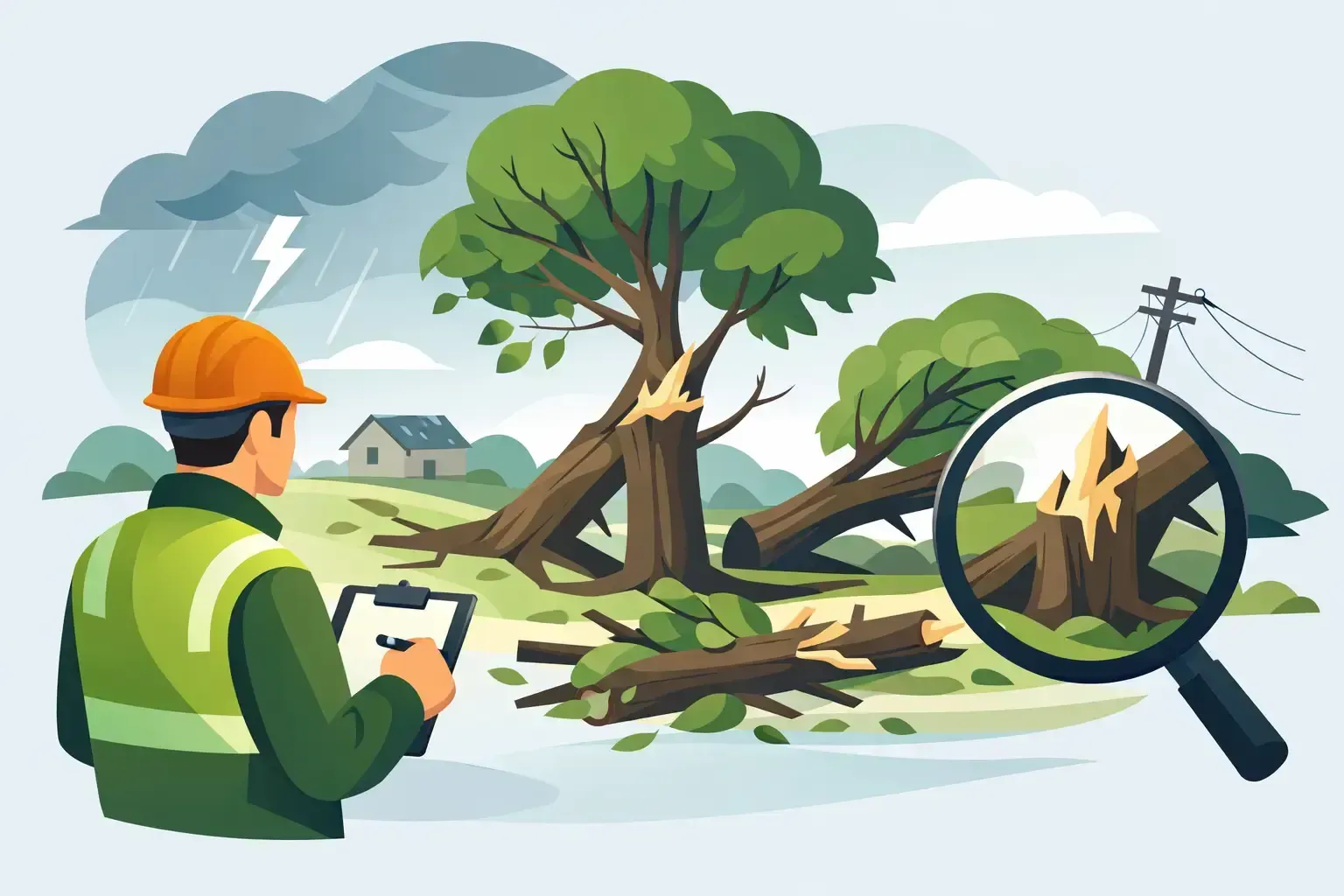

A big property can turn on you fast. One storm, one dry season, or one neglected fence line and suddenly you are not looking at "a few trees" - you are managing risk, access, cleanup, and liability across a lot of ground. That is why finding the best tree service for large property needs is less about who owns a chainsaw and more about who can think, plan, communicate, and execute at scale.
If you own acreage, manage an HOA, oversee a commercial site, or care for a tree-heavy homesite, you already know the problems are rarely small. A limb over a driveway affects access. Dense cedar and brush change wildfire exposure. Poor pruning on mature trees can create expensive long-term damage. Large properties need a crew that can read the whole landscape, not just react to the loudest problem first.
What makes the best tree service for large property work different
On a small suburban lot, tree service can be straightforward. On a large property, every decision has ripple effects. Equipment access matters. Ground pressure matters. Drainage patterns matter. The distance between work zones matters. So does the order of operations.
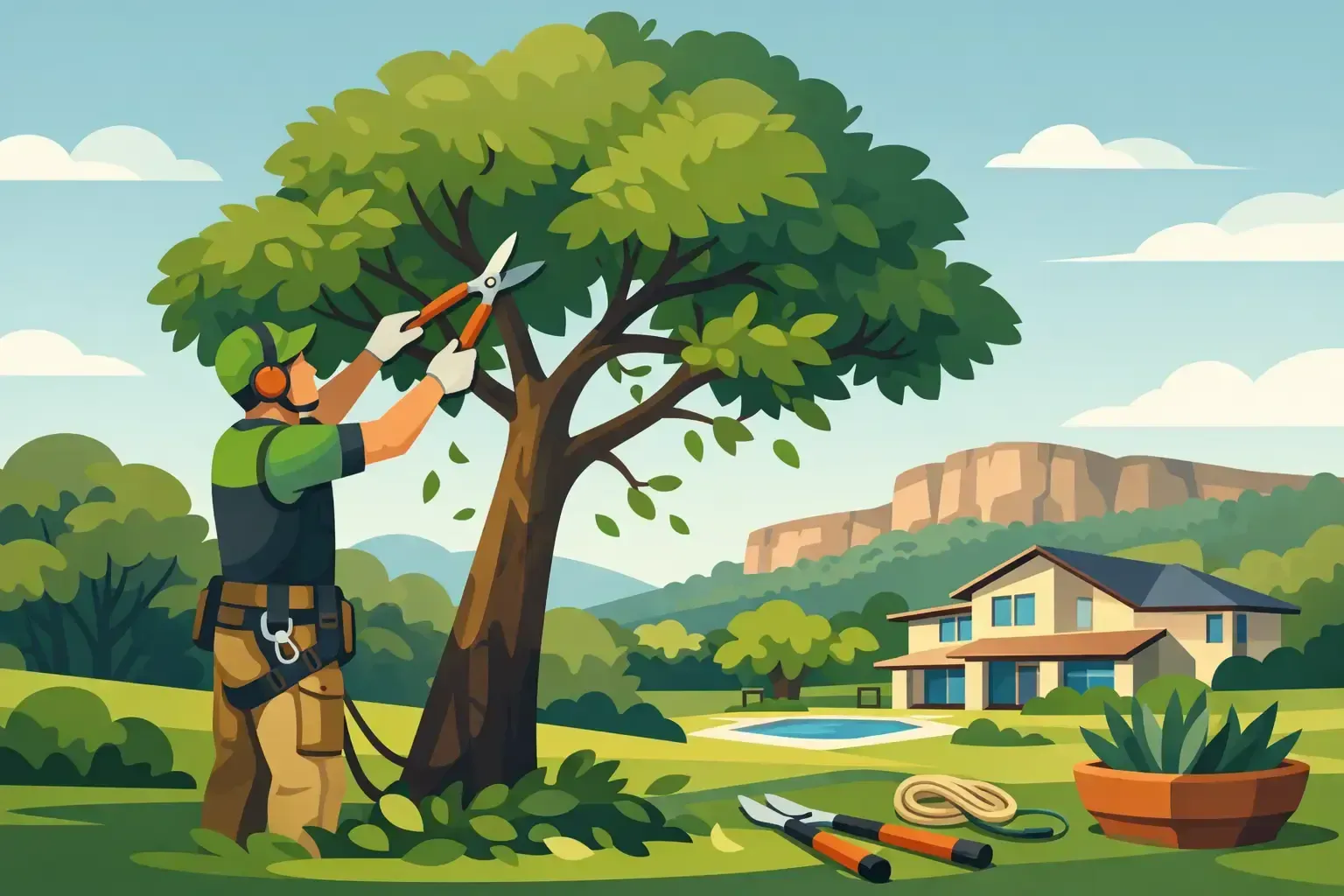
That is the first thing good property owners should look for. The best crews do not just show up and start cutting. They walk the property, ask smart questions, identify hazards, and build a game plan that fits your goals. Sometimes that means preserving specimen trees while thinning overcrowded areas. Sometimes it means prioritizing wildfire mitigation near structures, roads, and utility paths before cosmetic cleanup in the back acreage.
There is also a big difference between tree work and land management. On large tracts, the two overlap. You may need canopy lifting
for roads, selective clearing for views, removal of dead or declining trees, brush reduction, and cleanup that leaves the property more usable when the job is done. If a company cannot think beyond one task at a time, your project can get expensive and fragmented in a hurry.
The wrong hire usually looks cheaper at first
A lot of property owners have learned this the hard way. The bid comes in low. The crew sounds confident. Then communication gets fuzzy, the scope changes halfway through, debris piles sit for days, and the final result looks more like damage control than professional improvement.
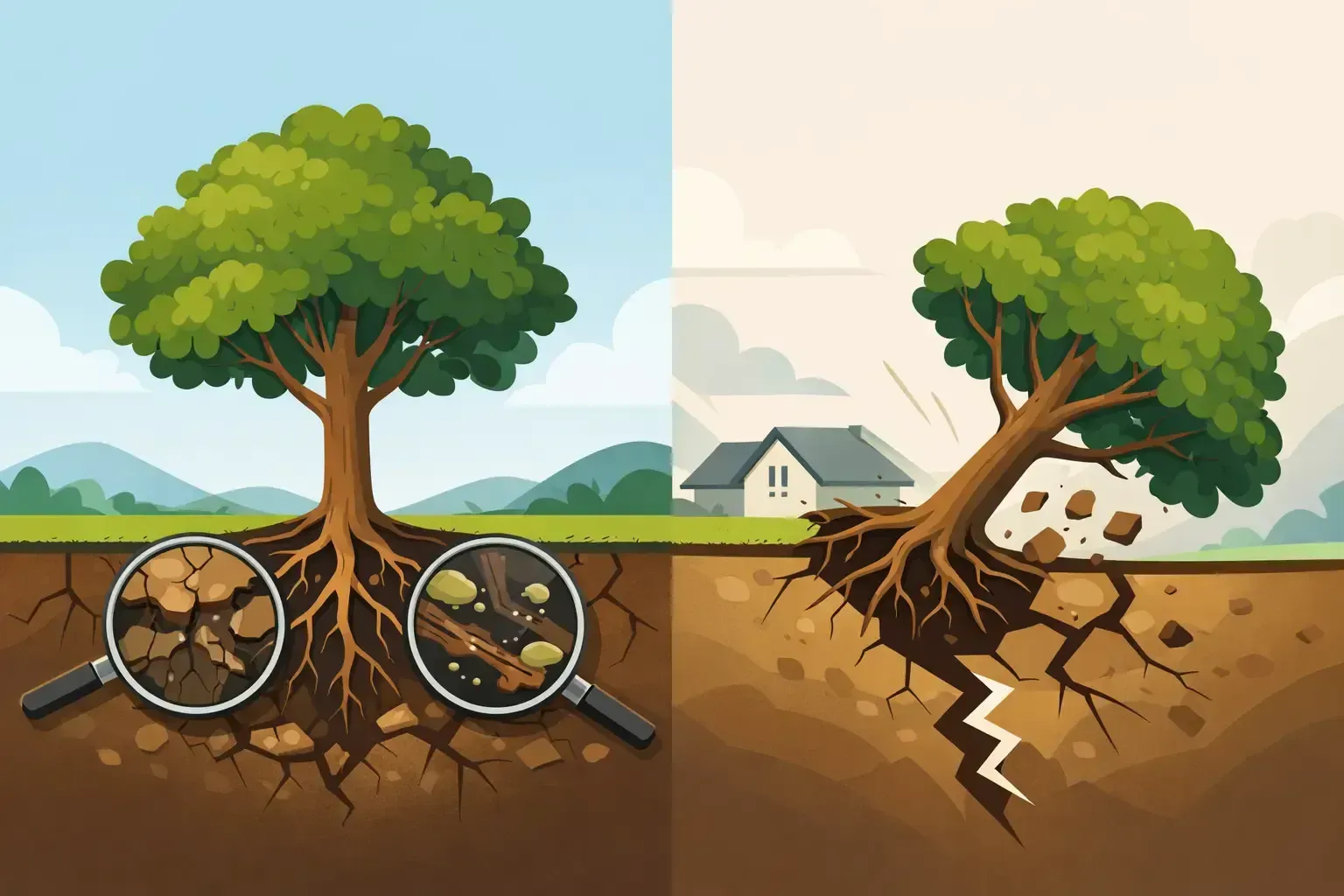
On large properties, cheap mistakes scale up fast. Over-pruning can stress healthy trees. Poor cuts can create future failure points. Heavy equipment used carelessly can tear up soil, roots, and pasture. In wildfire-prone areas, random clearing can leave dangerous ladder fuels in place while removing the wrong material.
The best tree service for large property jobs is rarely the lowest bid. It is the one that gives you clear scope, transparent pricing, competent supervision, and visible results that actually solve the problem. That does not mean the most expensive company automatically wins either. It means you are looking for value tied to planning, safety, and follow-through.
Signs a tree service can handle acreage, estates, and commercial grounds
Experience with big properties shows up in the questions a company asks. They want to know your priorities. Is your main concern fire safety, aesthetics, road clearance, storm recovery, tree health, tenant safety, or long-term maintenance? A serious team will build the project around those goals instead of pushing a one-size-fits-all package.
It also shows up in how they talk about logistics. Can they phase the work? Can they protect driveways, septic areas, irrigation, and sensitive root zones? Can they coordinate around residents, guests, livestock, or business operations? Big properties require sequencing, not guesswork.
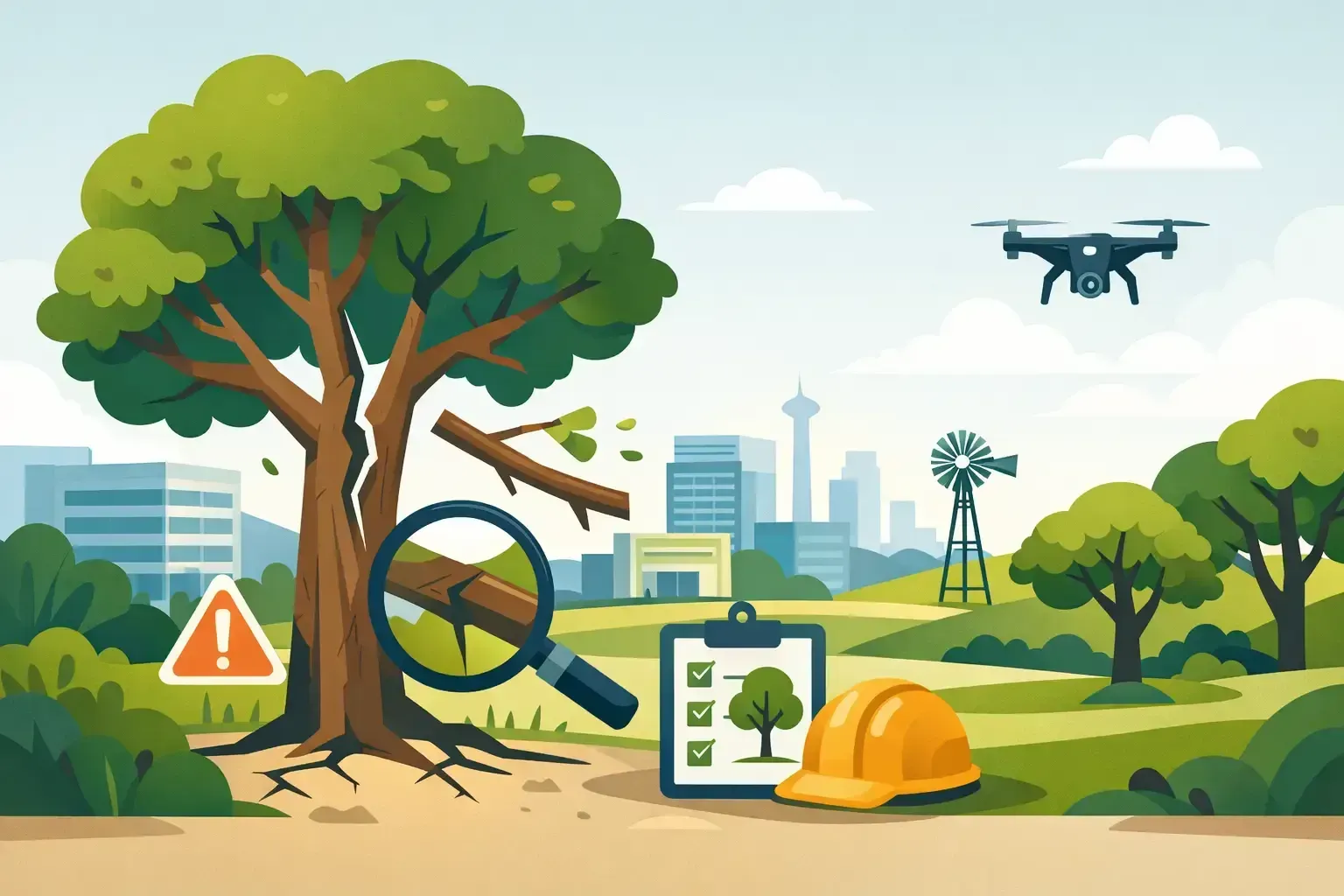
Credentials matter too, especially when mature trees and high-value landscapes are involved. ISA Certified Arborist knowledge is not marketing fluff when the job involves structural pruning, tree preservation, diagnosis, or risk assessment. A disciplined operator knows that fast work and skilled work are not opposites. The right crew can do both.
Communication is another big tell. You should know what is being done, why it is being done, what the site will look like after each phase, and how cleanup is handled. If the estimate is vague, the project often will be too.
Best tree service for large property and wildfire risk
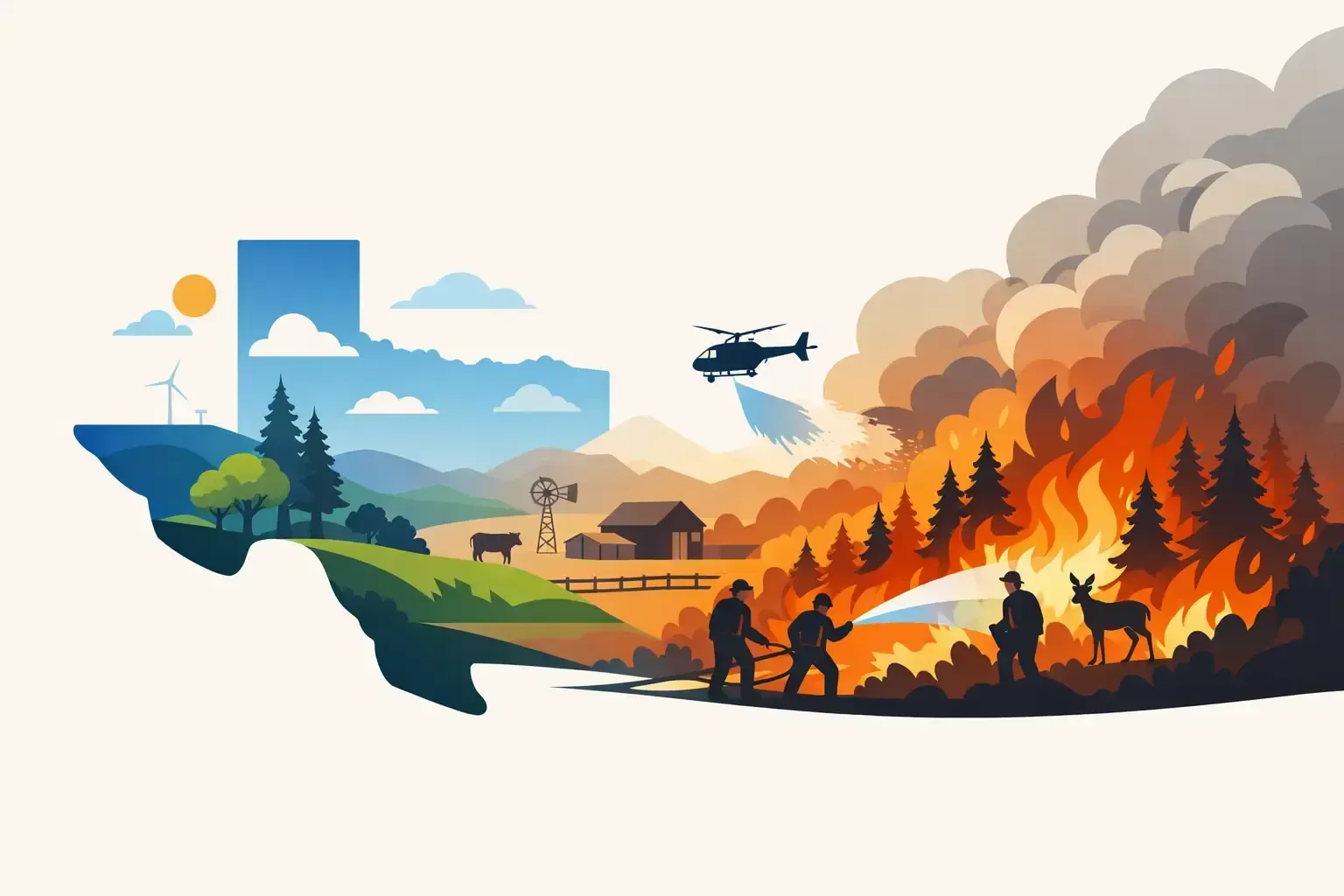
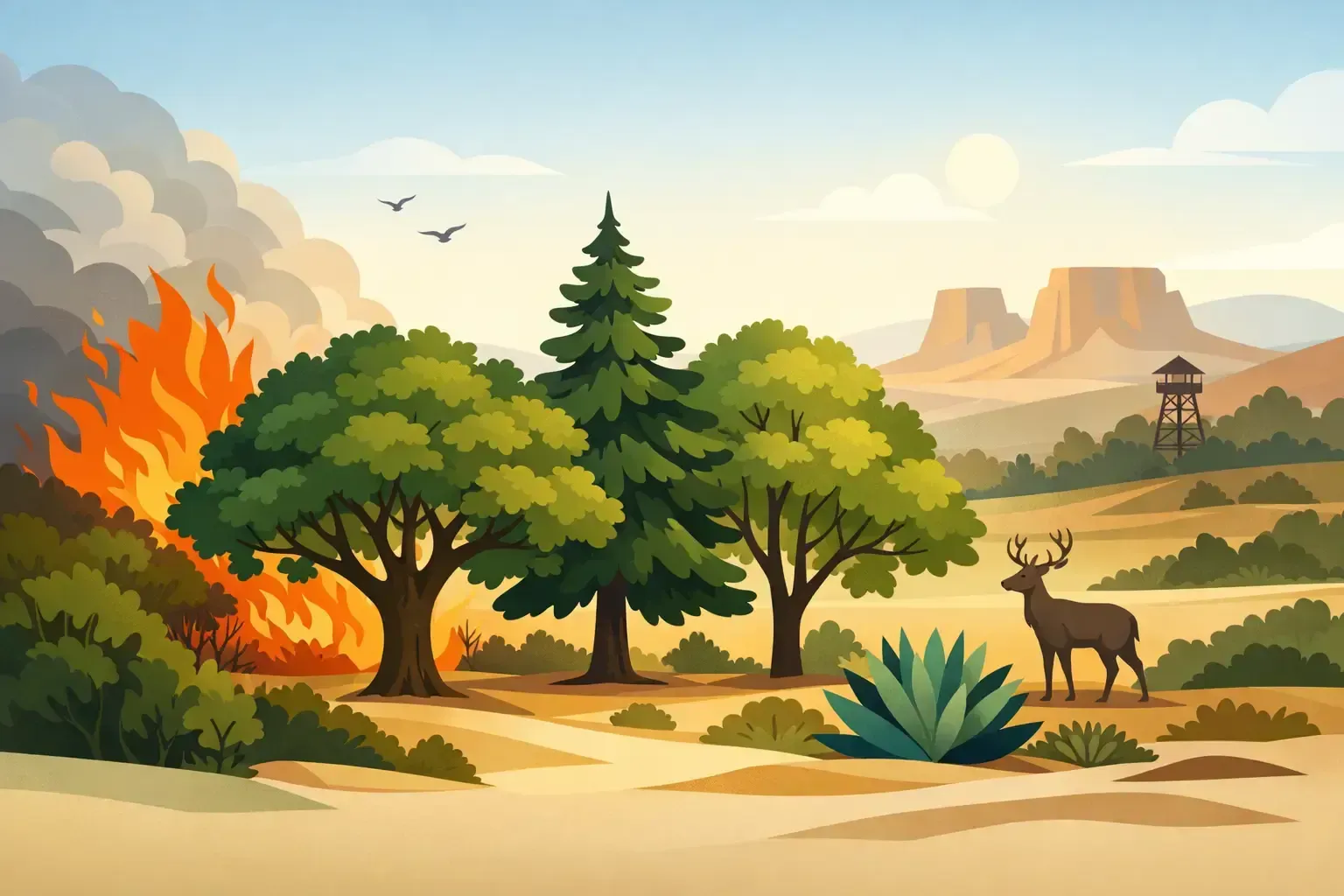
In Central Texas, this part deserves real attention. Large properties often collect the exact fuel patterns that help fire move - dead limbs, thick understory, crowded cedar, brush along fence lines, and low branches that create ladder fuels into the canopy.
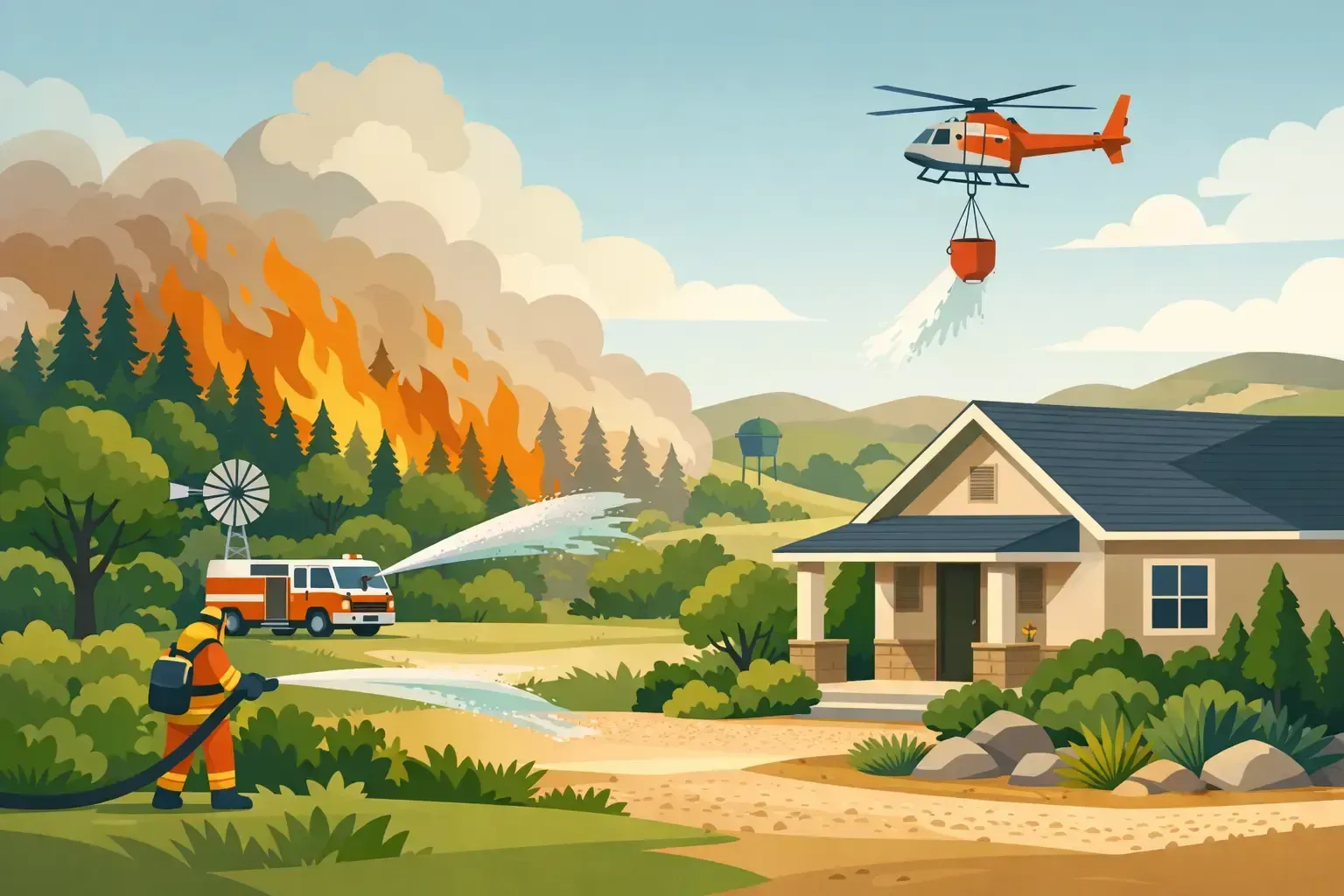
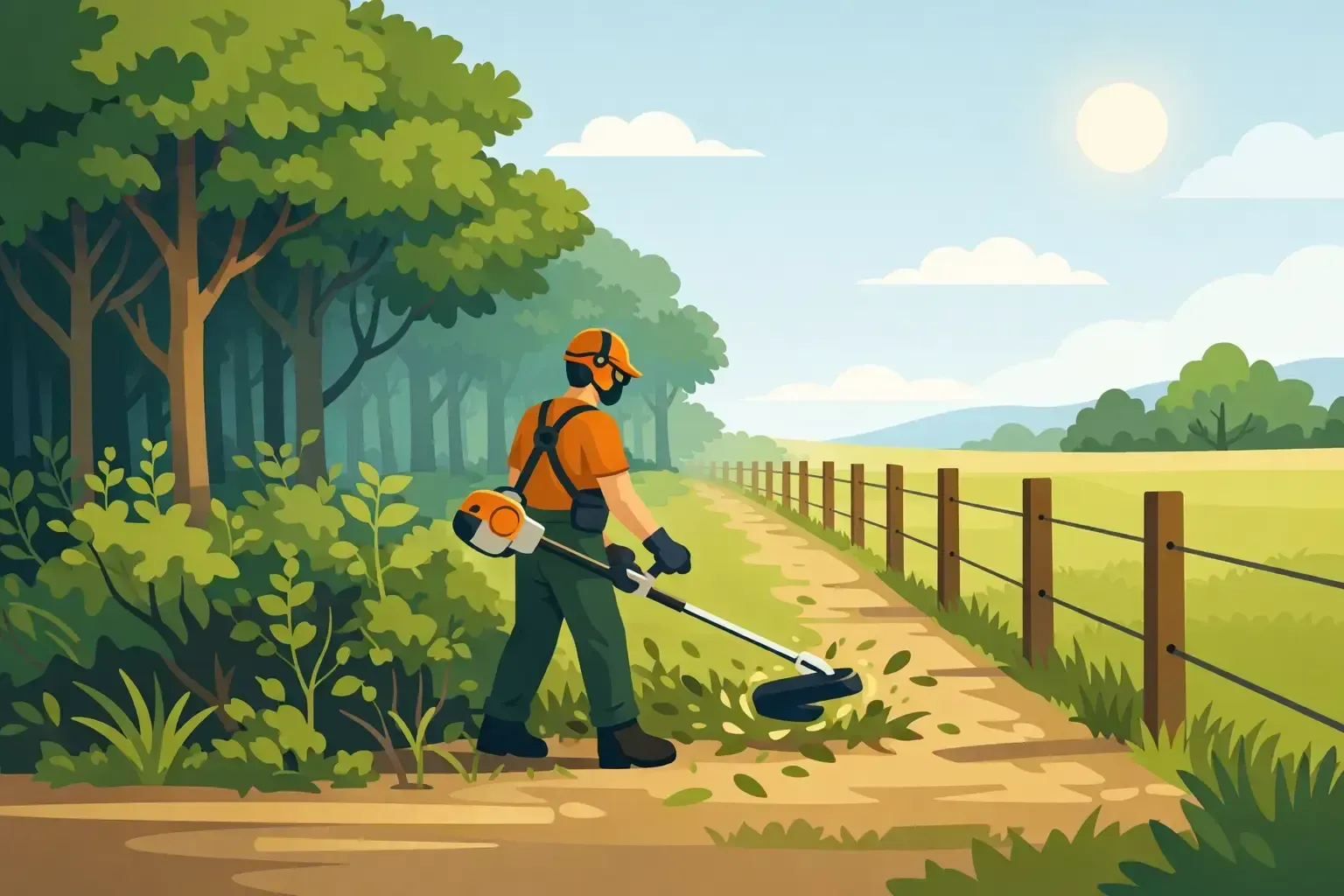
A good tree service does not treat wildfire mitigation like random clearing. The goal is strategic reduction. That means improving spacing, reducing combustible buildup, pruning where it lowers fire pathways, and keeping defensible areas around homes, barns, roads, and critical access points. Done right, the property looks cleaner, functions better, and is easier to maintain through dry seasons.
This is where engineering-minded planning matters. You do not need a crew that just works hard. You need one that knows where effort produces the best safety return. That is especially true on ranches, rural homesites, and large residential lots where vegetation density changes from one section of the property to another.
Equipment matters, but judgment matters more
People often ask about bucket trucks, chippers, loaders, and other equipment, and that is fair. Large-property work usually does require more capability than a pickup and a couple of saws. The right equipment improves speed, safety, and cleanup.
Still, equipment alone is not proof of quality. Plenty of property damage has been done with expensive machines. What matters is whether the crew knows when to use them, where to use them, and how to avoid tearing up the landscape while solving the problem.
The best operations pair capable equipment with restraint. They understand access routes. They account for soil conditions. They avoid unnecessary impact. They leave the place looking sharper, not rutted, scalped, and stressed.
What to ask before you hire
Start with scope. Ask what is included, what is not, and what may change once the crew is on site. Ask how they decide what to remove, what to prune, and what to preserve. If wildfire reduction is part of the job, ask how they prioritize treatment zones.
Ask about cleanup standards too. On a large property, "cleanup included" can mean anything from haul-off to neatly stacked brush to rough debris relocation. Clarity here prevents headaches later.
Then ask who is supervising the work. Large projects need leadership on site, not just labor. If a company communicates well during the estimate and gets foggy when you ask operational questions, pay attention.
Finally, ask whether they see this as a one-time project or the start of a maintenance plan. That answer tells you a lot. The best tree service for large property owners usually thinks beyond today. Trees grow, storms hit, and land changes. Ongoing care often protects your investment better than emergency spending after things get out of hand.
Why long-term maintenance usually beats crisis management
Most large properties do not need constant major work. They need consistent, intentional attention. That may mean periodic trimming, selective thinning, deadwood removal, brush reduction, arborcare, and check-ins after storms or drought stress.
This approach usually costs less over time because you are controlling problems early. It also protects curb appeal, access, and tree health in a way that panic-driven cleanup never can. For commercial properties and managed communities, it helps with resident confidence and liability reduction too.
For homeowners and ranch owners, there is also the quality-of-life factor. A well-managed property feels lighter. Safer. Easier to use. Roads stay open, views improve, trees perform better, and you stop worrying every time the wind picks up.
That is one reason companies like Dynamo Dustys Tree Service have earned trust with acreage owners and large-property clients. People want strong crews, yes, but they also want clear communication, disciplined execution, and work that looks intentional when the sawdust settles.
The best choice depends on your property goals
There is no single perfect company for every large property. A heavily wooded homesite, a ranch, a commercial campus, and an HOA common area all have different priorities. Some projects lean toward arboricultural precision. Others are more about access, thinning, and fuel reduction. Many need both.
The right fit is the company that can handle scale without treating your property like a production line. They should be able to move fast when needed, especially after storms, but still make careful decisions about tree health, safety, and land use. They should respect your budget without pretending every property problem has a bargain-bin fix.
If you are comparing bids, trust your eye as much as the number on the page. Look for a team that sees the full property, explains the trade-offs, and gives you confidence that the job will be cleaner, safer, and more usable when they leave. On large land, that kind of professionalism is not a luxury. It is the difference between getting real improvement and paying twice for the same problem.
A good tree service cuts wood. A great one helps you take control of the land.