
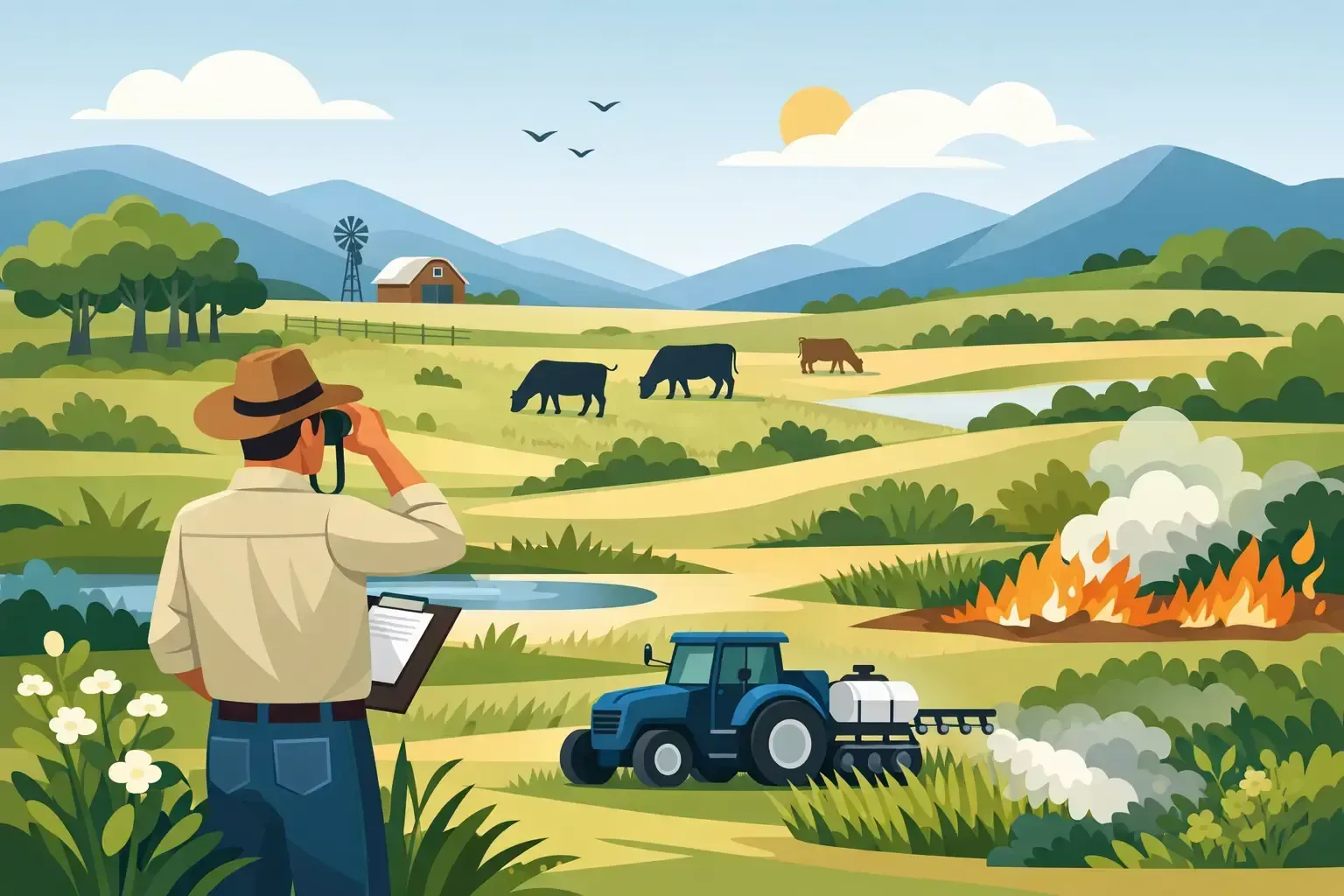
One ember can do more damage than a wall of flame. In Central Texas, that is the part too many property owners underestimate. A real guide to wildfire ready landscapes starts with that truth: your trees, brush, fencing, mulch, and even the way plants are spaced can either slow a fire down or give it a fast, ugly path to your home, barn, or commercial building.
The good news is that wildfire readiness does not mean stripping your property bare. It means building a landscape that is cleaner, better spaced, easier to defend, and still looks like it belongs in Texas. Done right, it improves safety, usability, and curb appeal at the same time.
What wildfire ready landscapes actually do
A wildfire ready landscape is designed to reduce fuel, break up fire pathways, and lower the chances that radiant heat or wind-driven embers turn a manageable threat into a full property loss. That matters in neighborhoods with dense tree cover, but it matters even more on rural acreage where unmanaged cedar, dead understory, and tall grasses can carry fire fast.
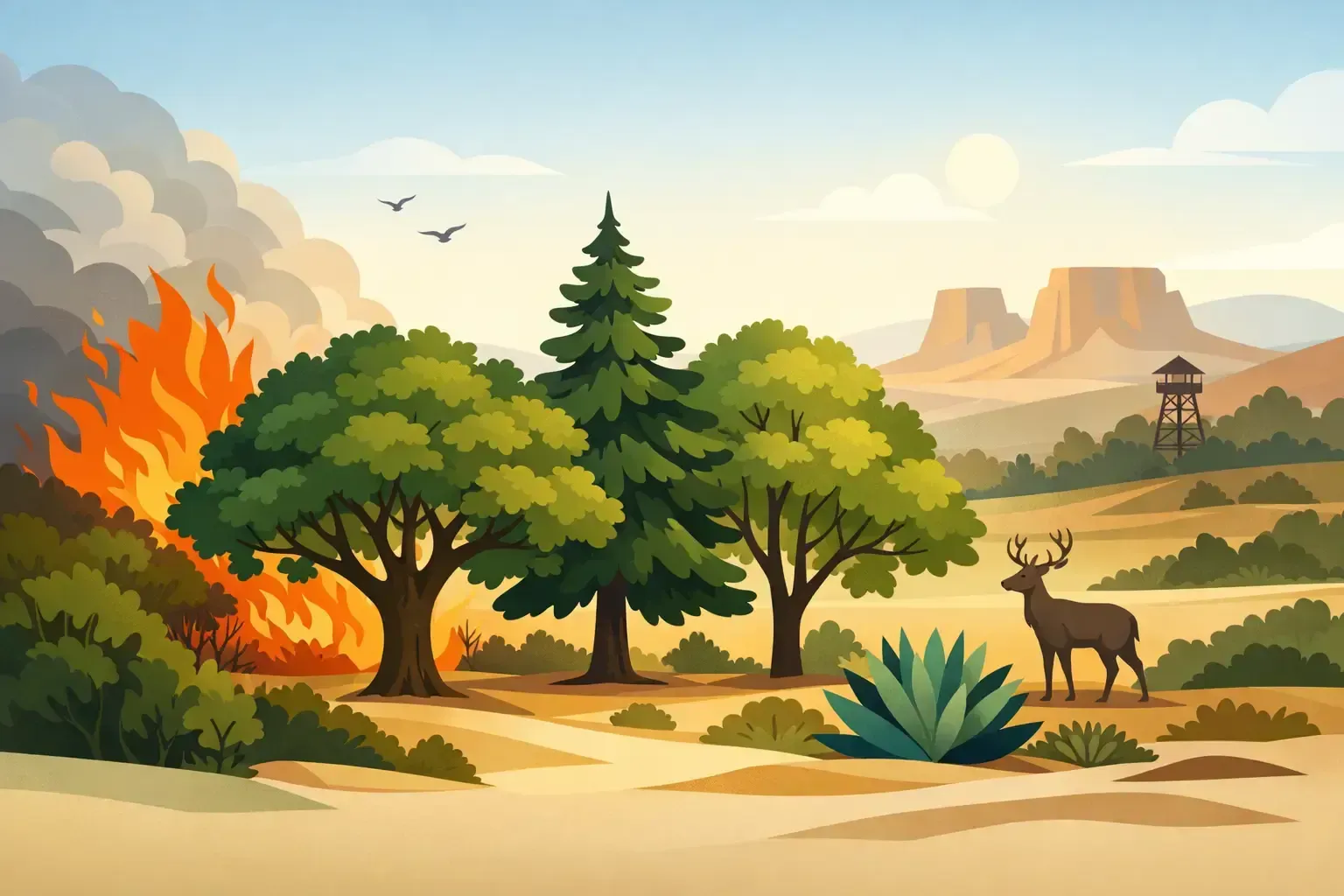
This is where many folks get bad advice. They hear "clear everything" from one person and "leave it natural" from another. The right answer is usually in the middle. You want enough vegetation for shade, soil stability, privacy, and beauty, but not so much that fire can move from grass to brush, brush to lower limbs, and lower limbs into the canopy.
That ladder effect is a big deal. Fire does not need a giant opening to gain momentum. It just needs connected fuel.
The first rule in this guide to wildfire ready landscapes
Start closest to the structure and work outward. The area around your house, guest house, shop, fence lines, and access drives deserves the most attention because that is where small improvements make the biggest difference.
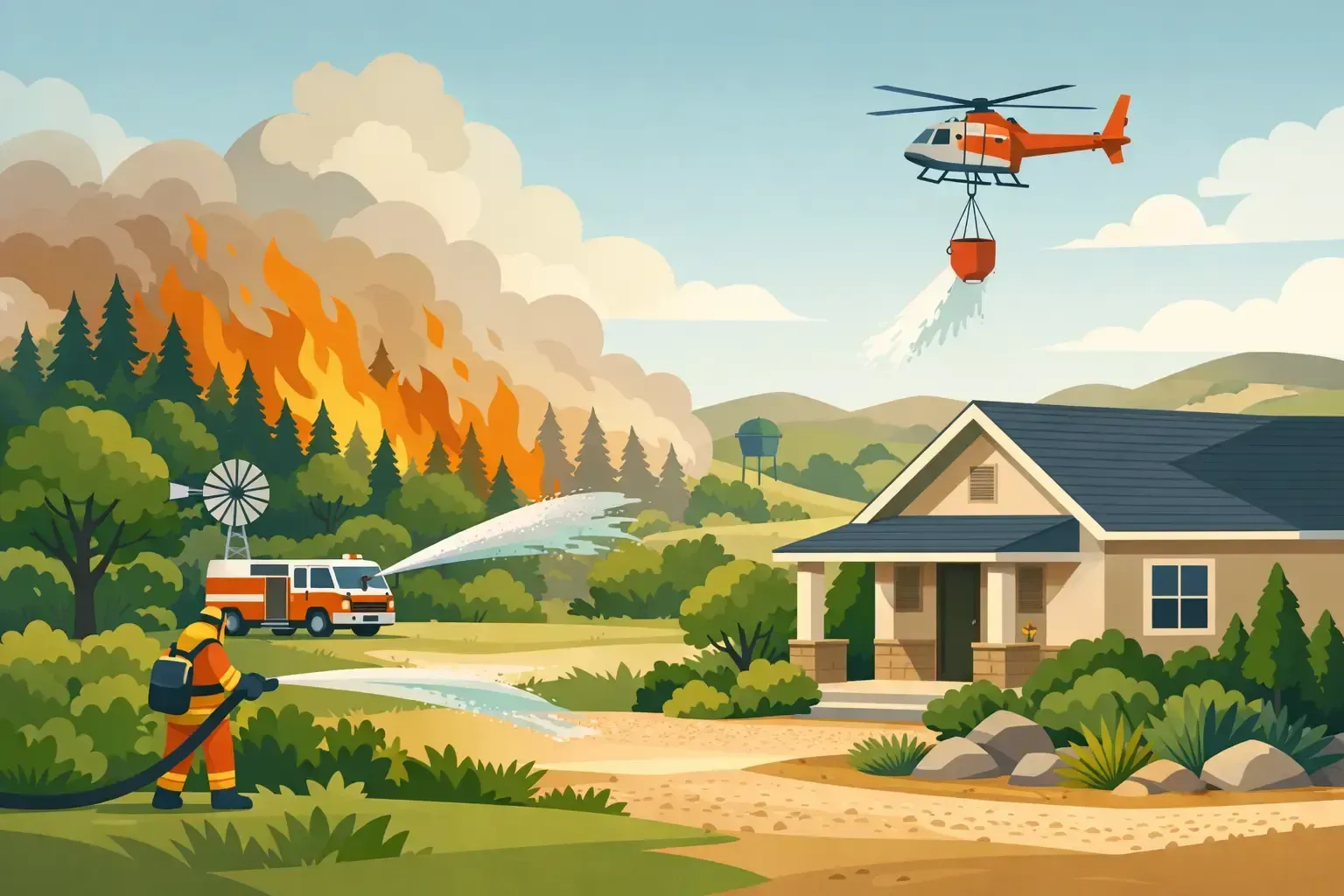
Think of your property in zones. The closest zone should be the cleanest and most controlled. That means removing dead leaves from rooflines and gutters, keeping limbs off the structure, limiting heavy fuel right against the building, and avoiding spots where debris collects and dries out. Decorative choices matter here too. Some mulches, stacked firewood, and overplanted foundation beds can quietly raise risk.
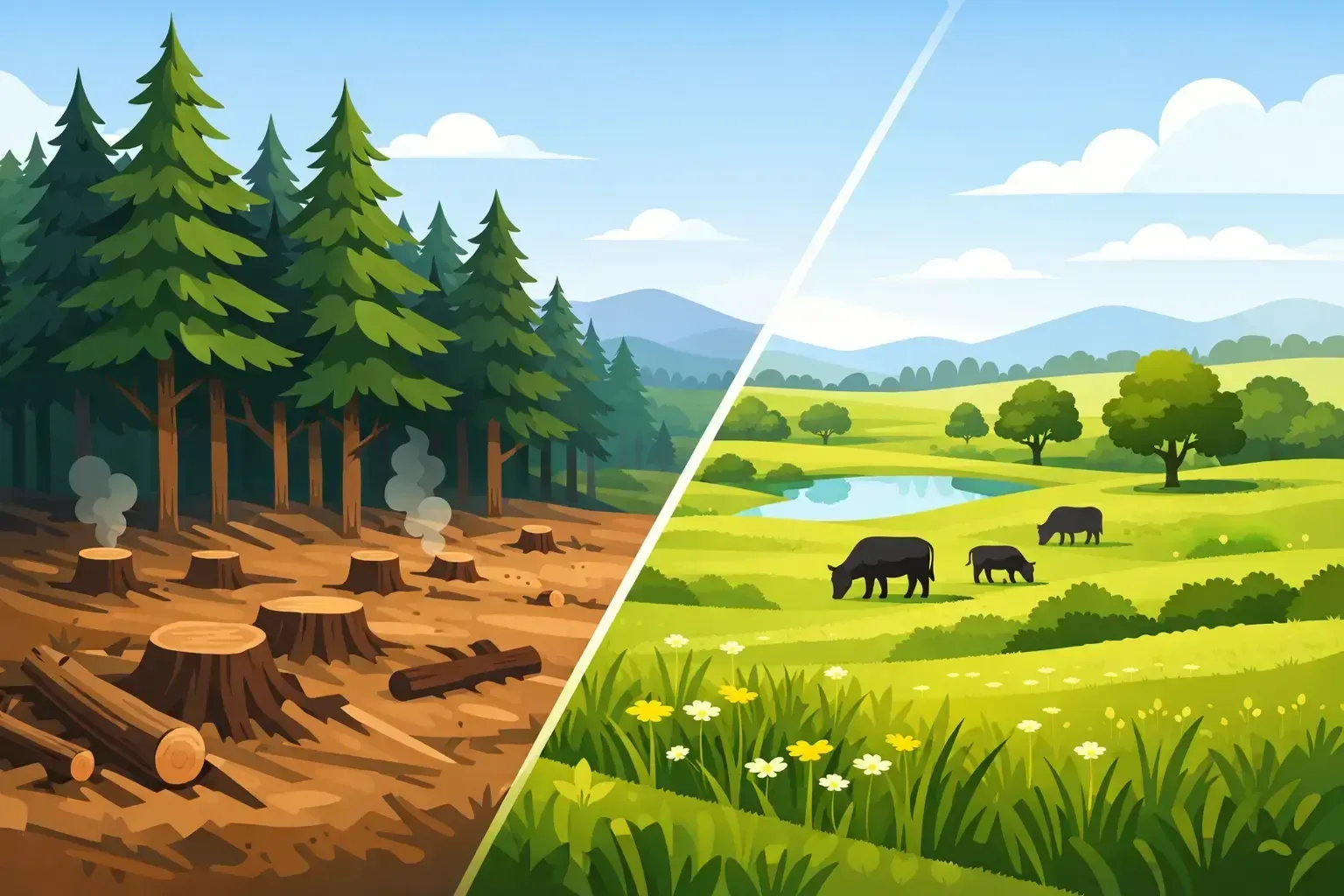
Farther out, the goal shifts from tight control to smart fuel management. You may not need a park-like finish across every acre, but you do need spacing, access, and less continuous brush. For larger properties, that often means selective thinning
instead of blanket clearing.
Trees are an asset, but they need discipline
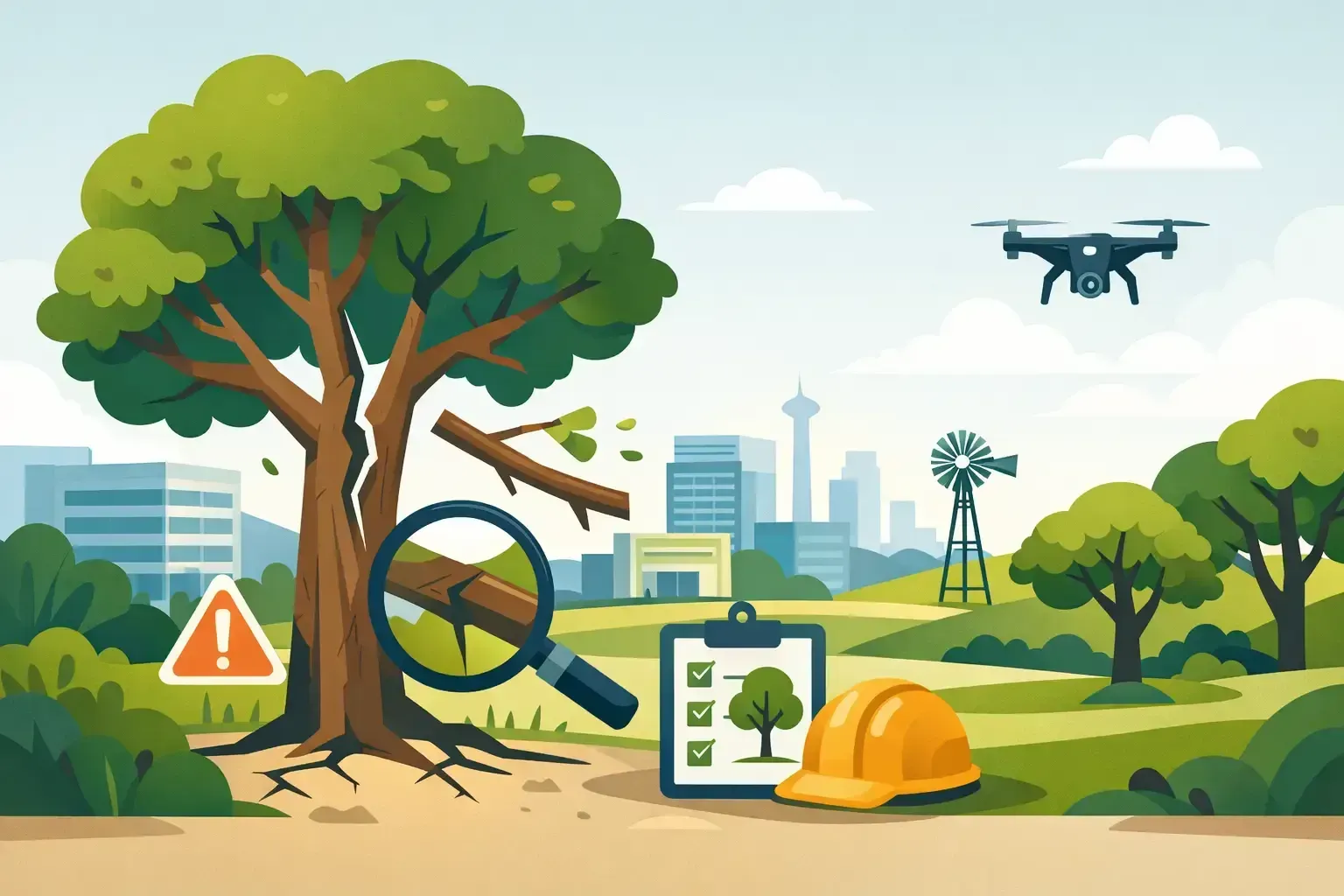
Mature trees can help a property during wildfire season by adding shade, reducing heat load, and creating a more comfortable microclimate. They can also become a problem if dead limbs, dense interior growth, and low branches are left unchecked.
Proper pruning
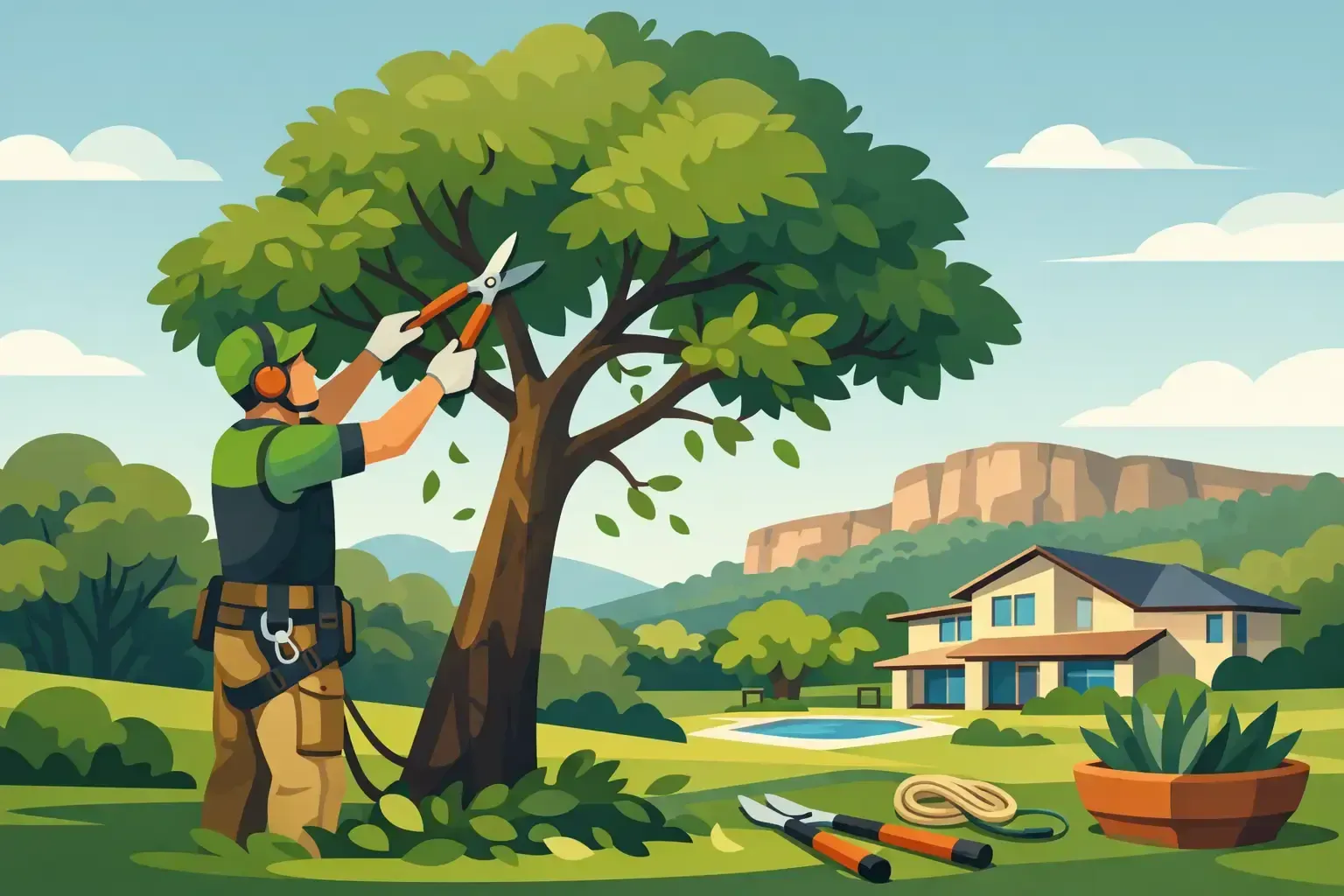
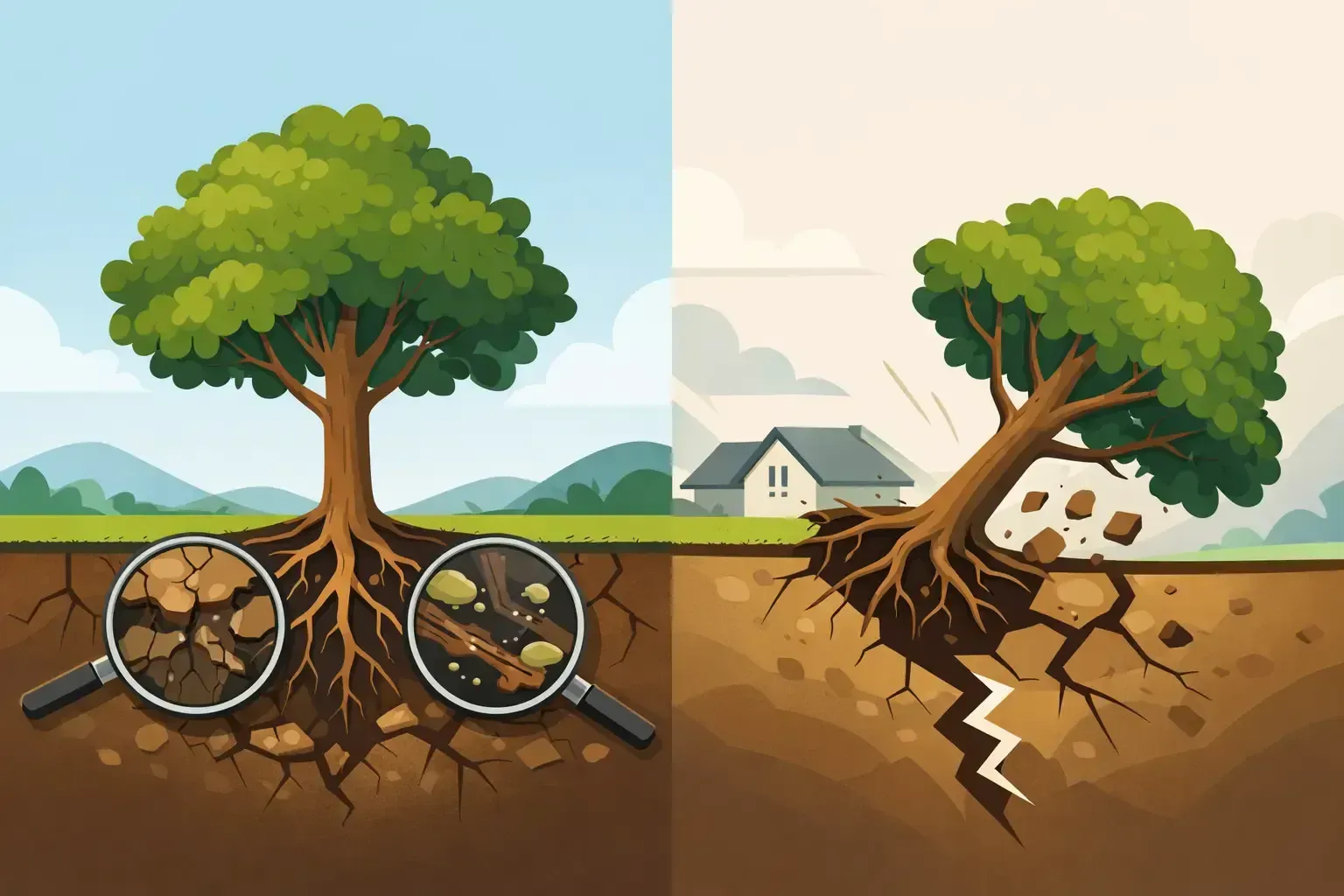
is not just about appearance. It raises canopy separation, reduces dead material, and helps limit the chance of surface fire moving upward. That said, over-pruning is a mistake. If a tree is cut too aggressively, it can become stressed, more vulnerable to decline, and in some cases more hazardous later.
It depends on species, age, structure, and site conditions. In Central Texas, cedar-heavy areas, mixed oak stands, and neglected fencelines all need different strategies. That is why wildfire mitigation should be handled with arboricultural judgment, not just a saw and a hurry-up attitude.
Spacing matters more than most people think
One of the simplest ways to improve a landscape is to create separation. Fire spreads faster when vegetation is packed tightly together, especially when there is a mix of dry grass, shrubs, and low tree limbs. Breaking that continuity slows the fire and gives responders a better chance to work.
That does not mean every tree should stand alone. It means clusters should have intention. Shrub masses should not run uninterrupted to the siding. Trees should not have crowded lower growth connecting to brush underneath. Along drives and access points, vegetation should be managed so emergency vehicles can move safely and quickly.
For ranch owners and larger landowners, this is where thinning projects can pull double duty. A well-planned thinning job can improve visibility, grazing access, road function, and wildfire readiness in one move. It can also make the land look sharper instead of hacked up.
Ground fuels are often the real problem
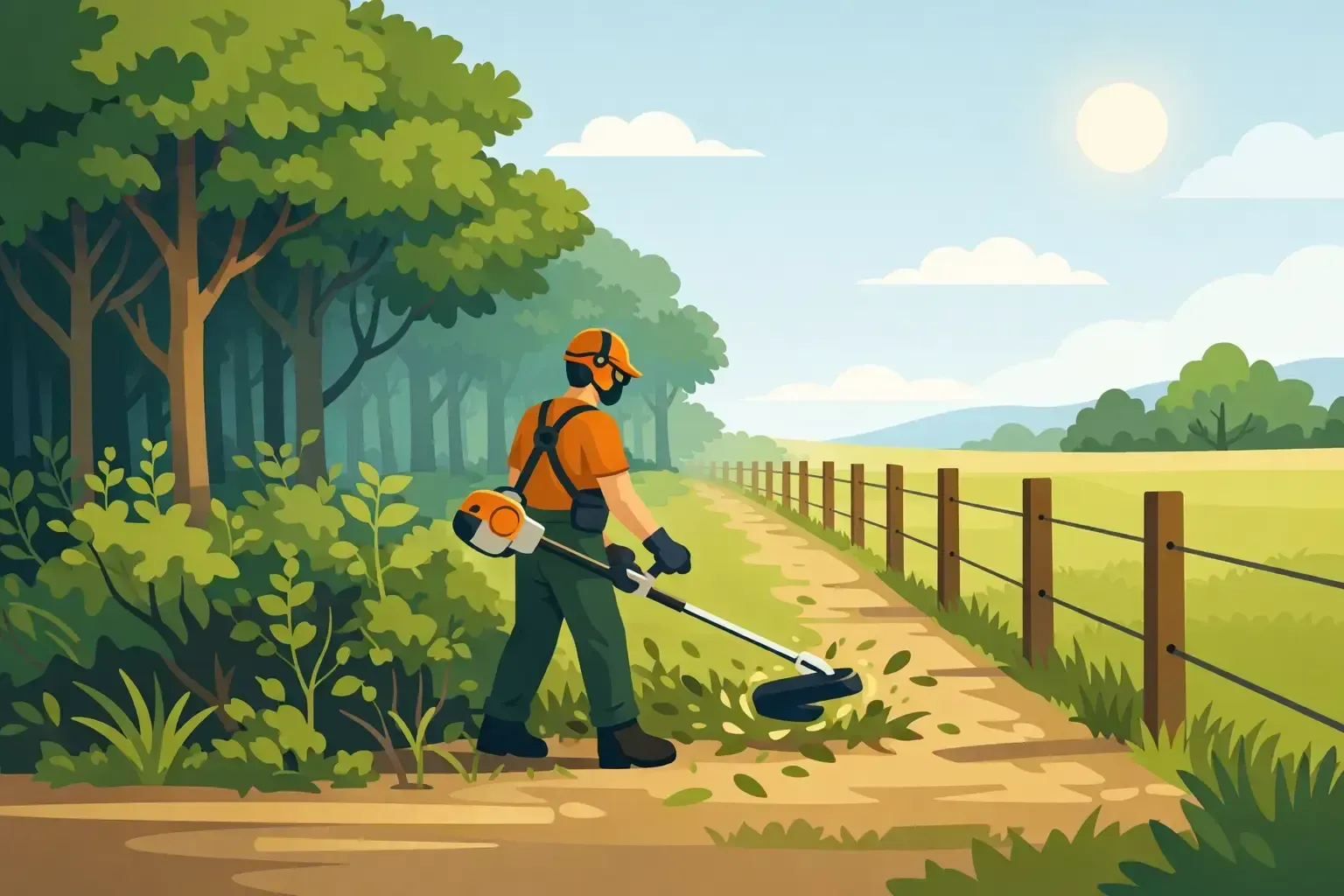
People naturally look up at the trees, but a lot of wildfire risk starts lower. Dry grass, leaf litter, brush piles, downed limbs, and unmanaged volunteer growth create the kindling that lets a small ignition point become a moving fire.
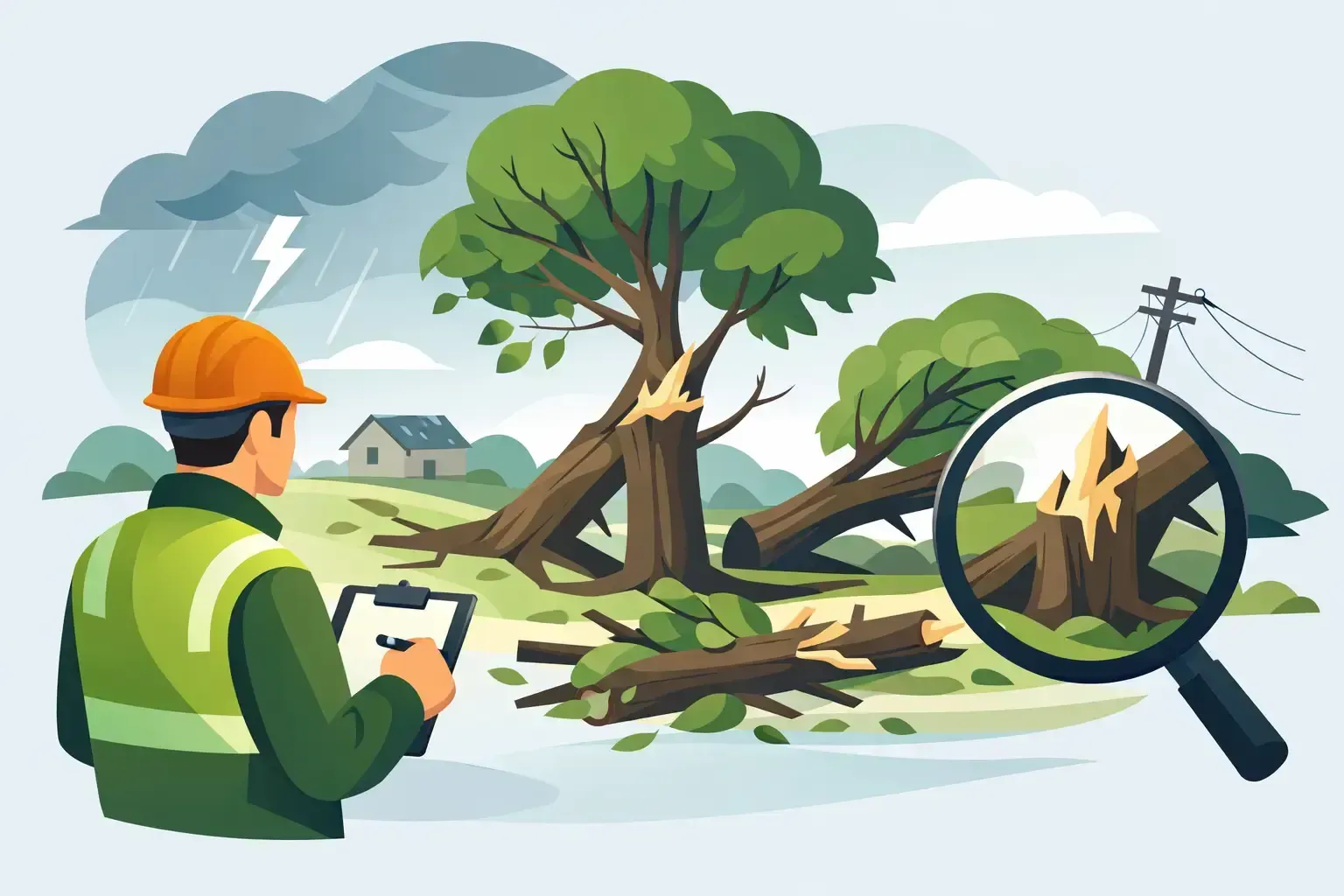
Seasonal cleanup matters. So does routine maintenance. If you only address fuels after a storm or at the peak of drought, you are already behind. A property that stays reasonably clean year-round is far easier to defend than one that gets a last-minute panic cleanup.
Brush piles deserve special attention. They are common on rural and semi-rural properties, and they are often left in exactly the wrong place - near tree lines, fences, outbuildings, or structures. If material is being cut, there should be a plan to remove, process, or manage it instead of leaving a future ignition source behind.
Hardscape, access, and layout deserve a seat at the table
A wildfire ready landscape is not only about plants. The layout of the property matters too. Gravel paths, maintained driveways, open turnaround areas, and clean fence lines can all help reduce fire spread and improve access.
If a fire crew cannot get where they need to go, your beautiful landscape plan is not doing enough. Gates need to open cleanly. Drives need vertical and horizontal clearance. Address markers need to be visible. These details are not glamorous, but they matter when time gets short and conditions get rough.
The same goes for outbuildings, propane tanks, and wood storage. They should be positioned and maintained with heat exposure and ember risk in mind. A lot of losses happen because one vulnerable feature was overlooked.
The best guide to wildfire ready landscapes is site-specific
This is where online advice starts to wobble. General wildfire tips are useful, but they cannot see your slope, your tree density, your drainage pattern, your building materials, or the way wind moves across your lot.
A shaded residential lot in Dripping Springs needs a different approach than open acreage near Blanco. A commercial property with public-facing landscaping has different priorities than a ranch road lined with cedar. HOA common areas, MUD corridors, and larger managed properties also come with visibility, liability, and budget considerations that affect what is realistic.
That is why professional assessment matters. You want someone who can look at the whole system - trees, brush, spacing, access, structure proximity, maintenance burden, and long-term health - not just someone focused on cutting volume.
At Dynamo Dusty's Tree Service, wildfire mitigation work is approached that way: with certified arboricultural standards, field-tested judgment, and a plan that aims for visible results without unnecessary guesswork.
Common mistakes that raise wildfire risk
The biggest mistake is waiting until the hottest, driest stretch of the year to think about fuels. The second is assuming any clearing is good clearing. Poorly planned work can leave stressed trees, ugly results, erosion issues, and a landscape that still carries fire.
Another common problem is focusing only on one hazard. A homeowner trims limbs off the roof but ignores the brush under the oaks. A ranch owner clears a pasture edge but leaves dead material stacked behind the barn. A property manager improves appearance near the entrance and misses the dense fuel along the back perimeter.
Wildfire readiness works best when the property is treated as a connected system. The goal is not perfection. The goal is fewer opportunities for fire to build momentum.
What to do next if your property feels overdue
Start with an honest walk of the property. Look for dead material, overgrown fence lines, heavy understory, low limbs, blocked access, and any place where vegetation touches or crowds a structure. If you can imagine fire moving through it without much resistance, that area needs attention.
Then prioritize the work that protects life and structures first. After that, improve access, reduce connected fuels, and make a maintenance plan you can actually keep up with. The best wildfire-ready properties are rarely the ones with one giant cleanup. They are the ones that stay consistently managed.
If your land has been neglected for a while, do not let that stop you. Every smart improvement changes the equation. A cleaner, better-spaced, professionally managed landscape is easier to live with, easier to maintain, and a whole lot harder for wildfire to push through.
A good property should look strong, work hard, and be ready when conditions turn rough. That is the standard worth building toward.